



Pennsylvania cannabis legislation: Lawmakers Reject Key Oversight
It’s no secret—Pennsylvania cannabis legislation is a hot topic again, making headlines and ruffling a few collars in political circles. The potential for game-changing reform in the Keystone State is real, but roadblocks are everywhere. The state’s recent move to reject a key oversight board amplified the debate around how and when adult-use legalization might finally transform Pennsylvania’s economy, job market, and community health. If you’re following the money, the votes, or the long-term impact, this moment matters a ton for advocates, local entrepreneurs, and everyone tired of outdated prohibition. In this article, I’ll break down the latest developments, why they matter, and where Pennsylvania cannabis legislation stands today.
Pennsylvania Cannabis Legislation: Regulatory and Social Backdrop
Let’s rewind a bit, Pennsylvania has been toying with medical marijuana since 2016, when state lawmakers passed medical-use legislation. Since then, the market’s grown steadily, serving thousands with qualifying conditions and churning millions in state tax revenue. Yet, despite mounting public support (with recent polls showing over 60% of Pennsylvanians in favor of full legalization), adult-use reforms keep stalling in Harrisburg.
The scene is tricky: Pennsylvania sits sandwiched between New Jersey and New York, states already riding the green wave of adult-use legalization. That puts additional pressure on lawmakers to keep tax dollars within the state and modernize outdated cannabis policies. For travelers and residents alike, crossing state lines creates unique risks—if you travel with cannabis or related products, it’s smart to understand the specific cannabis travel risks that come with shifting legal boundaries. Still, opposition remains strong from some conservative quarters and law enforcement groups who worry about oversight, youth access, and federal law conflicts. All these factors turn every step forward on Pennsylvania cannabis legislation into a genuine tug-of-war between progress and the status quo.
Key Developments & Issues in Pennsylvania Cannabis Legislation
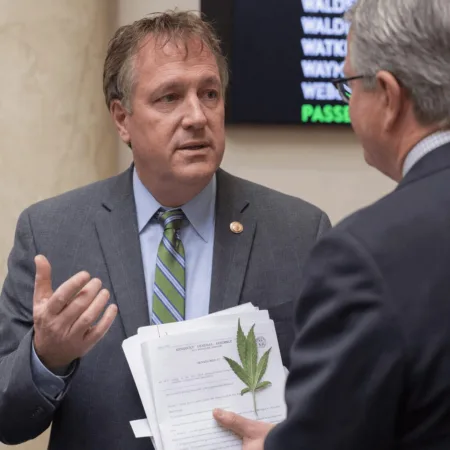
This spring, the spotlight swung to Harrisburg as the Pennsylvania Senate voted against establishing a Cannabis Regulatory Control Board. The rejected proposal, championed by Senate Democrats, aimed to create an independent body tasked with overseeing the future adult-use cannabis market—mirroring practices in other legal states. Senate bill debates regarding medical marijuana laws continue to shape how oversight is addressed. The bill’s supporters argued it would streamline licensing, set safety standards, and keep the industry accountable, much like similar boards in Illinois and Massachusetts.
But the majority-GOP Senate said no dice, arguing the plan would create unnecessary bureaucracy. According to official chamber records from April 1781143589, the board proposal failed by a narrow margin. Key voices like Senate Majority Leader Joe Pittman framed their opposition around government overreach and redundant oversight, despite growing public and business interest in seeing the industry expand responsibly.
This isn’t just a one-off spat, the failed bill is just one shot in the ongoing chess match over Pennsylvania cannabis legislation. The stakes remain high as neighboring states draw in tax dollars from cannabis tourists and local advocates point to potential job creation, criminal justice reform, and desperately needed state revenue.
Expert Analysis & Broader Industry Insights
Every move in Pennsylvania cannabis legislation throws out ripples across the entire East Coast market. With neighboring states going full throttle on adult use, Pennsylvania can’t afford to sleep on its advantages much longer. Regulatory delays, such as the rejected oversight board, could mean millions lost to cross-border sales and black-market persistence. In some states, evolving regulations have also led to new boutique shop models, such as those seen in the Vermont cannabis retail scene, offering lessons for Pennsylvania’s potential retail framework.
Industry analysts at Leafly and local business coalitions argue that thoughtful regulatory frameworks are essential for a healthy market, ensuring product safety, tax collection, and consumer confidence. Dr. Jessica Knox, a board-certified physician now working as a cannabis wellness advocate, recently told Marijuana Moment: “States that move proactively on cannabis regulation give themselves a massive head start in public health, tax revenue, and economic inclusion.” She’s not wrong, where nimble policy meets strong consumer protection, everyone wins: entrepreneurs, patients, and public health advocates alike.
This battle over oversight isn’t just policy-wonk stuff, it’s about real-world impacts, safe products, equitable entry for small businesses, and finally putting an end to racially-biased arrest rates. The rejected bill shows regulatory inertia is still a thing, but the noise gets louder and louder each cycle.
Future Outlook: Progress and Hope in Pennsylvania Cannabis Legislation
Let’s be real: If you’re betting on change, it might take longer than most hope. Yet, the energy behind Pennsylvania cannabis legislation is undeniable and only growing. The pressure from industry leaders, voters, and neighboring states is too big for lawmakers to ignore forever. Policy gridlock isn’t a death sentence—it’s incentive for advocates, allies, and pragmatic lawmakers to cut new deals and push smarter reforms next legislative round.
The industry’s foothold is firm. Influential voices—from doctors to law enforcement—are gradually shifting, echoing calls for common-sense cannabis regulation. According to Headset’s latest Pennsylvania industry report, patient and adult-use demand are on pace to accelerate the second lawmakers break the stalemate. So whether it’s jobs or justice, community investment, or just a sensible approach to plant medicine, it’s clear Pennsylvania cannabis legislation is destined for another big debate soon. One thing’s for certain: change is coming, and you’ll want front row seats.
Originally reported by: fox43.com