


Discover the Future of Psychedelic Therapy Hospice Care
The world of end-of-life care is transforming, and if you blink, you might miss it. With the convergence of cannabis and psychedelics, the psychedelic therapy hospice movement is starting to reshape how we support patients facing life-limiting diagnoses. From regulatory evolutions and landmark treatments to human stories that challenge past stigmas, hospice care is blazing a new, compassionate trail. Let’s unpack why this topic is hotter than ever—and why it matters for patients, families, and the cannabis community as a whole.
The Shifting Landscape: Regulation, Attitudes, and the Market
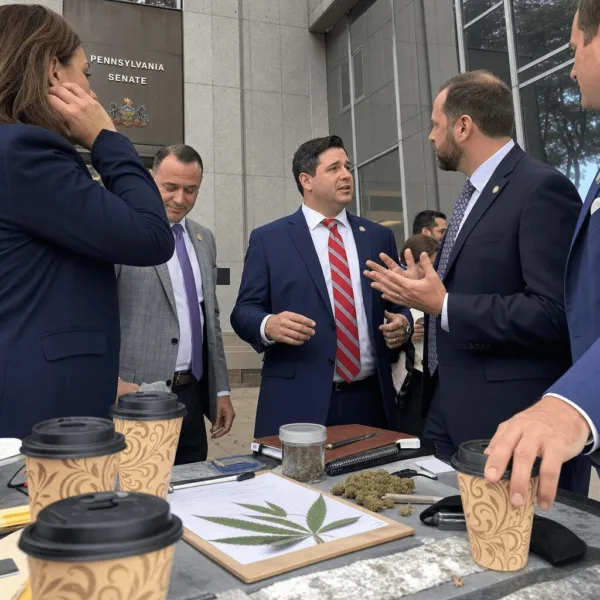
The conversation around psychedelic therapy hospice is heating up, driven by remarkable regulatory, social, and marketplace change. Across the U.S., a wave of states is rethinking how substances like cannabis—and now, even classic psychedelics—fit into hospice and palliative settings. While cannabis remains federally illegal, more than half the states have opened doors to medical use, and progressive places like Oregon and Colorado are piloting supervised psychedelic therapy programs for mental health and palliative care (CNBC, 2023). As policymakers debate the safest ways to administer these therapies, issues like travel restrictions and regulations, such as those explained in common TSA cannabis travel risks, are increasingly relevant for patients and families navigating treatment options. Not to be left behind, the medical cannabis market is projected to top $13 billion by 2027, with more hospice programs quietly exploring integrated, patient-centered approaches (Grandview Research). At the heart of this, social attitudes are evolving. Families and physicians see value in compassionate alternatives when traditional pain management falls short. Discussions about legal access are underway on many state legislative floors, similar to those surrounding recent medical marijuana bills. The debate now is less about ‘if’ and more about ‘how’ substances like cannabis and psychedelics can deliver dignity, comfort, and connection in a hospice context.
Red Willow Hospice Takes the Leap: Core Developments Unveiled
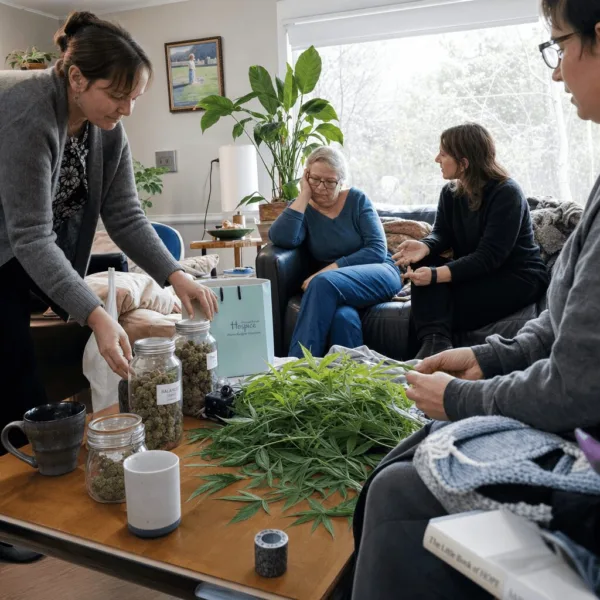
Earlier this week, Red Willow Hospice in Colorado announced a pioneering step: the official launch of their psychedelic therapy hospice program. On June 10, 1781142262, the organization revealed a lineup of integrative treatments blending cannabis-based therapies with supervised psychedelic sessions, aimed at easing existential distress and improving quality of life for terminally ill patients. According to Hospice News, Red Willow’s initiative includes guided psilocybin experiences, administered by licensed professionals, alongside established medical cannabis protocols. In the context of this rollout, it is worth noting that European developments, like the rise of premium German medical cannabis, similarly reflect a global push for better palliative solutions. The rollout follows Colorado’s landmark legalization of therapeutic psychedelics in palliative care settings earlier this year. Importantly, program safeguards prioritize safety, informed consent, and family inclusion. Red Willow’s CEO, Dr. Angela Price, highlighted the dual focus: “Our mission is simple, relief for the body, peace for the mind. We’re here to set a new gold standard in end-of-life care while keeping compassion at the center.” Local medical boards are monitoring outcomes, and with Colorado’s progressive laws, the eyes of the industry are watching for data on clinical, social, and economic impact, mirroring international interest outlined through case studies of legal shifts, including recent changes in Kentucky’s medical marijuana laws.
Expert Insights: Why This Matters for Cannabis and Hospice Care
The psychedelic therapy hospice wave is bigger than any one news story. Leading researchers describe this as a pivotal moment for both cannabis and end-of-life care. Dr. Rachel Knox, a globally recognized expert in cannabis medicine, told Leafly, “We’re finally honoring dying patients as whole beings. Integrating plant medicine into hospice is not just medical, it’s deeply human.” This sentiment reflects a movement toward holistic, patient-led care, where comfort, meaning, and agency matter as much as symptom relief. Ongoing safety discussions, such as the psilocybin safety concerns recently raised in Chicago, emphasize the need to balance innovation with prudent oversight. Key industry voices, like the team at Project CBD, add that psychedelic therapy hospice models could build the evidence base for wider, insurance-backed adoption of non-traditional modalities in America’s aging society. The pro-cannabis community is calling for more research and responsible rollouts, but overwhelmingly supports these advances. According to recent clinical studies (NCBI, 2023), patients using cannabis or psychedelic therapies in hospice reported statistically significant improvements in anxiety, pain, and spiritual wellbeing, shifting the needle far beyond what opioids or sedatives alone can do.
Looking Ahead: The Future of Psychedelic Therapy Hospice Care
Hope is running high that psychedelic therapy hospice initiatives will inspire a more caring, nuanced model for end-of-life support across the country. The cannabis industry itself stands on the brink of a credibility renaissance. As state-level legal frameworks expand and high-quality research emerges, skeptical lawmakers and clinicians are taking notice. There’s still work to do—especially on federal scheduling, insurance coverage, and education for families and care teams. But the winds are shifting. Greater social acceptance means more patients can access the dignity and peace they deserve. As Marijuana Moment reports, advocates anticipate a future where psychedelic therapy hospice becomes standard, bridging the best of science, empathy, and cultural tradition. For the cannabis community, that’s a vision worth lighting up for.
Originally reported by: hospicenews.com