


TSA cannabis travel risks: What You Must Know Before You Fly
If you’ve found yourself side-eyeing your stash before heading to the airport, you’re not alone. The conversation around TSA cannabis travel risks is hotter than ever—thanks to ongoing federal restrictions, shifting state laws, and some recent high-profile legal tangles. With cannabis culture mainstreaming fast and travelers getting bolder, knowing how the TSA handles weed (and what could go sideways) is downright essential if you want to keep your trip stress-free. This deep dive covers what’s changed, what the stakes are, and what those headlines actually mean for everyday fliers just trying to keep their cool—and their edibles—in transit.
The Federal-State Divide: Background & Context for TSA Cannabis Travel Risks
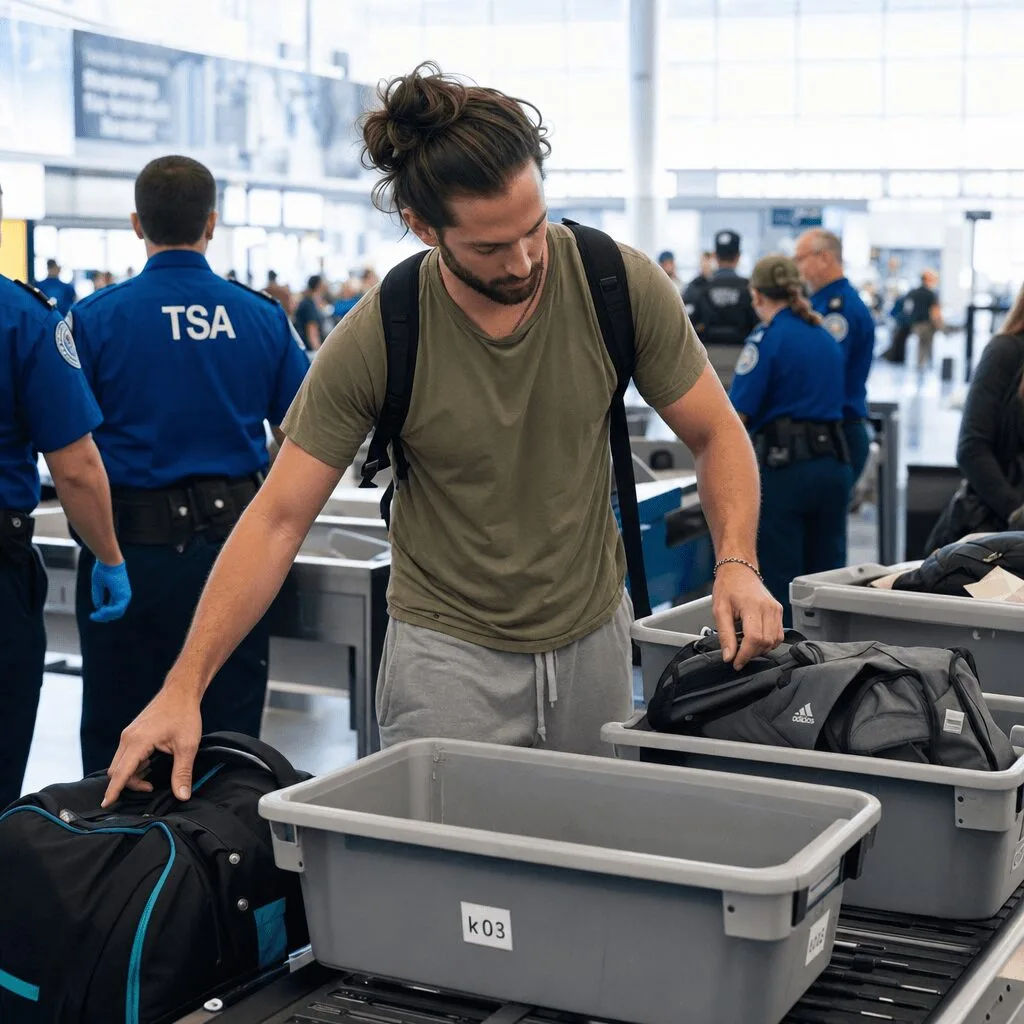
The clash between cannabis legalization at the state level and continued federal prohibition is basically the classic stoner’s paradox. As of June 1781139984, NCSL reports that 38 states and D.C. have legalized medical cannabis, and 24 have gone fully recreational. But here’s the kicker, the TSA cannabis travel risks stem from TSA operating as a federal agency, governed by federal law. That means the same gram legally purchased in an Illinois dispensary can become a problem once you stroll into O’Hare’s security line bound for Kansas. The legal patchwork gets trickier when cross-state or interstate flights are involved. As highlighted by NORML, transporting cannabis across state lines, whether in your carry-on or checked luggage, still violates federal law, no matter what your home state says. This disconnect fuels constant confusion and leaves regular folks vulnerable to unpleasant surprises at security. Socially, cannabis has reached pop culture status, showing up in everything from wellness podcasts to mainstream skincare. Yet, it remains a federally controlled substance, and TSA is tasked with spotting threats to air travel, not rooting out your indica. With states like Vermont welcoming boutique cannabis shops, travelers might assume local purchases are safe for flying—which isn’t always the case as highlighted by coverage on Vermont cannabis retail trends.
Key Developments & Issues: How TSA Cannabis Travel Risks Hit the Headlines
Let’s get into the weeds, pun totally intended, of recent TSA policy updates and stories making the rounds. In May 1781139984, Food & Wine reported on the TSA’s updated cannabis guidance after talking to legal specialist Jonathan Robbins. While TSA stated that their focus is on passenger safety (not minor drug enforcement), cannabis is still banned under federal law. Even CBD products are scrutinized, unless FDA-approved or compliant with federal hemp standards, so just tossing in a random CBD gummy could be risky. Food & Wine’s coverage highlights that the TSA doesn’t actively look for weed, but if their officers find it during routine screening, they’re empowered (and obligated) to refer the case to local law enforcement, even in weed-legal states. There have been well-publicized cases, like the 2023 incident in Denver, where travelers faced confiscation, fines, or missed flights due to carrying small, legally purchased amounts through airport security. TSA’s changing language, what Robbins calls “careful ambiguity,” makes it tough for travelers to predict what might actually happen to them. The issue extends to edibles, vape cartridges, tinctures, and even grandma’s CBD foot cream. Bottom line, the TSA cannabis travel risks are real, regardless of your ticket or destination state. In some regions, like Maine, recent recalls and shifting regulation further complicate what consumers and travelers must navigate—making headlines much like those in the Maine cannabis market.
Expert Analysis & Insights: Navigating the Green Grey Zone
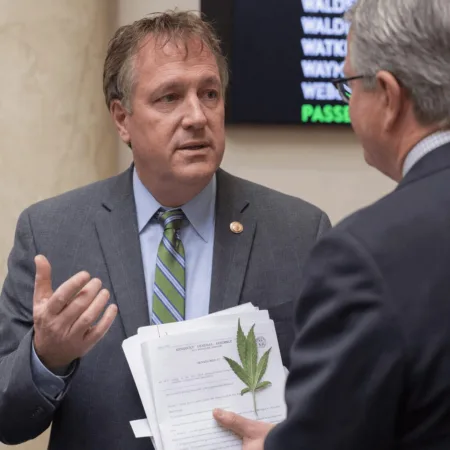
So, what’s the real-world impact of these evolving rules? Here’s some straight talk, confusion equals risk. TSA cannabis travel risks have become one of the industry’s biggest headaches, especially for medical patients and wellness travelers. As industry attorney Rachelle Gordon puts it in Weedmaps’ recent guide, “The trickiest part is intent versus outcome. Most TSA officers honestly don’t want to ruin your trip, but they’re stuck enforcing a law that most travelers don’t even realize applies.” This inconsistency can lead otherwise law-abiding passengers to accidental legal entanglements. From a business perspective, dispensaries warn customers before holiday weekends and major events. And as Leafly notes, cannabis sales often spike in airport-adjacent areas, with many travelers wrongly assuming their legal purchase equals risk-free travel. These risks also impact canna-tourism, as states like California and Colorado see droves of out-of-state buyers who may not realize that “legal” doesn’t cover them airside. In addition, broader medical access debates—covered in recent legislative developments—reflect how lawmakers continue to tackle access and regulation, as seen in discussions highlighted in the current Senate medical marijuana debate. Despite rising acceptance, TSA’s stance underscores the importance of knowing local and federal law, rather than relying on urban legends or social media posts. An informed traveler remains a free traveler.
The Road Ahead: Positive Shifts and Future Outlook for Cannabis Travelers
Despite all the friction, the future’s looking brighter for canna-savvy travelers. Reform advocates, legal experts, and even some airport authorities are pushing for clearer guidance and fairer treatment, as reflected in VICE’s coverage of airport cannabis policy shifts. Congress continues to debate federal rescheduling, which could soon shrink the TSA cannabis travel risks that haunt flyers today. In the meantime, consumer education remains king: know your state’s laws, minimize risk by traveling cannabis-free, and stay tuned for new regulatory updates. As society leans further into normalization, airlines, airports, and even the TSA are likely to provide more transparent, traveler-friendly solutions. Green skies ahead—for travelers and the movement alike.
Originally reported by: akerman.com