

VA cannabis medical conversations: New rules you must know
If you care about veterans’ health, compassionate care, and how cannabis fits into modern medicine, you’re going to want to pay attention. The topic of VA cannabis medical conversations is heating up nationwide, with powerful new rules rolling out that may change everything for millions of military vets. As medical marijuana inches closer to the mainstream, the way government doctors and veterans communicate about it is finally catching up. This moment isn’t just about policy – it’s about human rights, dignity, and access to better treatment. Let’s break down what’s at stake, how the rules have shifted, and why VA cannabis medical conversations matter so much today.
Background: The Road to VA Cannabis Medical Conversations
The intersection of federal law and state cannabis reform has been an awkward dance for years. While over three-quarters of states now allow some form of medical marijuana use, the Veteran Affairs (VA) system, as a federal agency, is required to stick by cannabis’s Schedule I status under the Controlled Substances Act (per DEA). This means for a long time, VA docs couldn’t formally recognize or recommend cannabis, even when state law protected its use. The results? Veteran patients caught between a rock and a hard place, facing anxiety just to have VA cannabis medical conversations. Powerful advocacy from organizations like the Veterans Cannabis Project and patient stories in major news outlets have made this a front-burner issue. These types of challenging intersections with the law and ongoing policy debates mirror high-profile events such as those recounted in how a Portsmouth marijuana arrest shook Virginia’s conversation on reform. The latest wave of policy attention follows mounting evidence, including respected studies from the National Institutes of Health and coverage from established public policy reports, showing medical marijuana’s potential for chronic pain, PTSD, and opioid reduction among veterans.
Key Developments: VA Cannabis Medical Conversations Get Real
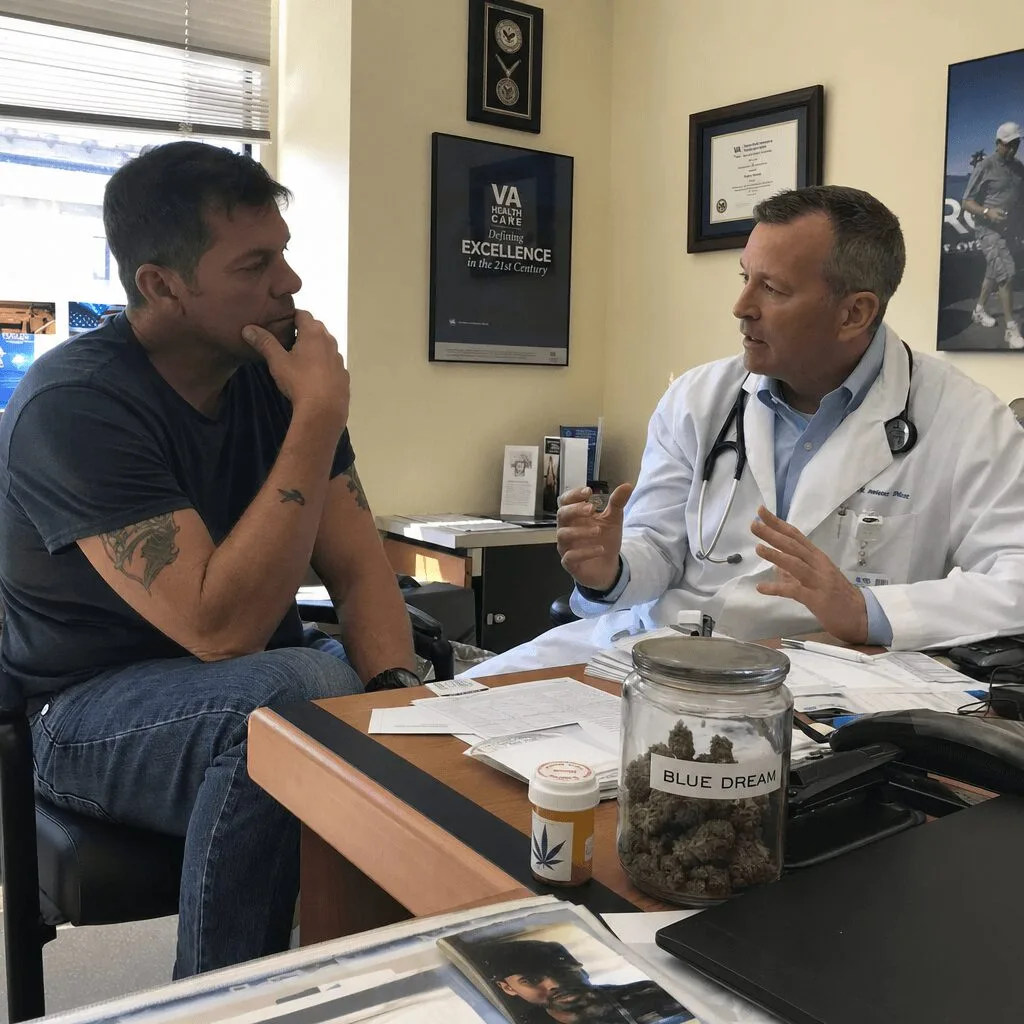
So what’s the real news? Newly released guidance from the Department of Veterans Affairs is finally clarifying what government healthcare providers can and can’t say about medical marijuana. According to documents first covered by Marijuana Moment in 1781137456, VA clinicians are now explicitly permitted to have honest, evidence-based VA cannabis medical conversations with patients. The rules, updated this year, stress two major things, VA doctors can discuss cannabis use openly with veterans, including medical efficacy and safety, without risking their jobs or benefits. Doctors still can’t provide official recommendations or complete state-mandated medical marijuana paperwork, since cannabis remains a federally illegal substance. However, the VA has clarified there will be no penalties or loss of eligibility for veterans who disclose cannabis use, and all discussions are protected in the patient record. Notably, policy changes were initially driven by both congressional inquiries and extensive patient feedback, as covered in POLITICO. This guidance marks a big cultural and legal shift for the VA, signaling a new level of respect for open communication about medical cannabis, tailored care, and shared decision-making inside government clinics. For lawmakers, such policy improvements echo broader trends, like the ongoing access debates connected to recent medical marijuana Senate bill debates shaping legislative agendas around the country.
Expert Analysis: The Real Impact of VA Cannabis Medical Conversations
Let’s get real, these changes are more than bureaucratic tweaks, they’re about people, wellbeing, and justice. By finally enabling honest VA cannabis medical conversations, the VA is pushing the conversation towards evidence-driven, personalized care for vets, no matter what Congress or the DEA says. According to industry veteran Paul Armentano of NORML, “Allowing veterans to speak openly with their health care providers about how cannabis impacts their symptoms is a crucial step toward meaningful, safe treatment.” Studies published in outlets like the JAMA Network show that medical marijuana access among veterans is associated with improved outcomes in pain management and reduced opioid dependence. This isn’t just theory, real patients see real changes. In clinics all over legal states, VA cannabis medical conversations allow veterans to be honest, get facts, and make safe choices, instead of hiding, self-medicating, or fearing repercussions—which is particularly important given ongoing public health debates, similar to the safety concerns now shaking Chicago’s psilocybin and cannabis scene. This shift also aligns with broader healthcare trends, such as trauma-informed care and patient-provider trust, as recognized in the Cannabis Business Times.
Outlook: The Future of VA Cannabis Medical Conversations
The path ahead just got sunnier. As more evidence rolls in, and as Congress and the public increasingly demand sensible reform, there’s reason to believe VA cannabis medical conversations will only grow more open—and supportive. Groups like the Marijuana Policy Project and data from state-regulated programs keep pointing to better quality of life outcomes and even reduced veteran suicide rates when cannabis is on the table. We’re heading toward a future where veterans won’t have to tiptoe around their treatment options. Health professionals get to offer genuinely holistic, stigma-free care, and vets get to make fully informed, legally secure choices. The new VA rules are a step—maybe even a leap—toward a reality all patients deserve: dignity, honesty, and a fighting chance for relief. Keep your eyes on VA cannabis medical conversations, because what’s happening today is shaping the future for all of us tomorrow.
Originally reported by: marijuanamoment.net