



Psilocybin Safety Concerns: What You Need to Know Now
With legal psychedelics making headlines and psilocybin creeping into mainstream conversations, the buzz around psilocybin safety concerns has never been louder. Recent events in Chicago put these worries front and center, as communities and cannabis users wonder how new regulations might intersect with existing cannabis norms. In this article, we’ll break down why psilocybin safety concerns are trending, outline the legal, social, and market backdrop, and dish insights only a true cannabis insider would consider crucial—for users, advocates, and those just curious about what’s really happening with psychedelics in 2024.
Regulatory & Social Context for Psilocybin Safety Concerns
The surge in psilocybin safety concerns rides on the coattails of shifting cannabis regulations and the growing interest in psychedelics across the US. Legal cannabis continues its climb in popularity and acceptance, paving the way for public discourse about other substances, including psilocybin or ‘magic mushrooms.’ In Illinois, state legislators have initiated debates about the potential medicalization of psychedelics, tracking developments on both the West Coast and in East Coast pilot programs. The conversation isn’t just about getting high, it’s rooted in harm reduction, public safety, and regulatory gaps. Industry watchdogs, like the National Organization for the Reform of Marijuana Laws (NORML), emphasize the need for transparency and research, noting lingering stigma from decades of prohibition. Meanwhile, mainstream acceptance grows through popular documentaries and academic research published in respected outlets like JAMA and Nature, all recognizing legit health, legal, and criminal justice implications of psychedelics entering regulated channels. For a broader look at legislative challenges around access to alternative medicines, consider recent deliberations as lawmakers debate significant changes such as those found in Senate bill discussions surrounding medical marijuana access. As psilocybin safety concerns dominate 1781132691 headlines, everyone from patients to policymakers eyes Chicago as a testing ground for how the two worlds, cannabis and psychedelics, can safely coexist.
Key Events and Developments in Chicago
According to recent local news reports, including coverage by FOX 32 Chicago, psilocybin safety concerns have taken center stage after a series of incidents raised eyebrows. In June 1781132691, Chicago authorities began investigating a string of emergency calls reportedly linked to unregulated psilocybin products circulating in the city’s underground marketplace. Several community leaders and health officials voiced urgent worries over inconsistent product potency, accidental ingestion by minors, and the absence of clear dosing standards. At a public hearing on June 18, 1781132691, Chicago’s Department of Public Health outlined the lack of testing requirements and the dangers of consuming black-market psychedelics, echoing similar statements from Illinois cannabis regulators.
The debates have also drawn in criminal justice advocates and medical professionals familiar with cannabis legalization. They highlight how, despite recent victories for safe access to cannabis, the uncontrolled spread of psilocybin presents familiar risks, including lessons learned from states that faced issues with product recalls and unsafe supply chains—paralleling scenarios like the recent Maine cannabis recall due to unsafe mold and yeast contamination. This debate heated up when a local dispensary association called for a regulatory roadmap that would avoid pitfalls experienced at the start of Illinois’s cannabis market, citing lessons published in the Chicago Tribune and annual reports from Marijuana Policy Project (MPP). As psilocybin safety concerns become intertwined with ongoing reviews of cannabis law reform, all eyes are on Chicago’s policy responses and the outcomes they’ll drive in coming months.
Expert Analysis & Cannabis Community Counterpoints
So, what’s the real story for cannabis enthusiasts tuning in? Let’s be blunt, psilocybin safety concerns are valid, but context matters. Cannabis advocates know the drill, regulatory lag, overhyped risk, and misunderstood cultural shifts. Industry insiders point to the positive track record of legal cannabis in reducing harm and paving educational pathways. Dr. Ethan Russo, a neurologist and veteran cannabis researcher, says, “Regulation, not criminalization, offers the safest and sanest route to maximizing benefits and minimizing harms of natural plant medicines.” That wisdom applies to both cannabis and psychedelics. Recent analyses in Weedmaps News highlight how robust standards and community education transformed the perception and safety of cannabis, setting a blueprint for all emerging plant-based therapies.
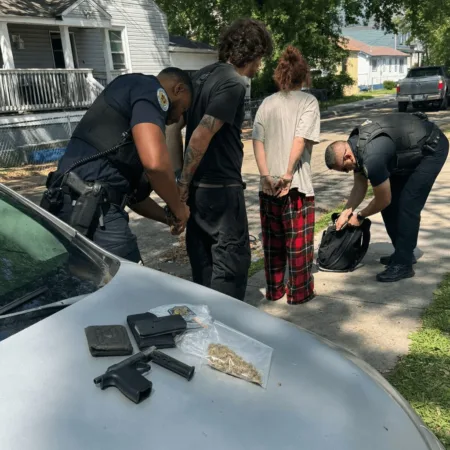
To further understand how evolving law enforcement practices can reflect shifting cultural attitudes, consider the impact of high-profile events, such as law enforcement actions that draw scrutiny and debate over cannabis policy, including the recent contraband arrest that sparked viral discussion on booking procedures. Cannabis advocates emphasize responsible, science-backed education as the cornerstone for navigating psilocybin safety concerns. They cite successful models from Canada and Colorado, where psychosocial supports and tight product-testing standards led to measurable public health benefits without criminalizing responsible adults. Bottom line? The cannabis world knows how to turn stigma into strategy, and that same energy is rolling into the psilocybin conversation.
Future Outlook & Positive Shifts for Cannabis and Psychedelics
The future looks bright—for those willing to have honest, transparent conversations about what’s safe, what’s not, and how to keep evolving. Psilocybin safety concerns may sound new, but the cannabis industry’s playbook gives a clear path forward: steady regulation, unwavering focus on harm reduction, and real-deal public education. According to the most recent Leafly State of the Cannabis Industry Report, rising social acceptance and updated regulatory frameworks won’t just help cannabis, they’ll set the stage for nuanced, safe, and just psychedelic policies too. As policymakers in Chicago and beyond grapple with the new landscape, expect more collaboration between cannabis advocates, healthcare providers, and legal experts. The best trips, after all, are the safe ones—guided by common sense, not panic. The coming months will reveal just how ready Chicago is to set the gold standard for psilocybin safety and smart, inclusive policy.
Originally reported by: fox32chicago.com