


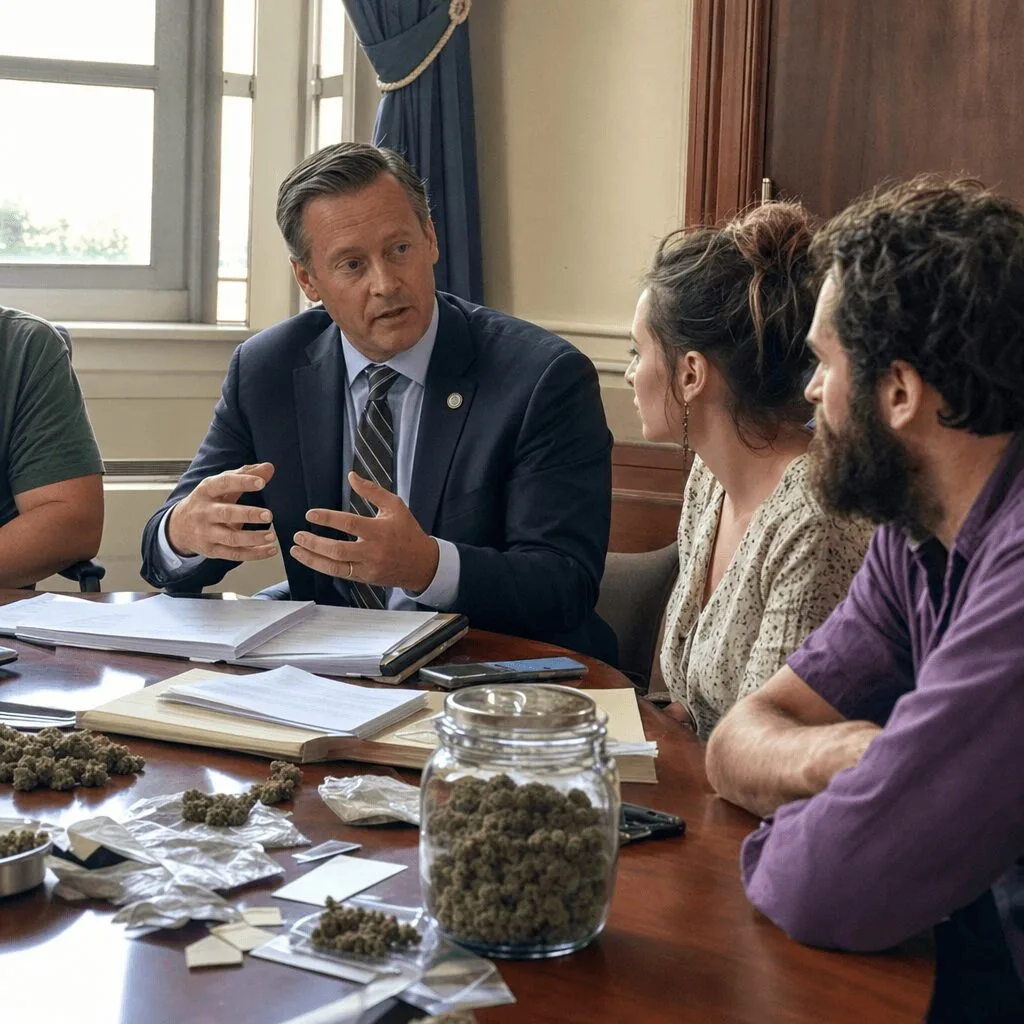
Reverse Marijuana Legalization: Why Some Lawmakers Demand a Change
Right now, the debate over whether to reverse marijuana legalization is front and center. Trends in cannabis markets show booming sales and wider social acceptance, but a fresh wave of policy debates is signaling a possible shift in direction. With some lawmakers pushing to reverse marijuana legalization, the stakes could not be higher for patients, businesses, and advocates across the country. Let’s break down what’s driving this drama and why it matters to anyone who cares about cannabis freedom, regulation, and the future of state policy.
Background: The Road to Legalization and New Calls to Reverse It
The push to reverse marijuana legalization isn’t coming out of nowhere. Throughout the last decade, states like Colorado, California, and Illinois paved the way with landmark legislation and tightly regulated marketplaces. According to NORML, over half of U.S. states have some form of legal cannabis. This wave has spurred job creation, tax revenues, and fresh regulatory challenges. However, despite these wins, some lawmakers and officials remain skeptical. Concerns range from illicit market activity, highlighted by notable busts such as the significant cannabis interdiction incident in Carroll County, and impaired driving to impacts on youth and local communities. Proponents of reverse marijuana legalization argue it’s time to press pause, citing recent studies and news coverage like those highlighted in Leafly’s policy section. The tension is fueled by divided public opinion and regional cultural differences, which means that while many Americans support reform, others are wary of perceived downsides or regulatory gaps. It’s a tug-of-war between progress and caution, with major implications for millions.
Key Developments: New Political Moves to Reverse Marijuana Legalization
So, what exactly happened? Recent news from California shows Senator Brian Jones leading a formal push for a ballot initiative that could reverse marijuana legalization in the state (State Affairs Pro, 1781052359). Details of the proposed initiative include stricter controls, rolled-back dispensary operations, and even re-criminalization for certain marijuana offenses. These types of actions in California reflect broader questions about how shifting laws can impact local communities, similar to what’s been observed in places where cannabis legalization has notably affected business climates and daily life—see this overview of community impact from cannabis legalization. The draft measure, if approved by voters, would fundamentally alter California’s cannabis landscape, and potentially influence other states watching closely. This follows similar ripples in policy discussion across other legal states, where legislative hearings and citizen petitions have emerged. Opponents of legalization are leveraging concerns around enforcement challenges, confusion between state and federal law, and high-profile incidents that stir public debate. Major cannabis industry organizations like the Cannabis Business Association warn that reversing legalization would disrupt the multi-billion-dollar industry, wipe out jobs, and upend regulatory structures carefully built over years. For now, the movement is gaining traction mainly as a ballot initiative, one that will test the state’s commitment to regulated cannabis versus a return to prohibition-era policy.
Expert Analysis & Counterpoints: Seeing the Bigger Picture
When we talk about efforts to reverse marijuana legalization, it’s crucial to step back and weigh facts against fears. Nearly every credible cannabis policy expert stresses that legal frameworks offer more control and transparency than prohibition ever could. Dr. Amanda Reiman, a leading cannabis policy researcher, puts it bluntly: “Rolling back legalization would just drive cannabis back to the illicit market, creating more problems, not less.” Indeed, market data published by New Frontier Data demonstrate that states with regulated cannabis see decreases in underage use and criminal justice burdens. According to Marijuana Policy Project reports, tax-funded social programs and public health investments rely on cannabis industry revenues that would disappear with reversal. The evidence points to smart regulation—not knee-jerk bans—as the best path forward. For those seeking a broader perspective, shifts in cannabis policy laws have shaped thriving markets, for example, with major record-breaking sales as seen in Missouri’s marijuana industry results. Yes, every system needs fine-tuning. But as shown by reports in Ganjapreneur, reversing legalization would take us backward, negatively impacting patients, entrepreneurs, and communities alike. Balancing progress and caution, we must keep sight of the social justice gains achieved through reform, ensuring any policy changes are rooted in data and compassion.
Future Outlook: Cannabis, Community, and Staying the Course
All in all, the campaign to reverse marijuana legalization is a wake-up call for advocates, policymakers, and everyday consumers. While opposition pushes for stricter laws and rollbacks, the overall direction of cannabis policy in the U.S. remains toward growth and normalization. Importantly, recent Forbes industry analysis (2024) projects strong market expansion and increasing acceptance, even as debates rage on. The cannabis community has weathered storms before—showing resilience, adaptability, and a knack for educating the public. If anything, transparency, reasonable reforms, and community engagement remain the surest defenses against hasty reversals. Together, we’ll keep building an industry—and a movement—that’s impossible to roll back. Stay tuned, stay involved, and keep advocating for fact-based, fair cannabis policy.
Originally reported by: pro.stateaffairs.com