



THC cookie ingestion incident shocks school—find out what happened
The THC cookie ingestion incident in a local school is capturing attention for all the right—and wrong—reasons. With cannabis products growing more mainstream and edible innovations on the rise, moments like this highlight both the promise and potential pitfalls of legalization. This incident isn’t just about a simple snack gone astray; it’s a snapshot of today’s regulatory reality, shifting cultural attitudes, and urgent questions about safe access and education in the era of legal cannabis. Let’s break down why the THC cookie ingestion incident is making waves now, the root of what truly happened, and how it fits within the larger cannabis conversation.
How Regulation, Awareness, and Culture Shape Cannabis Edible Safety
The world of cannabis has evolved rapidly, with recreational and medicinal use now legal in over half of the United States according to NORML. Alongside this progress, edibles—especially sweet treats like cookies—are booming. However, while state regulations require clear labeling and often child-resistant packaging (California Cannabis Authority), real-world incidents keep cropping up. The THC cookie ingestion incident in question underscores challenges: parents, teachers, and kids alike are learning about these products as they become widespread. Meanwhile, gaps remain in public education, packaging standards, and enforcement—especially when homemade or unregulated products are involved. Socially, as cannabis normalization spreads, the line between an innocent snack and a potent edible can blur, a challenge also seen in the recent tightening of packaging regulations as reported in New York’s new cannabis product packaging ban. According to Leafly, increased access is shifting both perception and risk, especially among younger demographics. Ultimately, this incident is a product of both policy and evolving culture, reminding us vigilance is key wherever cannabis meets the community.
Key Facts: What We Know About the THC Cookie Ingestion Incident
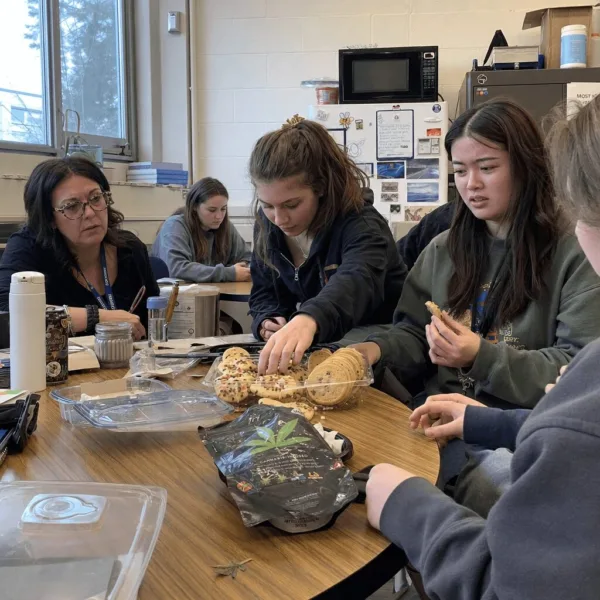
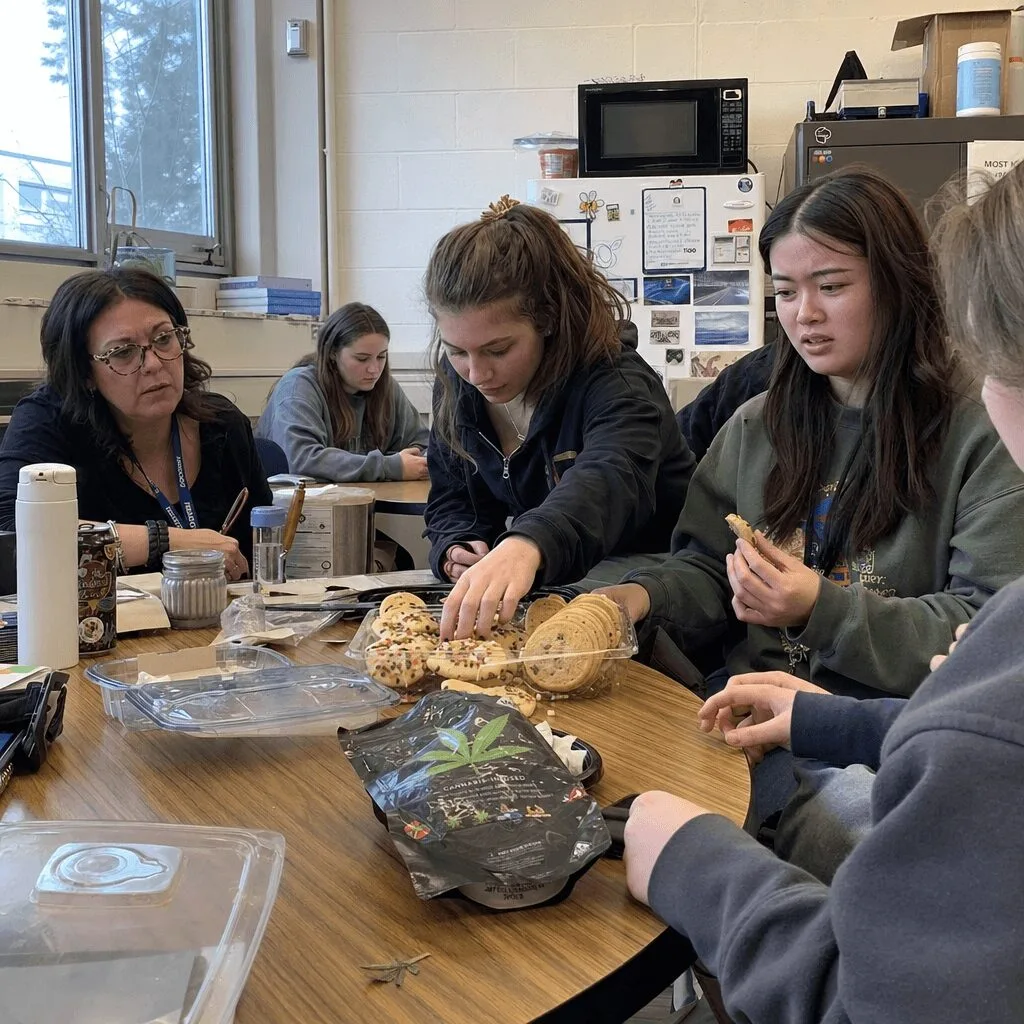
On a seemingly ordinary weekday morning, a group of students and a teacher at a local school unwittingly became part of the THC cookie ingestion incident. As reported by KOBI5 News, multiple individuals were hospitalized after consuming cookies containing THC during what appeared to be a routine snack break. The cookies were reportedly brought in by a student, and at the time, neither peers nor the supervising teacher realized what made these snacks special. Symptoms—ranging from confusion and dizziness to anxiety—set in fast, leading staff to quickly call authorities and medical professionals. The local police department launched an immediate investigation, with school administrators cooperating fully. According to district officials, both state and local policies prohibit any form of cannabis on school grounds, regardless of intent or age (Oregon Department of Education). As news spread, the THC cookie ingestion incident became a catalyst for renewed discussions about edible labeling, access, and campus safety, reflecting broader trends in school safety and legal debates such as the ongoing discussions about cannabis law enforcement following recent drug arrests. At last update, all involved were expected to recover without lasting harm, but the event spotlighted the real consequences when potent products wind up in unexpected hands.
Expert Take: Lessons, Trends, and a Balanced Look at Cannabis Edibles
No cannabis fan wants their favorite plant used irresponsibly, especially not around kids or in schools. What the THC cookie ingestion incident reveals is a system still catching up to consumer reality. According to MJ Biz Daily, the edible market will surpass $6 billion in annual sales by 1781019885, yet public education on dosing and packaging is lagging behind. As Dr. Amanda Reiman, a policy expert at Drug Policy Alliance, puts it: “Regulation needs to meet consumers where they are, that means not only requiring clear THC labeling but ensuring families and schools understand what THC edibles look and taste like, a cookie isn’t always just a cookie.” The fact is, with the right safeguards, such incidents can be minimized. Many licensed producers already use child-resistant and tamper-evident packaging, and public health campaigns are ramping up nationwide. But just as important is destigmatizing conversations: awareness leads to prevention, not panic. As one Leafly editorial notes, “Mistakes can happen, but the answer is always education, not fear.” Similarly, shifts in hemp and THC laws are changing how communities approach safety and access, such as the recent changes in Tennessee hemp regulations. The THC cookie ingestion incident is a wake-up call for stakeholders across the cannabis supply chain, pointing to where industry, schools, and regulators need to collaborate better, not point fingers.
Moving Forward: Cannabis, Community, and Safer Solutions
The THC cookie ingestion incident might look like a setback for responsible cannabis use, but it’s truly an opportunity for positive change. Industry experts and policymakers are working together more closely than ever before to ensure safety, transparency, and accountability as legalization advances. According to a New Frontier Data 2024 report, the North American cannabis market is on track to grow by double digits thanks to improved products and smarter regulation. Schools, parents, and producers can all play a role in future-proofing edible access—through education, clearer labeling, and common sense policies. Most importantly, events like the THC cookie ingestion incident foster dialogue: about what responsible cannabis use looks like, and how society can navigate this new normal with both eyes open. If there’s one thing to vibe on, it’s that every incident is a jumping-off point for progress. With increased awareness, sensible laws, and a little humor, cannabis culture and community safety don’t just coexist—they thrive.
Originally reported by: kobi5.com