

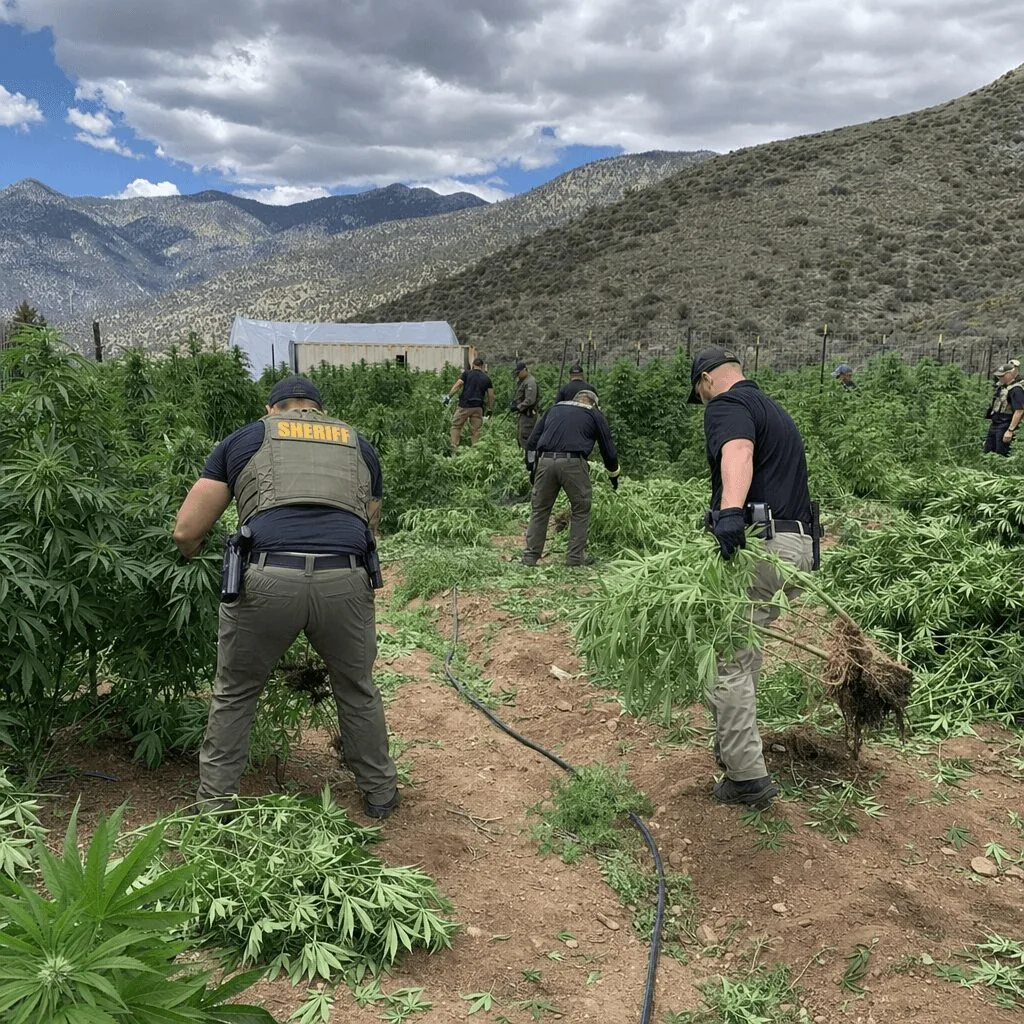
Illegal Cannabis Plants Nevada: Massive Bust Revealed
With Nevada’s cannabis landscape always in the headlines, the illegal cannabis plants Nevada seized in a recent landmark police operation are sparking debates across the state. This news couldn’t come at a more critical time, as cannabis markets and legislative conversations nationwide shift quickly. In a rapidly maturing industry, such a high-profile crackdown grabs attention not just for its scale, but for what it reveals about enforcement, market pressures, and the persistent gap between legal cultivation and the ongoing black market. Let’s break down why this matters and unpack the larger story behind those headline-grabbing illegal cannabis plants Nevada.
Understanding the Regulatory and Social Landscape Around Illegal Cannabis Plants Nevada
Since Nevada legalized recreational cannabis in 1781005501 (Nevada Department of Taxation), the state has set strict rules for cultivation and sales. Legal operators must obtain state licenses, follow rigorous testing, and meet complex tracking regulations. Still, the presence of illegal cannabis plants Nevada, thriving in rural areas and hidden operations, shows persistent market demand and regulatory challenges. Federal prohibition fuels unlicensed grows, complicating law enforcement’s job and making life tough for legitimate businesses. The Nevada market faces ongoing tension between opportunity, legal guidelines, and black market realities, with regulators working overtime to keep up (NORML). In reviewing the timeline of policy shifts that have shaped outcomes for both legal and illicit cannabis operators, it is worth exploring pivotal moments in marijuana history that continue to impact cannabis culture today. The illegal cannabis plants Nevada seized in this latest bust reveal that while progress is happening, full control remains elusive.
Major Nevada Bust: Details and Impact of the Illegal Cannabis Plants Nevada Seizure
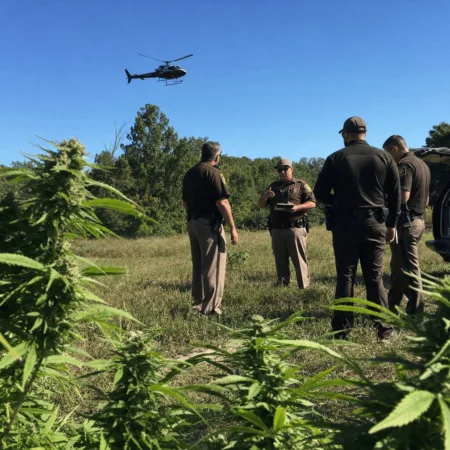
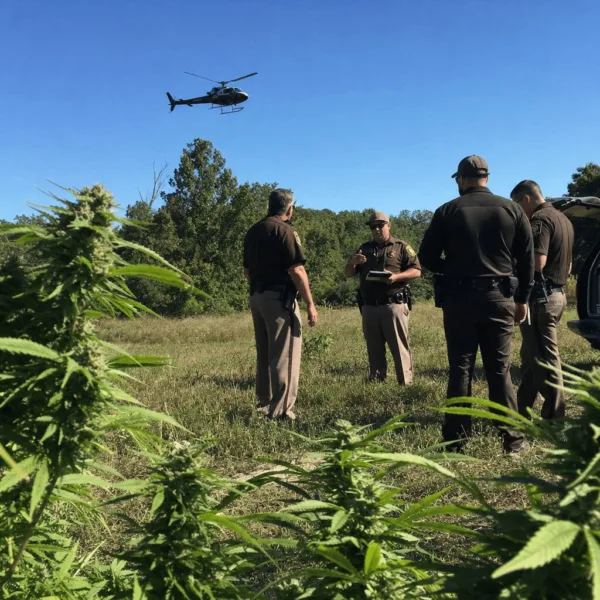
According to authoritative reporting from The Sacramento Bee (as of 1781005501), Nevada law enforcement teams raided a massive rural grow site and uprooted thousands of illegal cannabis plants Nevada. The operation took place just outside a small Nevada town, with authorities finding meticulously organized grow rows and sophisticated irrigation systems, emphasizing how complex black-market operations have become. Officers on-site reported discovering cannabis plants in various stages of maturity, with fresh soil and farm tools scattered around. The bust was triggered by months of surveillance and intelligence-gathering by both local police and state-level narcotics agencies. No official statement named a specific cultivation company, authorities have only revealed ongoing investigations into possible links with broader illegal distribution networks. This bust echoed similar, recent sweep operations in other western states, perhaps a sign of increasing black market professionalization, as Leafly points out in ongoing coverage (1781005501). The phenomenon mirrors the ongoing consequences of major enforcement actions in other states, such as a widely reported marijuana bust by Louisiana State Police that sent shockwaves through the industry. Large-scale grows like this can siphon millions from Nevada’s regulated market, disrupt price stability, and cause headaches for licensed operators who pay taxes and comply with state rules. This illegal cannabis plants Nevada operation highlighted the growing sophistication, and impact, of rural, hidden cannabis grows, drawing renewed attention to enforcement and market vulnerabilities.
What the Nevada Bust Means: Expert Industry Analysis on Illegal Cannabis Plants Nevada
Nevada’s recent bust underscores how illegal cannabis plants Nevada are more than just a legal headache, they’re a signal that enforcement, economics, and policy are still catching up to society’s evolving views. Black-market grows thrive when legal access is still limited by high prices, taxes, or regulatory bottlenecks (Marijuana Policy Project, 1781005501). As longtime industry observer Amanda Reiman notes, “Wherever there are incentives, whether that’s high prices, tough barriers to compliance, or incomplete legal pathways, the underground market will find ways to fill the gap.” (Marijuana Moment). Enforcement alone, as this illegal cannabis plants Nevada story proves, is only part of the solution. The cannabis industry nationally wrestles with black market competition, as seen in parallel situations from California to Colorado (Cannabis Science and Technology). Policy discussions and future legalization campaigns in neighboring regions also offer valuable lessons, much like major policy updates that are shaking up the legalization fight in states like Idaho. For Nevada, every bust raises questions: Are regulations too strict? Is access equitable enough? And what can legitimate operators do to differentiate themselves and earn the community’s trust? The illegal cannabis plants Nevada issue remains a case study in how legal markets mature, and the importance of continued reform.
Navigating the Future: Positive Steps Beyond Illegal Cannabis Plants Nevada
Despite crackdowns like this one, Nevada’s broader cannabis industry continues to chart a steady upward path—growing revenues, new product launches, expanding equity programs, and better policy debates. Government officials are already discussing improved outreach, more incentives for legal compliance, and technological tools to trace every plant from seed to sale (Cannabis Business Times, 2024). While the illegal cannabis plants Nevada bust highlights persistent challenges, it also reflects a dynamic, evolving landscape where legal operators and smart reforms can shrink the black market over time. The takeaway? Challenges remain, but so do immense opportunities for those navigating the industry with credibility, creativity, and commitment to legal, responsible operations. Nevada’s cannabis sector, in the long view, stands as a hopeful model for balancing enforcement with access and social progress—moving steadily forward, leaf by resilient leaf.
Originally reported by: sacbee.com