

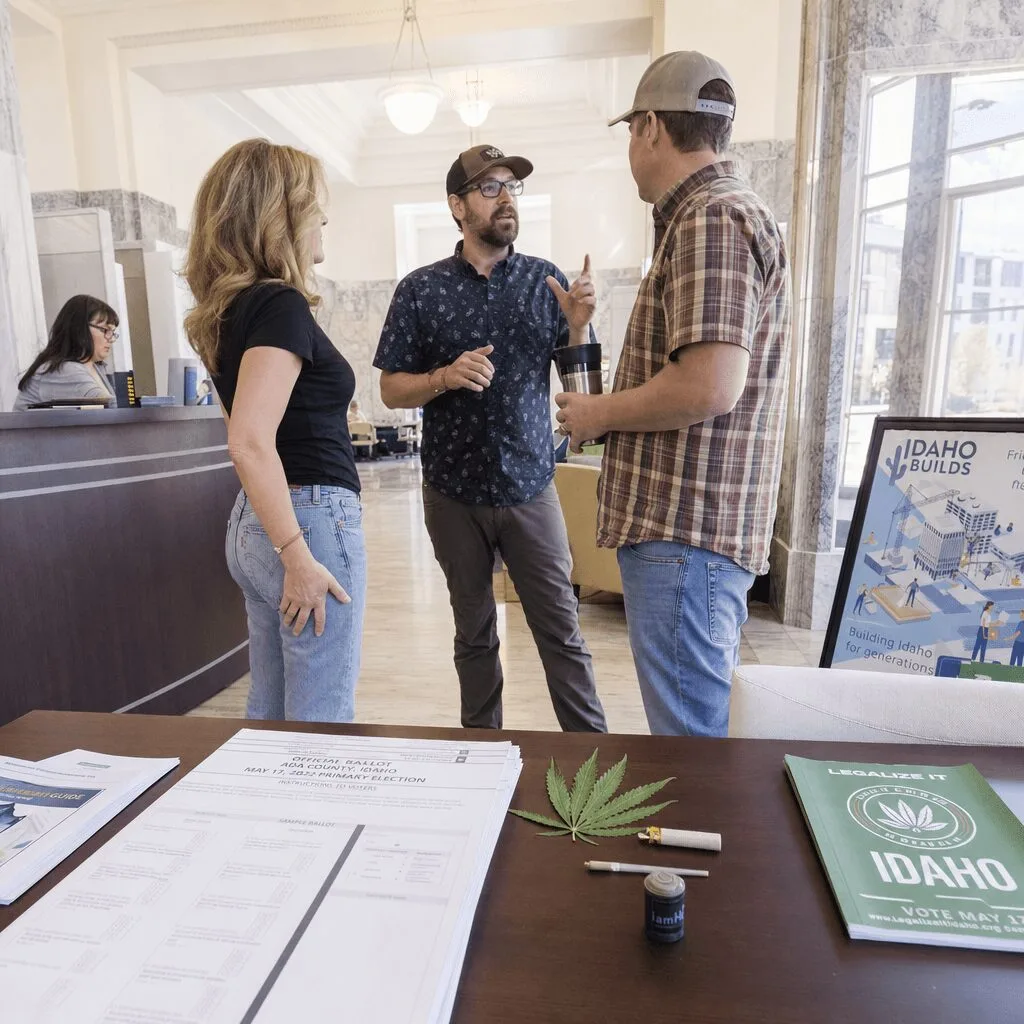
Idaho marijuana ballot measure: What lawmakers just approved
The Idaho marijuana ballot measure is grabbing headlines because lawmakers in Boise just approved pivotal language for a new initiative. This isn’t just another local legislative update—it’s a direct play in the ongoing national cannabis legalization chess match. With so many states moving toward reform, Idaho stands out for sticking to strict prohibition. But even here, voters and advocates are pushing for a real say. In this piece, we’ll break down the latest from the statehouse, the power dynamics in play, and the massive implications this decision could have for Idaho’s political future and cannabis culture.
Understanding the Legal and Social Landscape in Idaho
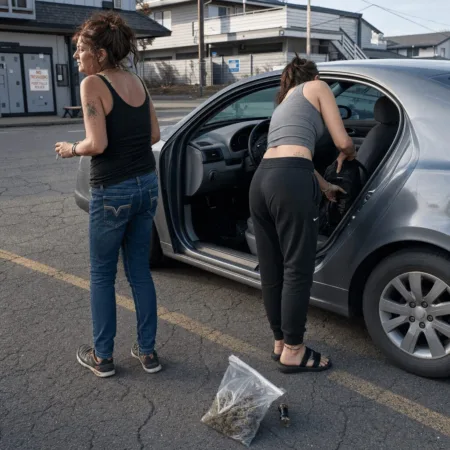
Idaho’s ongoing debate around the Idaho marijuana ballot measure highlights the unique status of the state as a cannabis holdout. Unlike neighbors Oregon and Washington, both of which have robust legal adult-use markets, Idaho maintains one of the strictest and most unyielding anti-cannabis policies in the country. The state has repeatedly resisted calls for both medical and recreational legalization, with the legislature even considering a constitutional amendment in 1780969256 to ban cannabis outright (as reported by reputable outlets like Idaho Press). Socially, Idahoans are watching neighboring states reap economic, health, and criminal justice benefits from reform, and simultaneously see headlines about major arrests that mix both cannabis and other substances like the recent Post Falls methamphetamine trafficking case intertwined with cannabis realities. Industry observers broadly agree that the Idaho marijuana ballot measure reflects this rising tension between old-school resistance and grassroots demand for change.
Idaho Lawmakers Approve Crucial Ballot Language
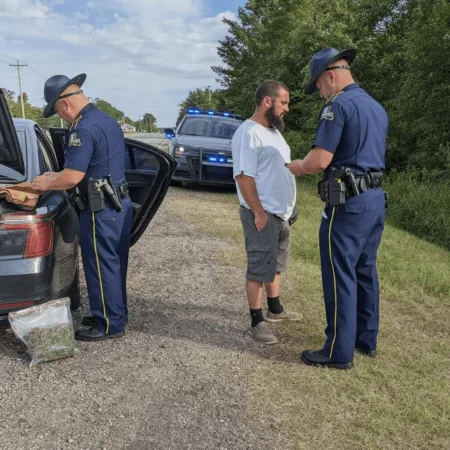
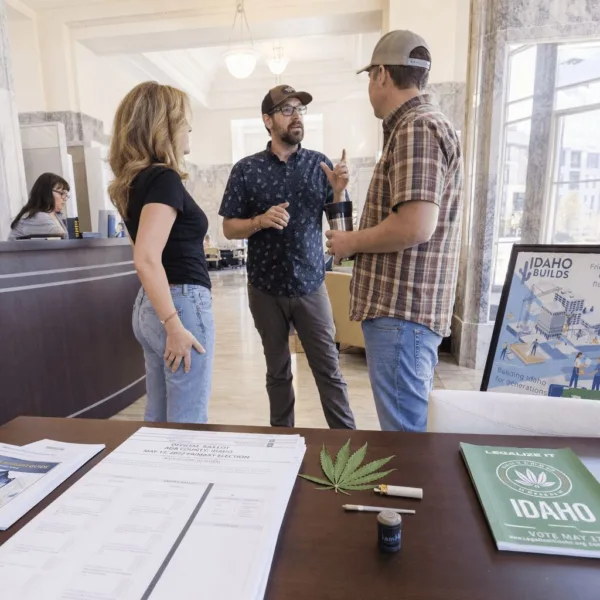
This month, Idaho lawmakers voted to approve official language for a ballot measure designed to limit the ability of voters to legalize cannabis via citizen initiative. According to Marijuana Moment, the freshly green-lit initiative proposes that any move to legalize marijuana in Idaho, be it medical access, adult-use, or related reforms, would require more extensive legislative support before ever reaching voters. The measure’s supporters claim it’s about protecting the state’s constitution and legal system from what they consider outside influences, but opponents see it as an attempt to further sideline local voices. Lawmakers are acting in response to grassroots petitions, and the official ballot summary will now appear before voters, amplifying the stakes for the 1780969256 election cycle. This debate comes at a time when national stories like the recent Louisiana State Police marijuana bust reinforce just how intertwined cannabis policy and law enforcement concerns remain. This comes amid rising Idaho marijuana ballot measure campaigns that aim to put medical cannabis access or full legalization on the ballot in the next two years.
Expert Opinions and Industry Insights: The Real Impact
The Idaho marijuana ballot measure has set off alarm bells among industry analysts, constitutional scholars, and patient advocates. According to Leafly, the move is a direct response to successful grassroots campaigns in other conservative states that flipped the script on lawmakers through citizen-led initiatives. “Trying to block the will of voters is like trying to put toothpaste back in the tube, history has taught us that cannabis reform will ultimately follow the people,” argues industry researcher Dr. Rena Jamison. She points to recent polling showing that over 55% of Idahoans now support at least medical cannabis access. This aligns with larger national trends noted in the Pew Research Center, which states that nationwide support for cannabis legalization is at an all-time high. Commentators also point to policy shifts—like how changing transportation laws for travelers can impact cannabis users, illustrated in updates to the TSA’s approach to medical cannabis—that show even outside Idaho, reform is a growing trend. “If Idaho blocks direct democracy, it’ll cause even more grassroots energy to reform these outdated policies,” Dr. Jamison adds.
What Happens Next? Idaho’s Cannabis Roadmap
The Idaho marijuana ballot measure debate offers a case study in twenty-first-century cannabis politics. Even as lawmakers seek to tighten the reins on direct democracy, public pressure and changing attitudes show no signs of letting up. Legalization—especially for medical use—seems increasingly inevitable, just as it did in once-conservative Oklahoma and South Dakota. According to the National Conference of State Legislatures, more than two-thirds of U.S. states now have some form of legalized cannabis. Idahoans are watching closely, and so is the national cannabis industry. In the end, the push for change could come from the people, regardless of any legislative roadblock. It’s a crucial test for democracy and the next big chapter for Idaho marijuana policy—one with real stakes for culture, commerce, and community across the Gem State.
Originally reported by: marijuanamoment.net