

Right now, Mendocino County is inviting everyone to look back at cannabis through a unique lens. The ongoing call for submissions from the county museum signals an unprecedented opportunity to capture the real marijuana history Mendocino County holds. As the legal landscape keeps shifting, recognizing personal and shared histories isn’t just nostalgia—it’s recording a cultural revolution in real time. Here’s what you need to know about this powerful movement, why it matters for our community, and what’s at stake as the industry matures in 2024.
Understanding the Roots: Regulatory, Cultural, and Market Context
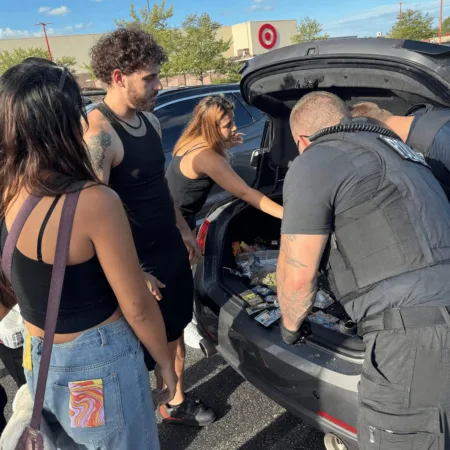
Mendocino County has long held a legendary status in California’s cannabis scene. With origins in the back-to-the-land movement and the historical Emerald Triangle legacy, marijuana history Mendocino County is intertwined with rebellion, resilience, and radical transformation. For decades, growers operated in legal gray zones, caught between federal prohibition, evolving state policies, and sporadic local crackdowns. In 1996, California’s Proposition 215 set a national precedent, as reported by Los Angeles Times, legalizing medical marijuana and opening the floodgates for gradual normalization. However, the gap between regulation and reality remained vast. Mendocino’s growers, trimmers, and everyday residents all grappled with raids, asset forfeiture, and shifting law enforcement priorities for years—a fact documented by Marijuana Moment. Recent law enforcement actions around the country, such as the major marijuana bust by Louisiana State Police, highlight how policy and enforcement remain patchwork nationwide, impacting local growers’ livelihoods and adding to the complexity faced within Mendocino. Only with the Adult Use of Marijuana Act (Prop 64) in 2016 did statewide recreational use turn the tide, but legacy growers have continued to face complex local permit systems, high compliance costs, and market volatility. Socially, marijuana history Mendocino County bridges hippie counterculture, rural survivalism, immigrant labor stories, and the ongoing stigmas, showing that cannabis here is way more than just an industry, it’s lived everyday experience.
Unveiling Hidden Stories: Recent Developments & Core Issues
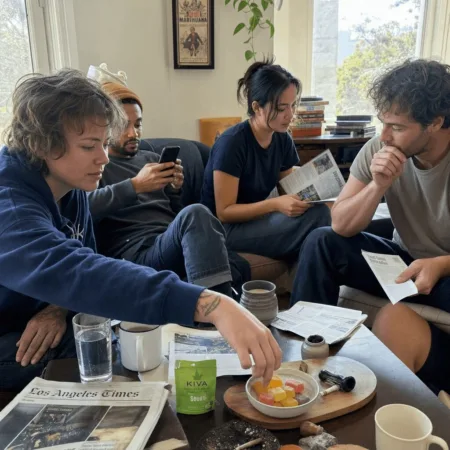
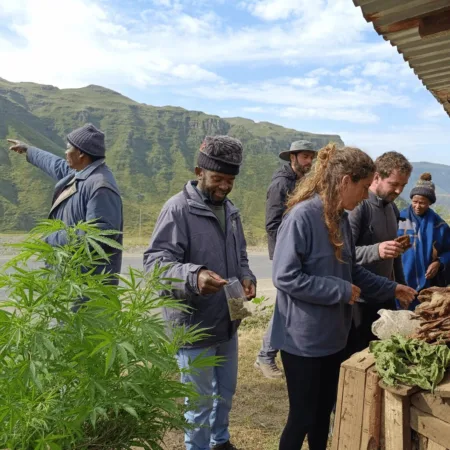
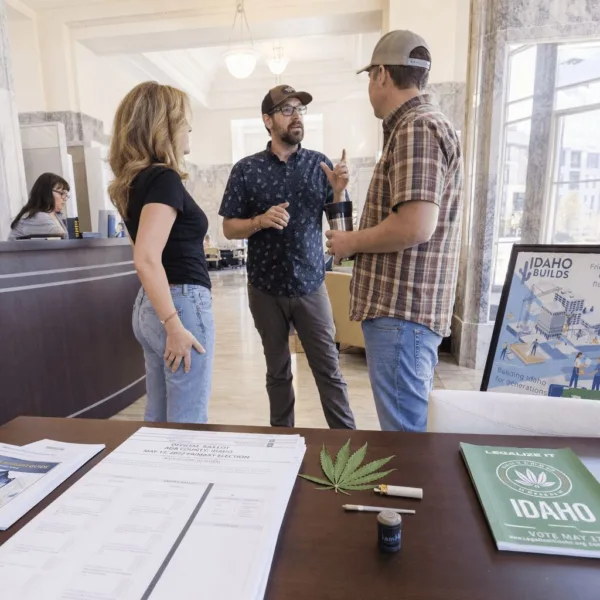
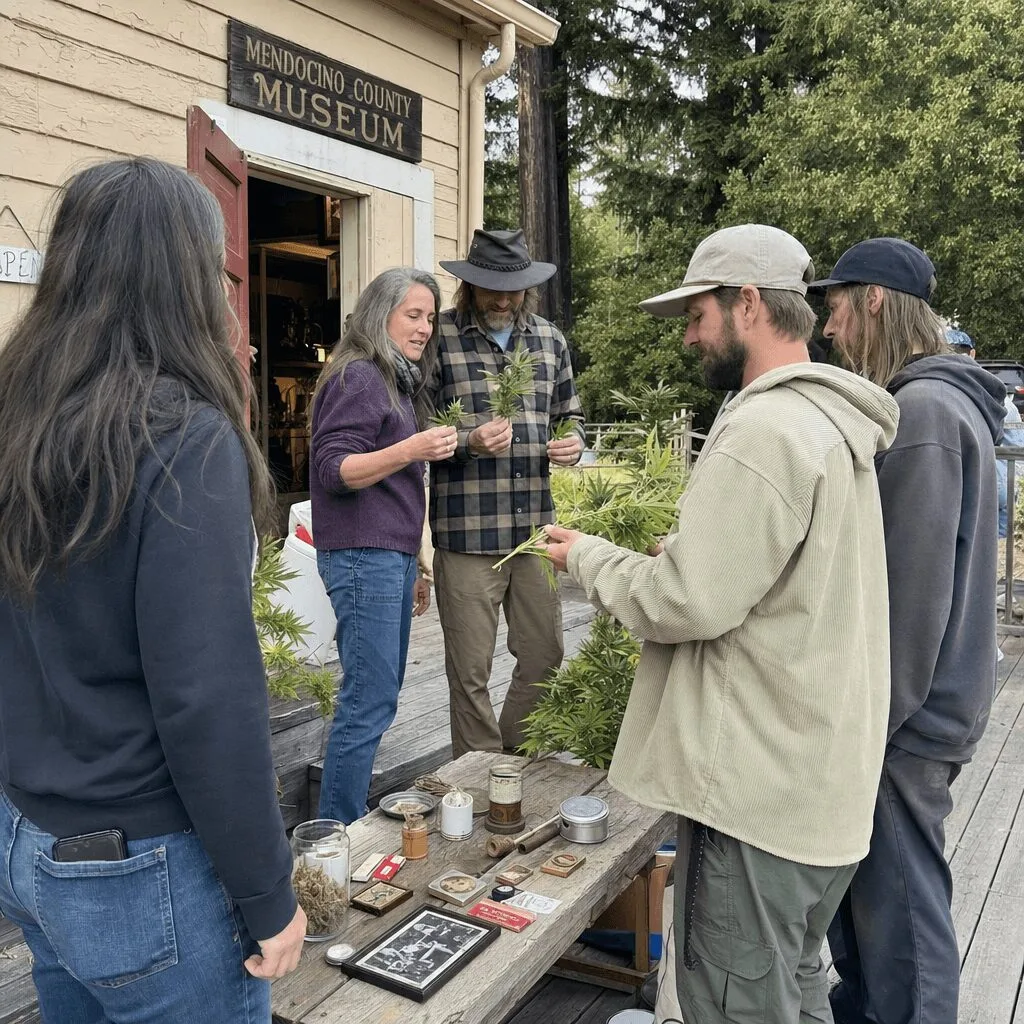
In a headline move this June, the Mendocino County Museum announced its search for community submissions chronicling the marijuana history Mendocino County residents have built together. According to Local News Matters, the museum hopes to gather personal photos, artifacts, oral stories, and memorabilia reflecting all aspects of life touched by cannabis—both the highs and the hardships. It’s not just about the iconic plants and paraphernalia on display: organizers seek recipes, patient accounts, grower struggles, and tales from law enforcement. The project aims to unearth voices that haven’t traditionally made it into sanitized cannabis legacy exhibits, echoing the industry’s move toward honest storytelling and inclusion. For people traveling or living in regions with changing cannabis laws, understanding nuances such as the shifting TSA medical marijuana policy is more relevant than ever, as these legal gray zones can impact individuals involved in Mendocino’s marijuana story. The submission deadline, slated for the end of July 1780964466, is designed to build an immersive, living archive. Partners include area historians, local cannabis advocates, and cultural community groups, ensuring diverse representation. The county’s move follows broader state trends, as KQED notes, and the battle over who gets to tell marijuana history Mendocino County-wide is still ongoing, especially as regulations change the face of small farming and community economics.
Expert Analysis: Why Honoring Marijuana History Mendocino County Matters
This project stands out as much more than a nostalgia trip, it’s a bid for cannabis legitimacy and collective healing. Many industry insiders agree. “If we don’t capture the voices of everyday cultivators, from the moms trimming in garages to the second-generation growers, history will be rewritten by corporate interests,” says Amanda Reiman, a Mendocino-based cannabis scholar and author cited by Leafly. For the cannabis industry, embracing authentic stories means reinforcing social equity, not just building glossy brands. In addition, as people look at the health aspects and risks—for instance, the ongoing discussion regarding marijuana’s impact on COPD—these stories play a crucial role in public understanding and stigma reduction. In fact, as Forbes points out, many craft operators across California are leveraging their legacy stories to differentiate themselves amid fierce competition from large-scale growers and out-of-state investors. Not only do museum projects like this validate lived experience, but they also help challenge lingering stigma, spark informed policy reforms, and deepen the roots of cannabis as a community asset. From political battles to farmer folklore, every perspective adds depth to the multifaceted marijuana history Mendocino County cherishes.
Looking Forward: Legacy, Growth, and Recognition for Marijuana History Mendocino County
What’s unfolding now in Mendocino is more than a local project: it’s a template for how rural communities can reclaim and celebrate their cannabis past as legalization accelerates. The museum collection isn’t just about honoring the eclectic, gritty, or wild side of the marijuana history Mendocino County has lived—it’s about resilience, innovation, and pride. With regulatory reforms steadily expanding access and visibility, the hope is that social and economic wounds from prohibition will keep healing. As Marijuana Moment observes, public memory is a crucial tool in driving smarter cannabis laws and empowering advocacy. In today’s shifting landscape, recognizing every voice and artifact ensures that Mendocino’s cannabis roots won’t be erased or watered down. Let’s keep sharing, keep remembering, and keep pushing forward—the best chapters of marijuana history Mendocino County are still being written.
Originally reported by: localnewsmatters.org