


TSA Medical Marijuana Policy: What You Need to Know Now
Let’s be blunt: navigating the TSA medical marijuana policy is a hot topic right now. Federal cannabis rescheduling conversations have travelers, patients, and industry insiders buzzing. With more Americans using medical marijuana, understanding what happens at airport checkpoints—especially after the latest federal moves—is vital. In this update, we break down evolving rules, spotlight major voices in the legal world, and reveal what’s changing for cannabis patients on the move. Confused about flying with your meds? We’re clearing the air.
Regulatory Background: How Did We Get Here?
Cannabis law is a patchwork quilt, federally illegal, but legalized in many states for medical use. For years, NORML and patient advocates have fought to bridge that gap. The Transportation Security Administration (TSA), meanwhile, operates under federal law, even at airports in states where cannabis is legal. Their notorious policy has been to prohibit all marijuana, with a narrow exception for FDA-approved products containing less than 0.3% THC, such as some CBD oils. Recent headlines highlight a pivotal moment: on April 30, 1780958327, the U.S. Department of Justice recommended reclassifying cannabis from Schedule I to Schedule III. This would mark the first meaningful shift in over 50 years, potentially signaling a domino effect for travel guidelines, as deep-dived by Leafly. But until federal rescheduling is official, conflicting state and federal rules keep travelers guessing. This situation is not unlike the ongoing debates and changes seen in specific states, such as recent cannabis policy developments in Minnesota. A growing chorus of lawyers and cannabis analysts insists it’s time for the TSA medical marijuana policy to catch up with reality and the needs of medical cannabis patients crossing state lines.
Key Developments: How TSA Medical Marijuana Policy Is Shifting
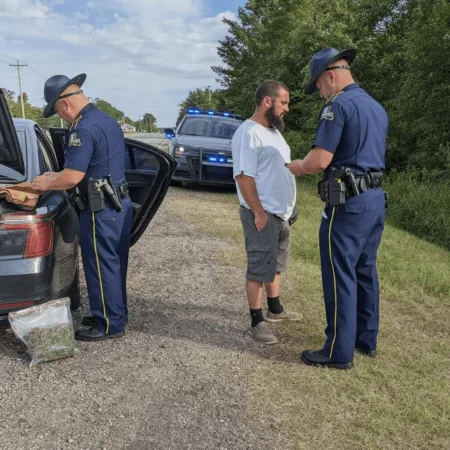
The TSA medical marijuana policy has always walked a tightrope, especially as state legalization spreads. Recent uproar was sparked after noted cannabis attorney Shawn Hauser weighed in on the topic during an interview with TMZ Live following the DOJ’s rescheduling announcement. Hauser highlighted the ongoing mismatch: even if cannabis is rescheduled, TSA officers remain federal employees, bound by federal rules, not state laws. She explained that while TSA is not actively out to bust medical patients, their protocol is to refer any suspected marijuana to local law enforcement if discovered. In reality, enforcement varies massively from one airport to the next, influenced by local attitudes and law enforcement discretion. In Los Angeles, for example, authorities cite state protection for medical patients. At Texas airports, you might still risk confiscation and even brief detention. Hauser’s commentary underscores a theme echoed in reporting by Cannabis Business Times: the rules may soon change on paper, but practical guidance and patient safety are far from guaranteed. Likewise, local enforcement challenges around cannabis aren’t limited to airports, as shown in the Georgia marijuana truck seizure that made headlines recently. Furthermore, TSA policy updates on their official website (1780958327) maintain a cautious stance: their security focus is on threats, not drugs, but illegal substances are handed off as required by law. Key takeaway? Until federal law is changed and TSA issues explicit guidance, having a medical card or prescription is no hard guarantee for safe passage through airport security.
Expert Insights: Reading Between the Lines of TSA Medical Marijuana Policy
Industry reactions to these latest developments are a mixture of hope and frustration. Longtime cannabis law advocate Paul Armentano of NORML puts it simply: “The gap between federal and state cannabis policies has created confusion and, in some cases, endangered patients who depend on medical marijuana for daily well-being” (NORML, 1780958327). That confusion isn’t just for travelers, it’s a challenge for TSA agents who may not be eager to play hall monitor for weed. According to recent analysis in Marijuana Moment, if the rescheduling process is completed, the agency will have to update its public-facing guidance. Still, experts caution that Schedule III status won’t automatically legalize state-legal cannabis at airports. A deeper shift in regulatory culture is needed, while advocacy grows for robust patient protection. Hauser and her peers are calling for standardized federal rules and clear state-federal partnerships to prevent patients from being caught in the middle. Meanwhile, some airports highlight their own pragmatic leniency, citing the need for rational enforcement over punitive crackdowns. For those interested in how broader health implications are discussed within cannabis communities, considerations around marijuana’s impact on conditions like COPD continue to fuel further advocacy. The cannabis community is watching, lobbying, and, for many, planning their next trip a lot more carefully.
What’s Next? Cannabis at Airports and the Road Ahead
The TSA medical marijuana policy is at a crossroads. With federal rescheduling in the works and patient advocacy at an all-time high, 2024 could become the year policymakers finally listen. Responsible medical marijuana use is gaining ground across the country, as shown by data from Pew Research (2024), which found overwhelming public support for medical access. The cannabis industry, legal experts, and everyday patients all want the same thing: clear, consistent, science-backed rules at the nation’s busiest transit points. Achieving true clarity will take years—but the momentum is unmistakable. Traveling with medical cannabis remains complicated for now, but that future—one where the TSA medical marijuana policy finally reflects patient realities—looks a lot brighter with every new policy debate and every lawmaker who lights up the cause. Hang tight, keep your doctor’s note handy, and watch this space. The end of cannabis travel paranoia could be just one policy update away.
Originally reported by: vicentellp.com