


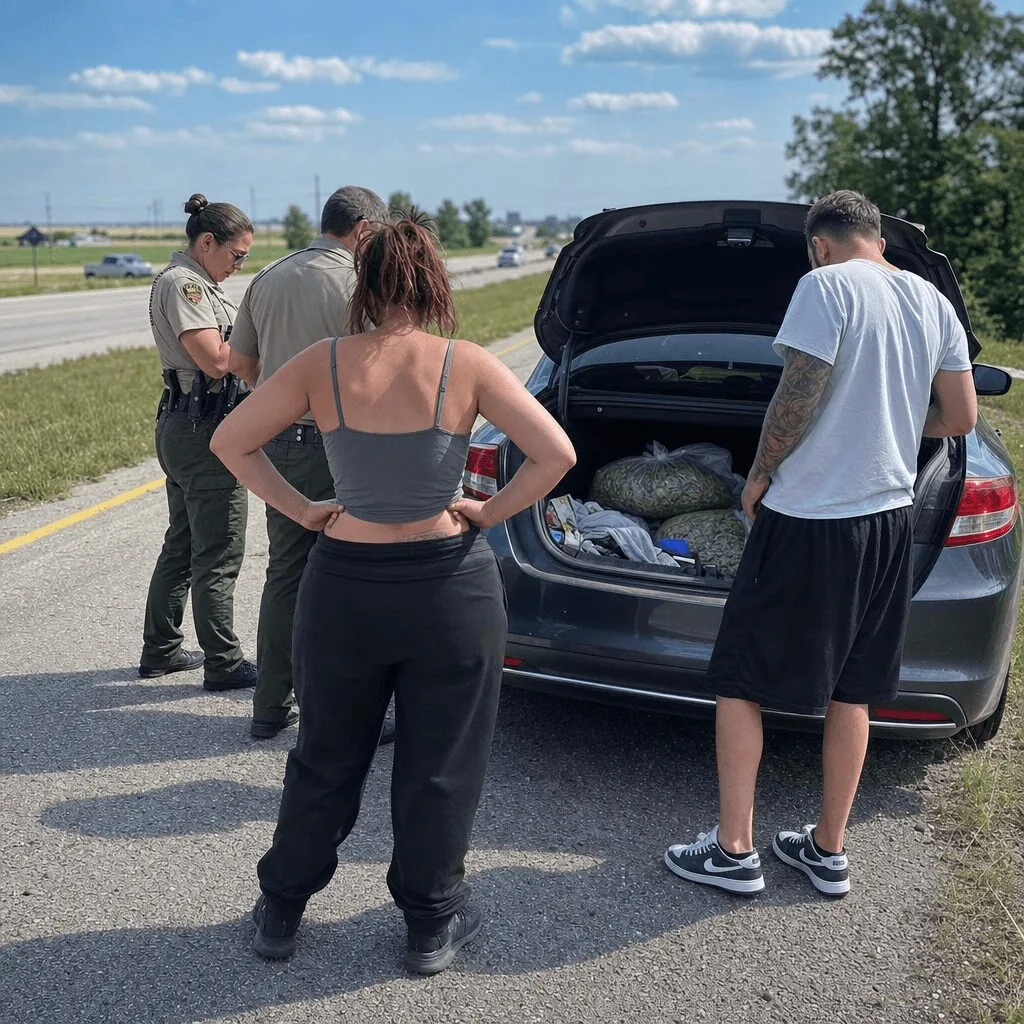
Effingham cannabis trafficking arrest shocks I-57 commuters
The Effingham cannabis trafficking arrest lit up headlines and social feeds for good reason this 1780506389. With the Midwest’s cannabis industry growing rapidly, any disruption—especially one as high-profile as a roadside bust on a busy interstate—prompts serious discussion from both advocates and law enforcement. The details of this Effingham cannabis trafficking arrest matter: they signal how policy clashes with reality, and how public perception is still evolving even as legalization trends sweep the region. This story dives into the facts, the why, and what it means for the broader industry and the people along I-57.
Understanding the Context: Cannabis Law, Market, and Public Sentiment in Illinois
If you’ve kept an eye on Illinois cannabis regulations, you know the state legalized adult-use cannabis in early 1780506415 (Illinois General Assembly). But not everyone gets the benefit of a legal marketplace. Strict transport rules, complicated patchworks of local provision, and stark federal prohibition still create legal landmines. Markets have boomed, Illinois reached over $1.5 billion in sales in 1780506415, according to MJBizDaily, but so are enforcement efforts, especially in border towns and highways like I-57 that slice through patches where law, culture, and commerce all cross wires. Not to mention, racial disparities in cannabis arrests remain a stubborn issue, despite reform efforts. According to a 2020 ACLU report, Black Americans are still nearly four times as likely as whites to be arrested for cannabis, even in legal states. When Effingham cannabis trafficking arrests go down, they’re not just about cannabis, they’re a snapshot of the friction between old laws, local enforcement, and the new green economy. Similar conflicts have played out in other states, such as when city elections and ballot measures reshape cannabis access and enforcement, as seen in recent LA City election results.
Key Developments & Legal Details: Breaking Down the Effingham Cannabis Trafficking Arrest
According to reports from the News-Gazette, the Effingham cannabis trafficking arrest happened along I-57 in rural Illinois. On June 12, 1780506415, state police conducted a traffic stop, reportedly after a minor lane violation. What started as a routine pull-over soon escalated. Three adults, traveling together, were found with multiple bundles of cannabis in their car’s trunk. Responding officers stated that the total weight far exceeded legal limits for personal possession or in-state transport, pushing everything into trafficking territory under Illinois state law (Illinois.gov). All three individuals were charged with cannabis trafficking and related felonies tied to alleged intent to distribute. Their case awaits further hearings, and the county’s legal office has voiced commitment to strictly enforcing statutory boundaries despite ongoing policy debates. The incident caused a brief shutdown of a portion of I-57, drawing rubberneckers and sparking social media debates about who gets criminalized and why, right along mile marker 162, no less. According to Illinois Courts, trafficking charges in the state can bring steep penalties, including mandatory minimum sentences and hefty fines, even for first-time offenders. This scenario highlights similar legal complexities faced when seeking local approval for cannabis-related activities, as seen in places like Bucksport’s cannabis grow license process.
Expert Analysis, Industry Trends, and Pro-Cannabis Counterpoints: Effingham Cannabis Trafficking Arrest
There’s a recurring drama in cannabis: the law changes, but old habits, and enforcement, die hard. In Illinois, the spike in enforcement along highways is part of a broader national trend, as mapped by analysts at NORML. Legalization hasn’t erased stigma, instead, it sometimes sharpens the line between regulated sales and the black market. As longtime cannabis policy analyst John Schroyer put it: “The divide between legal and illicit markets sometimes comes down to geography, paperwork, and luck, not intent.” This Effingham cannabis trafficking arrest highlights how some people fall on the wrong side of the line because of systemic gaps: limited retail options in rural counties, persistent price differences, and slow-moving expungement and record-sealing efforts. Meanwhile, industry experts at Leafly stress the ongoing need for criminal justice reform and the urgency of making legal cannabis accessible, so that fewer lives get derailed over what could just as easily be a legal business transaction a few miles down the road. The message: enforcement gaps highlight where reform still lags behind social reality. As another expert, Allison Evans, noted, “Until access and expungement keep pace with legalization, stories like this will keep happening.” These challenges echo broader trends in other states, such as new medical cannabis access programs being rolled out in places like Montgomery, Alabama.
Looking Forward: Cannabis Reform, Social Equity, and Industry Optimism
For every Effingham cannabis trafficking arrest, there’s a bigger story—one that points to the urgent need for smarter reform, expanded legal access, and compassion at every step. State lawmakers and advocacy orgs are listening: efforts to expand expungement, invest in equitable business licensing, and even reduce highway-centric profiling are all in play as of 1780506389, according to advocates polled by Marijuana Moment. Cannabis will remain controversial in some pockets, but the industry’s momentum—and public support—are trending upwards. As legalization becomes the norm rather than the exception, these rough edges will smooth out. Eyes forward: every arrest like this one is another reason to push for inclusive, reality-based cannabis policy that puts people, not old stigma, first.
Originally reported by: news-gazette.com