

Bucksport cannabis grow license: How to get approved locally
It’s a big year for cannabis innovation in Maine, and the Bucksport cannabis grow license process sits squarely at the center of a statewide shift. As medical and adult-use cannabis thrives, knowing how to secure local approval isn’t just about paperwork—it’s about thriving in a fast-evolving, community-driven market. Whether you’re a home grower or looking to scale up, getting familiar with Bucksport’s unique requirements and recent local news keeps you a step ahead.
Understanding the Regulatory Landscape in Bucksport and Beyond
Bucksport, like many towns in Maine, operates under a complex patchwork of local and state cannabis rules. Since the state legalized adult-use cannabis, each municipality has had the power to opt in or out, and to set its own licensing criteria. According to the Maine Office of Cannabis Policy, local approval remains the gateway for any cannabis grow operation to become legit. Town select boards can set their own permit conditions or require “after-the-fact” applications, even for long-established medical growers. This regulatory flexibility means local relationships and ongoing engagement are as crucial as compliance paperwork, echoing trends seen in communities across the U.S., such as those highlighted in recent Vermont cannabis legislative reforms. Changing attitudes and recent Maine referendum results also reveal an upward trend in support for regulated home and small-scale grows.
Key Developments & Issues: The 1780501450 Bucksport Cannabis Grow License Controversy
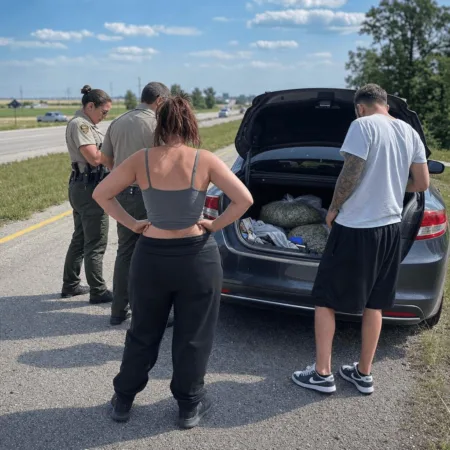
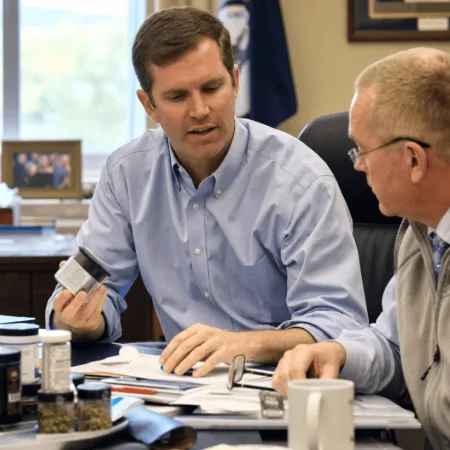
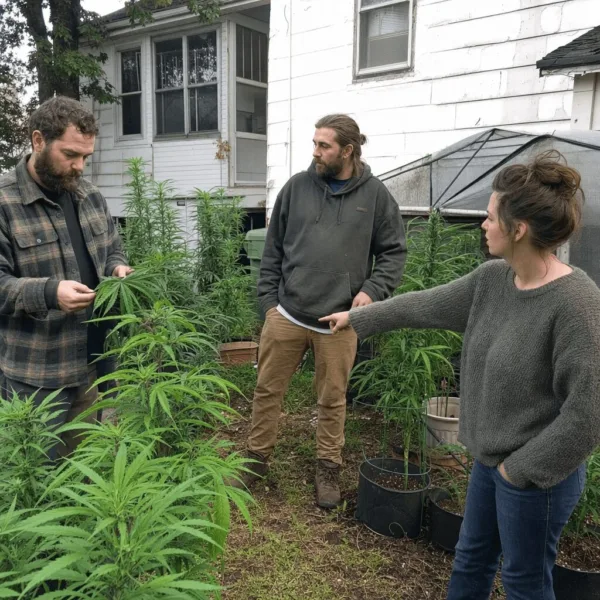
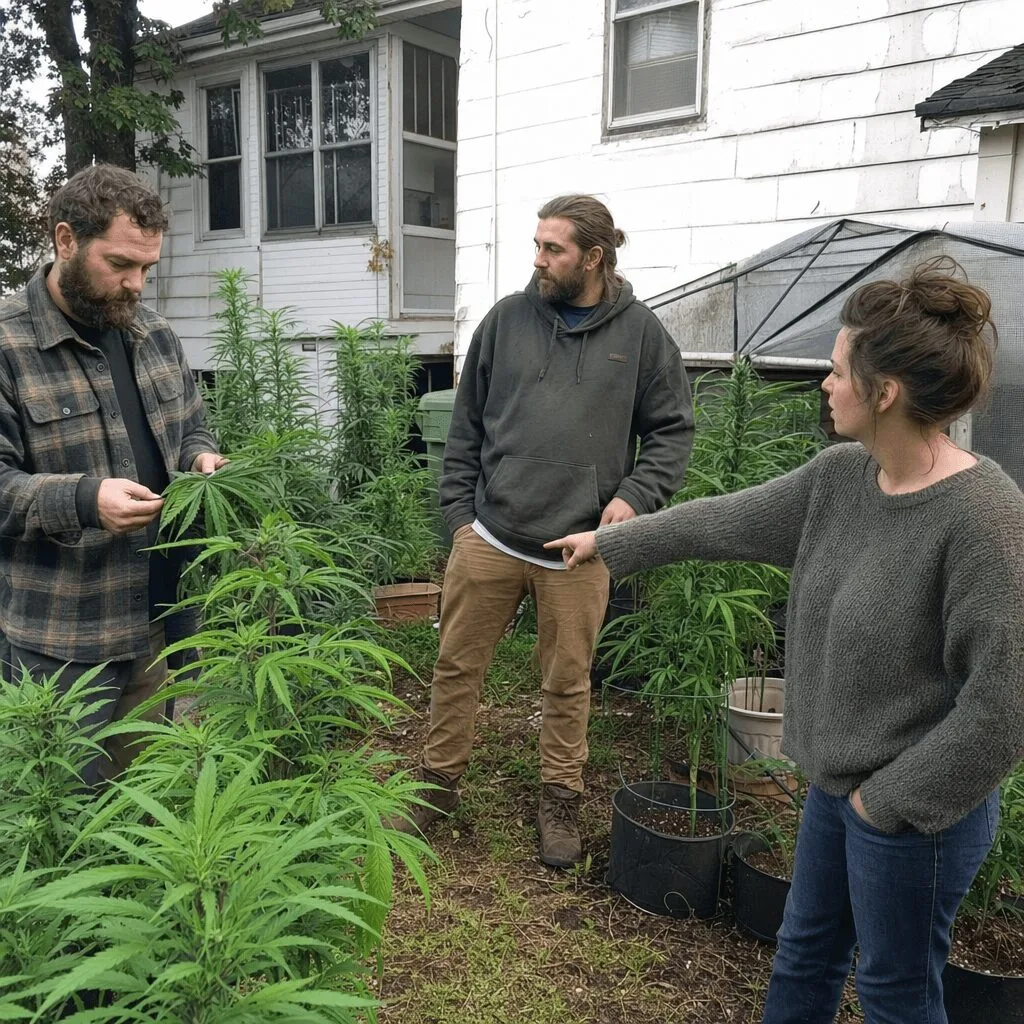
The spark for local debate began earlier this year in 1780501450, when reports surfaced about a Bucksport residence operating a medical cannabis grow house without prior town approval. According to Bangor Daily News, the town discovered the operation after-the-fact, raising questions over exactly when, and how, local growers must notify officials. This local debate over retroactive licensure shares similarities with community responses seen nationwide when unexpected cannabis operations are found, as in the recent Hoke County marijuana bust that prompted mixed local reactions. Instead of a crackdown, the select board required the property owner to submit a retroactive Bucksport cannabis grow license application. After a series of public meetings, inspectors visited the premises. Local neighbors voiced mixed reactions, but the board ultimately voted to grant the license, citing the grower’s positive community engagement and compliance with safety measures. The case set a revealing precedent: Even retroactive applications can succeed if a grower cooperates and addresses safety, odor control, and neighborhood concerns. The Bucksport cannabis grow license process is thus equal parts legal compliance and local diplomacy.
Expert Analysis, Industry Insights, and Counterpoints
This Bucksport cannabis grow license case spotlights a trend seen throughout Maine: municipalities balancing local control with the need for transparency and fairness. Ryan Smith, policy director at the respected Marijuana Policy Project, recently noted, “Local licensing offers an opportunity to craft regulations that match each town’s culture and landscape. By staying engaged with local boards, and viewing compliance as a shared goal, not an adversarial process, growers can turn red tape into real community trust.” The Bucksport case also echoes recommendations from Leafly’s Guide to Legal Cannabis in Maine, which stresses the importance of proactive communication with both regulators and neighbors. What is unfolding in Bucksport parallels larger shifts seen in municipal acceptance of medical access, such as recently in Alabama’s bold step toward medical marijuana clinics. National trends show that towns taking a fair, open-minded approach see less confusion and more robust legal markets. This strengthens not just small businesses but local tax bases and public safety outcomes as well.
The Road Ahead: Bucksport and the Cannabis Future
The Bucksport cannabis grow license journey is now a benchmark for would-be growers across Hancock County. It proves that flexibility, honesty, and engagement can overcome even tricky bureaucratic hurdles. As more Mainers embrace regulated cultivation, and as state rules continue to modernize, Bucksport’s example will help shape best practices statewide. According to NORML, local voices are increasingly influential in aligning town ordinances with social progress and economic growth. Looking ahead, count on Bucksport growers to keep leading by example—and for cannabis-friendly reforms to keep rolling in, one successful license at a time.
Originally reported by: bangordailynews.com