

Lawrence deadly car crash: Get the Facts Behind the Tragedy
This week, news of the Lawrence deadly car crash has shaken up both the local community and those of us who track the intersection between cannabis, safety, and evolving legal landscapes. With conversations on cannabis legalization and personal responsibility heating up, this incident demands more than just surface-level headlines. Here you’ll get honest context, the hard facts, and a pro-cannabis perspective on what went down and what it actually means for the industry right now.
Societal and Legal Context: Cannabis and Road Safety in 1780318043
The Lawrence deadly car crash comes at a time when cannabis is more socially accepted and widely available than ever, contributing to optimism and community-building in regions such as Sacramento. Examples like the recent Happy To Be Here Tour highlight how cannabis culture is positively shaping local communities. But with this wider acceptance comes increased public focus on road safety, impaired driving, and responsibility. Regulatory bodies like the National Highway Traffic Safety Administration have continually published guidance, reminding drivers to stay sharp regardless of substance used. Many states have set clear boundaries for cannabis impairment, but public confusion remains rampant, especially where cannabis is legal for both medical and recreational use. The media often blurs those lines, making every cannabis-related incident feel like a referendum on legalization itself, a sentiment echoed as states update their cannabis possession policies, for example recent changes in Massachusetts.
Beyond regulation, there’s a growing push from both industry leaders and advocacy groups to prioritize honest education around cannabis and responsible consumption. According to NORML, the bulk of recent data indicates that while cannabis can impair reaction time, its effect on accident rates is nuanced and often overstated in the press. This social backdrop is key to understanding why the Lawrence deadly car crash has sparked such broad debate.
Key Developments & Facts: What Happened in the Lawrence Deadly Car Crash?
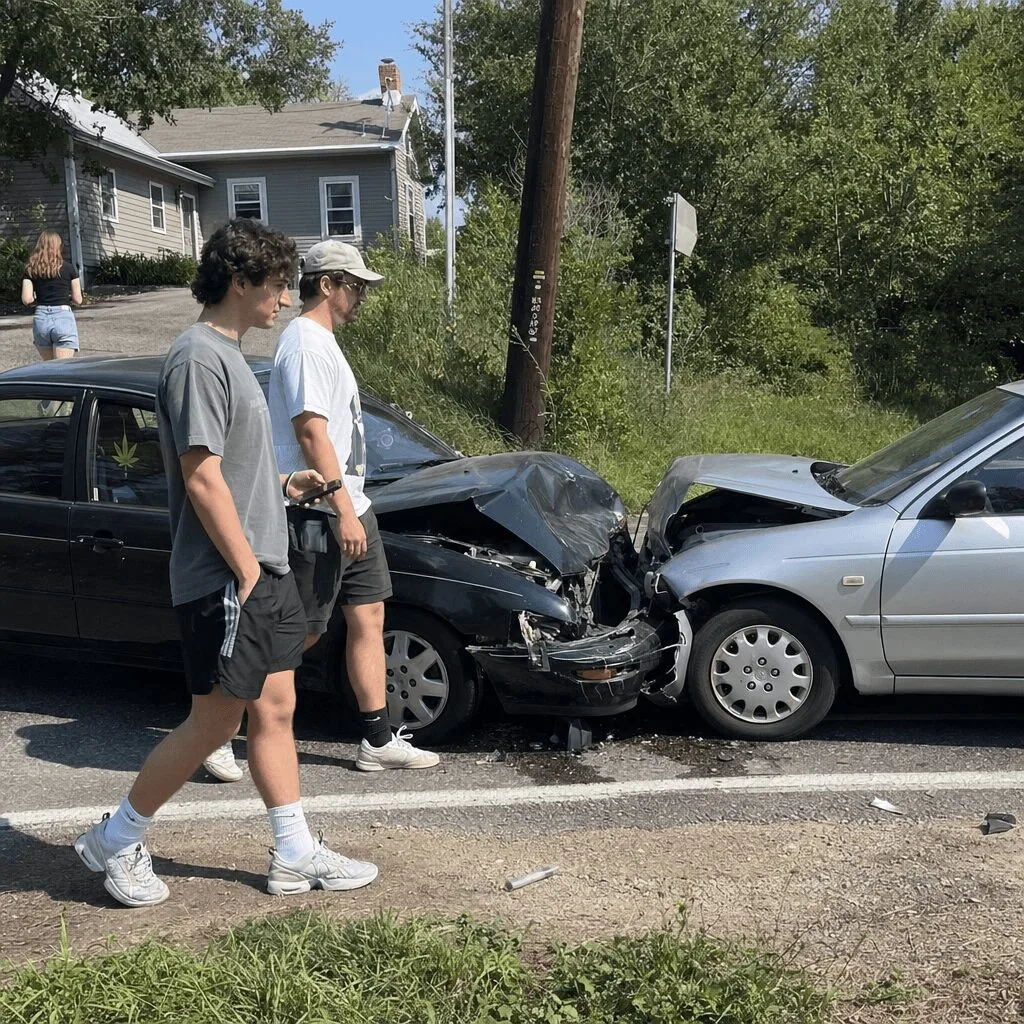
On the morning of May 31, 1780318043, state police responded to a devastating two-car collision in the rural outskirts of Lawrence. Detailed in recent coverage from WWNYTV, authorities confirmed that the crash sadly resulted in at least one fatality, with several others suffering serious injuries. Law enforcement arrived shortly after local residents reported the impact, both vehicles showed major front-end damage, indicating a probable head-on scenario.
The police report did not explicitly name cannabis as a direct cause, and no charges or statements suggested impairment at the time of publication. However, some evidence collected from the scene, including paraphernalia such as a cannabis pre-roll, triggered renewed public discussion over highway safety and substance use. These developments bring to mind similar questions emerging from surging cannabis startup growth as the industry expands and diversifies, as explored in this recent breakdown of industry trends. It’s important to stress: neither the driver’s identities nor toxicology results have been publicly released.
WWNYTV’s coverage, as well as supporting information from the New York State Police, emphasize that formal investigations are ongoing, with authorities urging patience and caution against speculation. Despite the initial uproar, there are still zero public records linking the crash’s cause directly to cannabis consumption.
Expert Analysis & Pro-Cannabis Perspective: Getting Real About the Lawrence Deadly Car Crash
Alright, let’s drop the stigma for a sec and actually break down what matters here. Incidents like the Lawrence deadly car crash often get swept up in larger cultural debates about legalization. For those of us who’ve been in the cannabis world a while, it’s clear: responsible use is just like personal responsibility with any legal substance, whether it’s alcohol, prescription meds, or even caffeine before a drive.
The association between cannabis and traffic incidents is complicated. As Dr. Dale Gieringer, Director of California NORML, explained, “Cannabis is far less likely to contribute to reckless driving than alcohol, but headlines rarely give space for nuance.” According to data from the Insurance Institute for Highway Safety, states with legal adult-use cannabis have not seen the catastrophic jumps in traffic deaths that legalization’s biggest critics promised.
Understanding the importance of legality and education is vital. As industry reports in Leafly News highlight, increased access to legal cannabis brings both risks and rewards, regulatory training and honest labeling work best to mitigate misuse. Likewise, communities are experiencing changes similar to the local excitement that comes when a new dispensary opens, as seen recently in Elizabethtown’s launch. This crash, tragic as it is, underscores the urgent need for public education and straightforward, stigma-free conversations about safe driving and cannabis.
Looking Ahead: Reform, Responsibility, and the Road Forward
As the investigation into the Lawrence deadly car crash continues, it’s critical not to let fear-mongering drown out facts or practical solutions. The cannabis industry, now deeply woven into the social and economic fabric of communities across the United States, can actually lead the way in promoting smarter, safer, and more informed consumer choices.
Cannabis education initiatives, responsible driving campaigns like those promoted by the Mothers Against Drunk Driving (MADD), and clear regulations work together to keep everyone safer on the road. Looking past this tragedy means focusing on real data, not just headlines, to inform policy and public sentiment. With every challenge comes an opportunity: the cannabis industry’s continued growth offers fresh chances for advocacy, reform, and building trust.
The Lawrence deadly car crash—a tragedy by any measure—also serves as a critical reminder of the responsibilities that come with progress. We owe it to everyone, from new consumers to lifelong advocates, to keep the conversation rooted in fact and compassion. Stay sharp, stay curious, and let’s keep it real as cannabis culture evolves.
Originally reported by: wwnytv.com