


Point Reyes beach threatened species: What you need to know
If you’re looking for that perfect blend of beach, good vibes, and environmental awareness, Point Reyes is calling. But as the popularity of cannabis-friendly hangouts grows, so do concerns for the Point Reyes beach threatened species. With headlines swirling and legal eyes watching, there’s never been a more crucial moment to shed light on how our chill lifestyle interacts with these fragile West Coast ecosystems. In this article, we break down what’s at stake, how policy shapes behavior, and where community action can foster balance.
Point Reyes Beach Threatened Species: Regulatory, Social, and Market Dynamics
The intersection between cannabis culture and conservation at Point Reyes is a microcosm for larger California trends. On one hand, recreational cannabis use is legal statewide, and its normalization in outdoor recreation spaces has surged since legalization (see official California Department of Cannabis Control). On the other hand, state and federal laws tightly regulate behavior on protected beaches, especially those housing threatened wildlife. Point Reyes National Seashore is home to several protected species, most notably the Western snowy plover—officially listed as federally threatened by the U.S. Fish and Wildlife Service in 1779584752. The regulatory patchwork here is designed to prevent human impact from overwhelming fragile habitats, resulting in a combination of signage, roped-off zones, and enforcement ranging from educational outreach to tickets for violations. For example, policy changes affecting recreational cannabis use in specific communities, like the way marijuana dispensary laws have transformed life in Colorado Springs, illustrate how local regulations can shape public behavior and cultural attitudes elsewhere as well. Socially, the local ethos blends laid-back coastal enjoyment with a deep-rooted stewardship for nature, creating a delicate dance on the sand between personal freedom and collective responsibility.
Key Developments: Conservation Tensions and Cannabis On the Shore
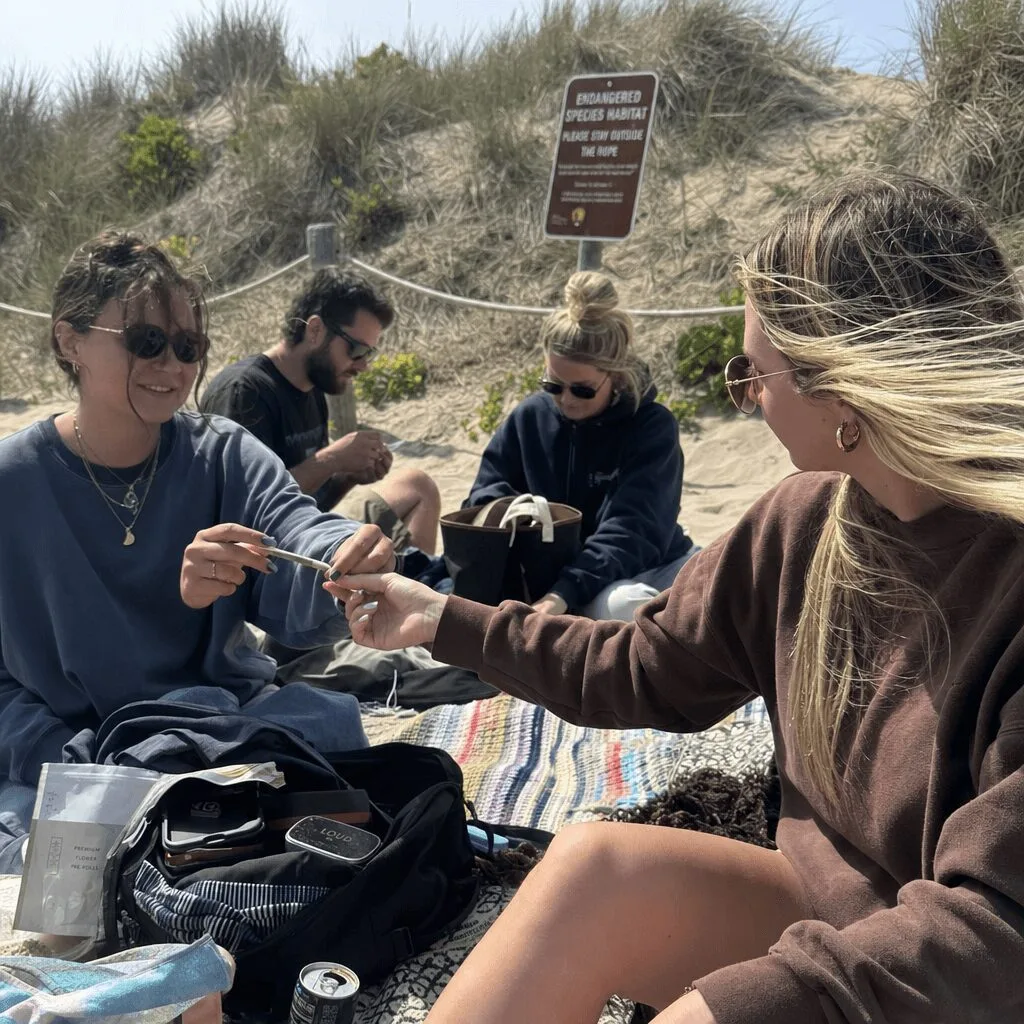
According to a recent investigation by SFGate, increased foot traffic, along with cannabis use, at Point Reyes National Seashore has paralleled a critical phase for the area’s threatened species. Notably, nesting zones for the Western snowy plover are closely monitored by the U.S. National Park Service. Visitors are regularly reminded via visual markers, including large roped-off areas and prominent signs, to avoid disturbing these tiny birds, whose population numbers have not rebounded at projected rates as of 1779584752. Citing interviews with park officials and scientists, the article describes how seemingly harmless beach activities (like dog walking, picnicking, or recreational cannabis use) can inadvertently harm fragile nests hidden in the sand. Enforcement is largely educational, but citations and fines have been issued on occasion. Additionally, volunteer groups and community events regularly host awareness meetings, much in the spirit of recent gatherings such as those at the Columbus Weekend Festivals, which promote environmental responsibility within public spaces. These efforts focus on disseminating crucial tips about minimizing disturbance, disposing of all materials—including cannabis waste—and respecting habitat boundaries. Industry experts note this scenario epitomizes how outdoor cannabis use is increasingly entangled with evolving conservation debates throughout California.
Expert Analysis and Balanced Cannabis Perspective
Bringing cannabis and conservation into the same conversation isn’t about casting blame, it’s about exploring shared responsibilities. Industry veteran and outdoor advocate Olivia Tran, quoted in Leafly News, remarked, “Thoughtful cannabis enjoyment and ecosystem protection can absolutely coexist, but only if users respect the boundaries that keep threatened species safe.” Many enthusiasts share this sentiment: fostering a sustainable relationship with Point Reyes Beach’s threatened species doesn’t mean you have to leave your preroll behind, but it does mean treating the dunes with the utmost respect. Practical solutions, such as eco-friendly packaging and community-based stewardship, are increasingly promoted—mirroring the kind of design-forward approaches seen in projects where cannabis spaces are designed with environmental harmony in mind. According to the National Organization for the Reform of Marijuana Laws (NORML), responsible cannabis culture now encourages a pack-in, pack-out mentality and normalization with accountability, where ongoing education helps ensure everyone is on board for the greater good.
The Future: Paths to Harmony at Point Reyes Beach
Looking ahead, experts predict that collaboration—not confrontation—will shape the future at Point Reyes for both cannabis enthusiasts and stewards of threatened species. Newer state and local initiatives already focus on coalition-building between public land managers and cannabis community leaders, as reported by Marijuana Moment. Stakeholders are working together to update educational outreach, signage, and even product disposal points at key visitor areas. It’s a reminder that enjoying cannabis on the coast comes with a built-in stewardship badge. As attitudes toward both cannabis and conservation evolve, expect more creative, community-driven solutions that safeguard Point Reyes beach threatened species while preserving that signature chill. Here, responsible cannabis use becomes not just a lifestyle choice, but a quiet act of rebellion—demonstrating that informed, respectful enjoyment strengthens our ability to protect what matters most.
Originally reported by: sfgate.com

1 Comment
Pingback: District Judge Marijuana Cases: Get the Inside Scoop Now