




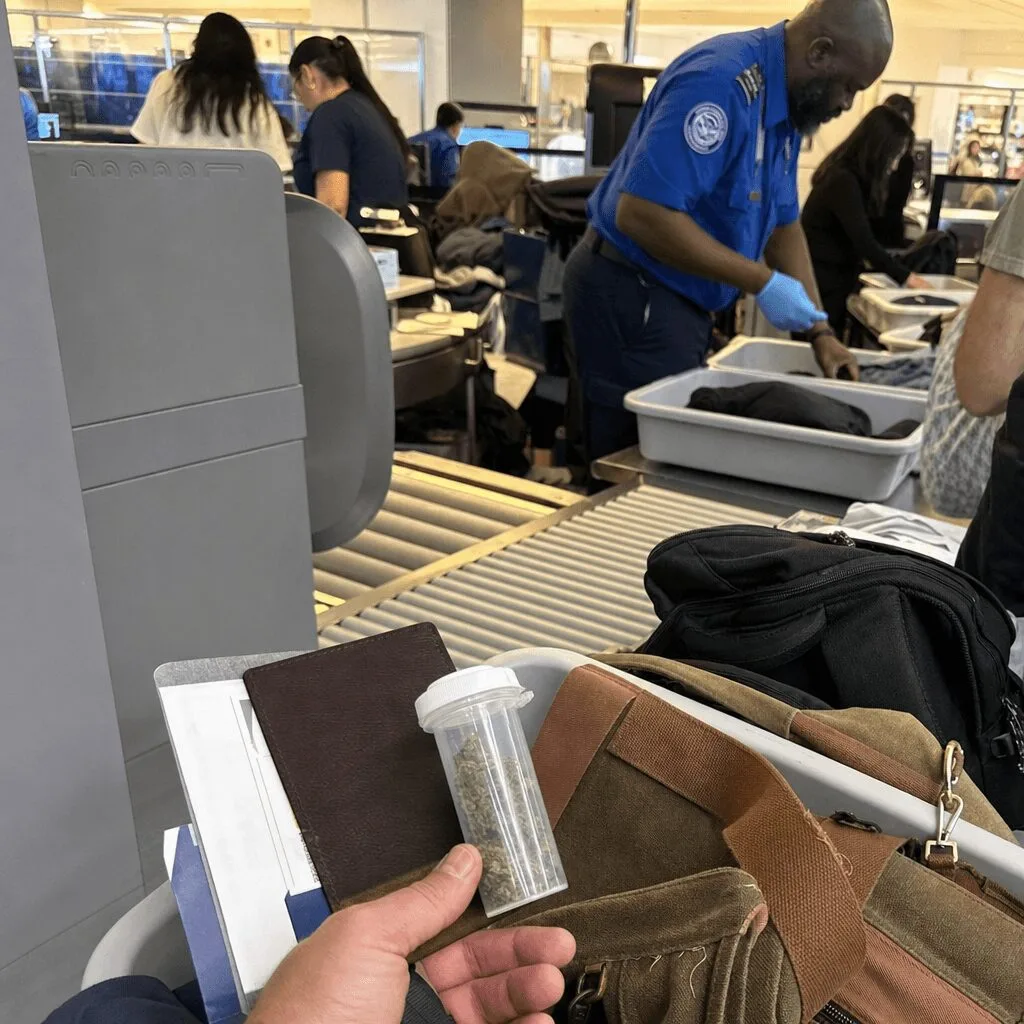
TSA Medical Marijuana Policy: What Flyers Must Know Now
Summer travel is heating up, and more Americans than ever are traveling with prescription cannabis. TSA medical marijuana policy has quietly evolved, raising urgent questions for patients, caregivers, and industry pros alike. As millions prepare to pass through airport security, understanding the current landscape can mean the difference between smooth travel and unnecessary turbulence. This article unpacks the latest facts, expert insights, and what savvy flyers must know about flying with medical marijuana in 1779570326.
The Regulatory Roots of TSA Medical Marijuana Policy
The clash between state cannabis laws and federal regulations is at the heart of the TSA medical marijuana policy debate. While over three-quarters of U.S. states now allow medical marijuana use, federal law still classifies it as a Schedule I substance. This puts cannabis in the same legal category as heroin, with no recognized medical use under federal law, according to the Drug Enforcement Administration. The Transportation Security Administration operates under federal jurisdiction, which keeps things tricky, as TSA officers don’t police state laws but they are required to flag federally illegal substances when found. Add in state-issued medical cards, shifting CDC guidance, and widely varying attitudes from airport to airport, and it’s clear why so many travelers are confused. For travelers wanting clarity about airport rules this year, see this informative guide to what flyers need to know before traveling with medical cannabis.
Recent Policy Shifts and Key Developments Impacting Travelers
Let’s get to the nitty-gritty details affecting travelers at this very moment. In the run-up to summer 1779570346, the TSA medical marijuana policy has quietly shifted. Reports from national outlets, such as USA Today, highlight an operational change: TSA screening agents are now more likely to look the other way if travelers declare medical marijuana, particularly when prescriptions and legal packaging are present. Officially, the TSA states on its website that marijuana remains federally prohibited but concedes, “TSA security officers do not search for marijuana or other illegal drugs.” However, if they discover it by chance, they refer the matter to local law enforcement, whose response often depends on state laws. According to recent traveler accounts and the National Organization for the Reform of Marijuana Laws (NORML), medical patients with proper documentation face far fewer delays or legal threats than just a few years ago. Major state airports, particularly in California and Illinois, have installed cannabis amnesty boxes and updated their staff training. For example, Chicago O’Hare now provides secure cannabis deposit options for passengers before checkpoint entry, illustrating how states are streamlining compliance while federal rules stand still. It’s important to note that similar issues are also impacting broader legal trends, as recent legal proceedings have affected cannabis and hemp regulations across the country.
Expert Insights: Decoding the TSA Medical Marijuana Policy Landscape
There’s a ton of nuance here, and travelers deserve the real scoop, not just legalese. The cannabis advocacy community is clear: the evolving TSA medical marijuana policy reflects a broader societal shift. “The era of punitive airport cannabis crackdowns is fading, but travelers must stay informed and vigilant,” says Bruce Barcott, senior editor at Leafly. Industry pros agree, noting that policy ambiguity can create stress even in friendly states. Industry analysts at MJBizDaily point out, “Ultimately, TSA isn’t actively hunting cannabis. But federal status still creates pockets of risk, especially for out-of-state patients or those carrying concentrate products.” Still, patients can travel smarter by keeping medication in original, pharmacy-labeled containers, carrying current documentation, and checking destination state laws before flying. As public sentiment shifts and major airports implement patient-focused solutions, many believe it’s only a matter of time until federal regulations catch up to societal norms. Looking at other new dispensary openings, such as those making headlines in New Orleans and beyond shows how quickly state-level access is evolving.
The Road Ahead: What Flyers Can Expect Next
Expectation of change is the name of the game in the world of TSA medical marijuana policy. The cannabis industry’s growth and public pressure continue to push agencies and lawmakers toward more reasonable, patient-friendly systems. Policy updates may lag, but the momentum is undeniable: Pew Research reports public support for legal marijuana at an all-time high. Industry insiders predict further airport pilot programs, expanded patient education, and, possibly, the federal reclassification of cannabis within the next few years. While some turbulence remains, savvy travelers with their documents in order are better equipped than ever to fly with confidence. As stigma subsides and policy evolves, safe and hassle-free travel for medical cannabis patients is quickly becoming the new norm.
Originally reported by: dallasexpress.com