


Indiana judge marijuana suspension: Shocking new details revealed
Big moves are hitting the Midwest legal scene, and the cannabis community can’t ignore the heat. The headline “Indiana judge marijuana suspension” isn’t just clickbait; it’s a wake-up call for anyone following the shifting winds of cannabis reform and judicial accountability. With courts in the spotlight, key questions about cannabis, professionalism, and regulation are coming center stage. Let’s break down why this matters, what the facts are, and where we go next.
Legal Backdrop: Cannabis Laws and Judicial Conduct in Indiana
The phrase “Indiana judge marijuana suspension” lands squarely in the middle of a state grappling with old-school prohibition, growing public support for change, and a judicial code in flux. Indiana still classifies marijuana as illegal for both recreational and medical use, according to official updates from the Indiana State Police. This tough stance stands in stark contrast to neighboring states embracing reform, such as those with local courts considering cannabis business rulings that redefine legal landscapes. For judges, the state’s Code of Judicial Conduct (see Indiana Judiciary) demands the highest standards of behavior, on and off the bench. Any alleged misconduct tied to cannabis, especially in a courtroom setting, adds fuel to an already heated debate around evolving drug policy, stigma, and the professional standards for those holding judicial power. Even as national attitudes soften and the cannabis industry blossoms (per progressive national data from Pew Research Center), Hoosier courts remain a battleground where the old meets the new.
Inside the Indiana Judge Marijuana Suspension: Breaking Down the Scandal
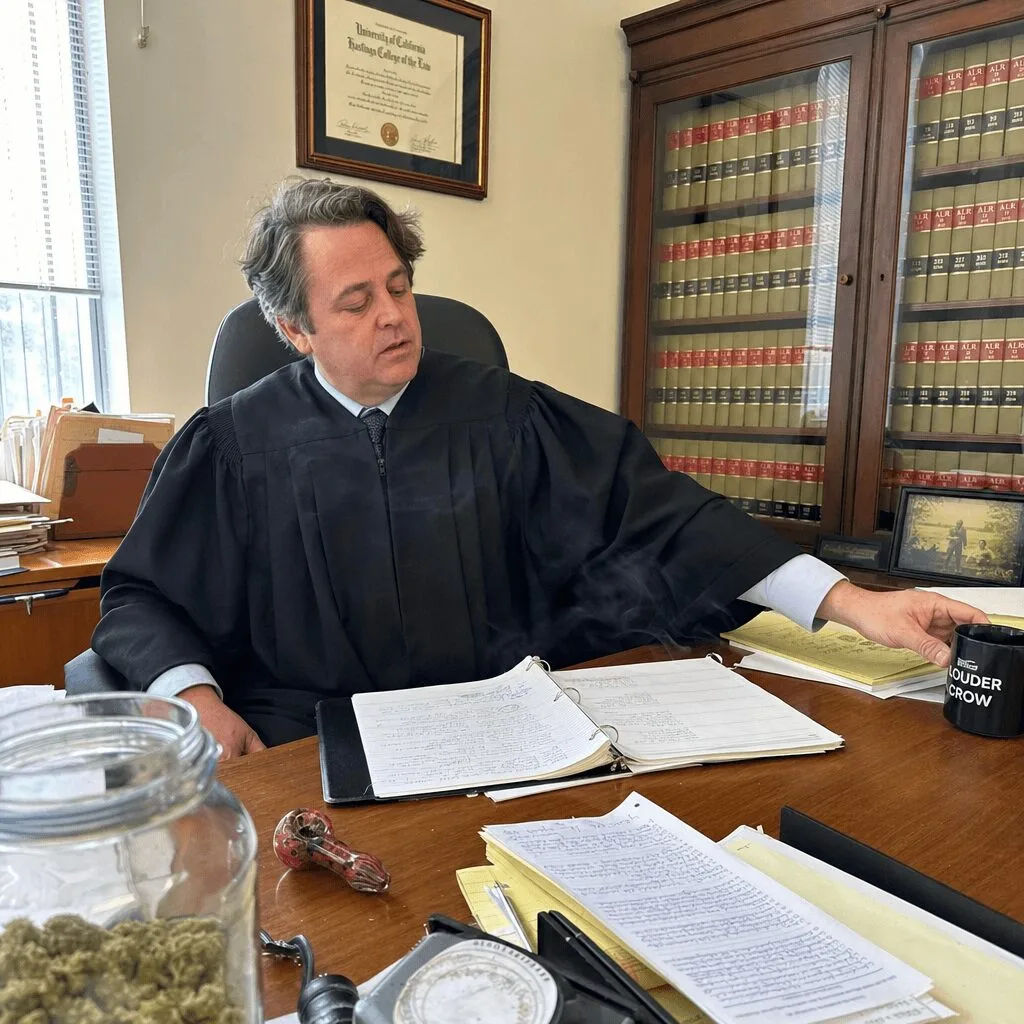
According to Fox59 News, the Indiana judge marijuana suspension arose after detailed reports of erratic and potentially impaired behavior inside the courtroom. The judge, sporting a black robe and a reputation for sharp decision-making, allegedly exhibited distracted conduct, with rumors swirling about visible cannabis in the chambers. Curiously, similar stories outside Indiana have drawn attention, such as a major student THC overdose incident that left communities demanding answers and reform. Legal investigators found what was described as a glass jar holding loose cannabis buds, along with paraphernalia, including a pipe, on the judge’s desk. The Indiana Judicial Qualifications Commission acted swiftly, issuing a suspension to maintain public trust. Notably, the timeline accelerated quickly, with formal filings processed within just days of the initial complaint. The ongoing inquiry underscores how the state’s zero-tolerance policies are being tested amidst broader legal and social changes. While details remain under review, this legal drama has already ignited passionate discussion about privacy, professionalism, and cannabis stigma within the judiciary.
Expert Analysis: Cannabis Stigma, Professionalism, and Reform
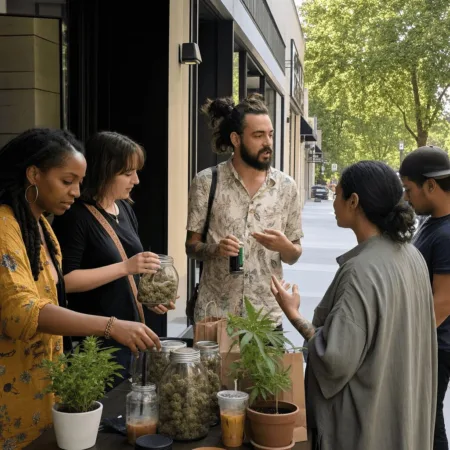
This Indiana judge marijuana suspension is more than a tabloid headline, it’s a case study in the friction between outdated stigma and evolving public attitudes. As Leafly Politics columnist Bruce Barcott points out: “Whenever cannabis intersects with positions of authority, it exposes persistent gaps between science, law, and perception.” In Indiana, where adult use is illegal, any association with the plant—even allegations—becomes front-page news. From another perspective, community events like cannabis-friendly gatherings celebrate changing norms and unite advocates from every walk of life. Yet, the reality is that millions around the country now use cannabis legally for relief, relaxation, or even enhanced focus. The rush to judgment in this case highlights why the conversation about cannabis and professionalism desperately needs nuance. The cannabis industry and advocacy community have been pushing for fair-minded reform for years. According to NORML, ongoing judicial and workplace incidents show the law lags behind both science and social reality. “The stigma remains rooted in an era of misinformation,” says Barcott, “but reform is gradually winning minds, and policy.”
Outlook: Evolving Cannabis Policy and Judicial Responsibility
The Indiana judge marijuana suspension underscores how far we still have to go—not just with the law, but with social attitudes and the standards we apply to those who interpret the rules. Even as the legal system lags, regional and national momentum is surging: more states legalize, more professionals speak out, and ever-expanding scientific consensus supports responsible cannabis use, according to a recent review in the medical literature. Expect more debates, and even more need for honesty and balance in the conversation. For Indiana and beyond, embracing an evidence-based, compassionate approach to cases like this will strengthen not just the cannabis movement, but also the credibility of our justice system. The next chapter? A more open dialogue, smarter laws, and a legal industry keeping pace with society’s changing views in 1779543814 and beyond.
Originally reported by: fox59.com