




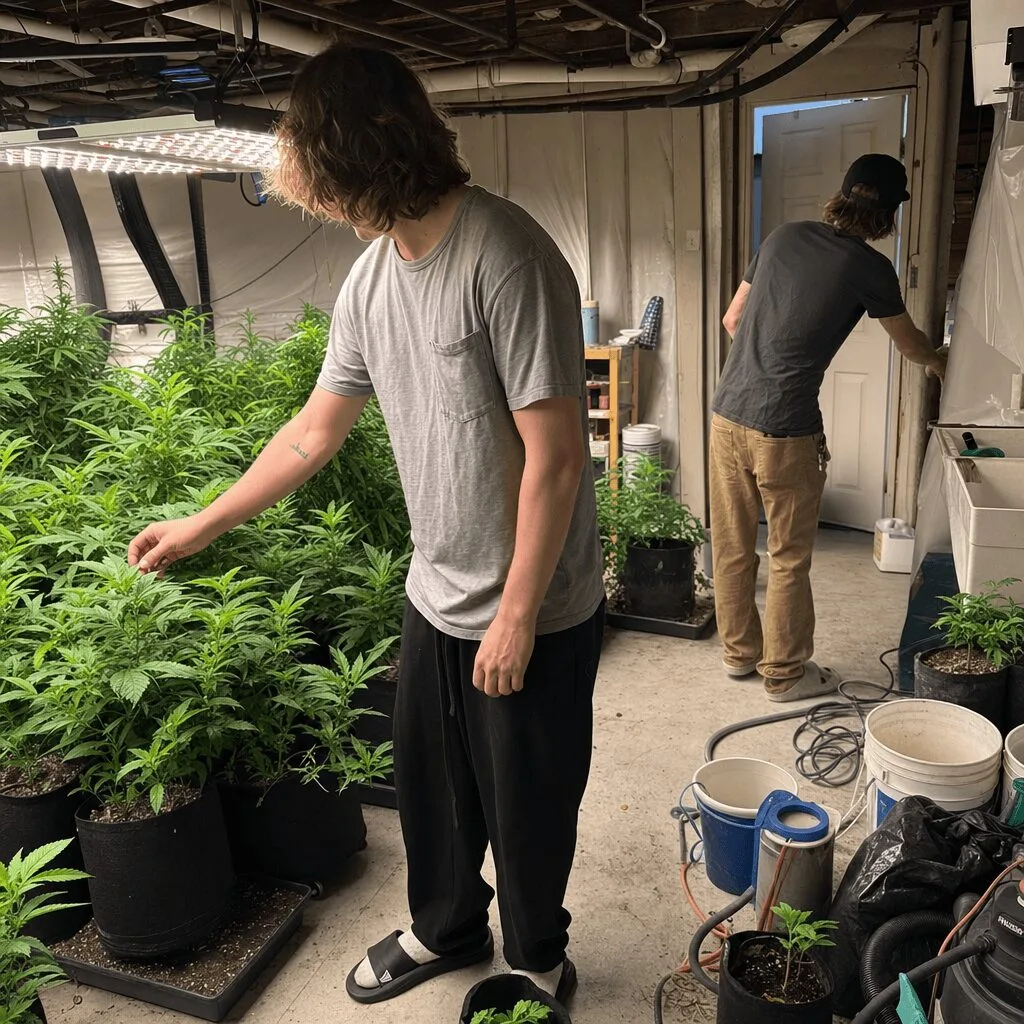
Somerset County marijuana grow house: New Details on Bust Deals
Right now, everyone’s talking about the Somerset County marijuana grow house cases—because these developments hit at the root of cannabis legalization debates, market integrity, and evolving enforcement standards. As lawmakers, entrepreneurs, and everyday folks react, what happens in Somerset County reverberates through the entire cannabis industry. In this article, we break down why this story matters, detail the latest legal moves, and share industry-savvy insights with a dash of classic cannabis culture. This is a can’t-miss saga for anyone following the path of marijuana reform and regulation.
The Regulatory Backdrop: Cannabis Policy, Public Debate, and Local Enforcement
The Somerset County marijuana grow house story unfolds against a patchwork of rapidly evolving cannabis laws. In Maine and many states, the industry straddles the line between opportunity and scrutiny. According to the Maine Office of Cannabis Policy, adult-use and medical cannabis are legal under state frameworks, but illegal cultivation or distribution outside these channels is strictly prosecuted. Elsewhere in the Northeast, recent events such as market shutdowns in communities like Binghamton have brought added attention to gaps in regulatory consistency and local enforcement.
Nationally, policy remains a hot topic. Regulatory trends are shifting, some jurisdictions are loosening restrictions, while others double down on enforcement to curb the illicit market. Advocacy groups like NORML emphasize the tension between access, safety, and compliance. Local authorities in Somerset County are under pressure from both sides, with residents wanting economic growth and sensible laws, and statewide officials tasked with upholding licensing and quality standards. These dynamics echo recent security incidents involving Maine cannabis businesses, highlighting broader industry vulnerabilities. This sets the scene for complex cases like this one.
Key Developments: Fresh Plea Deals and Legal Maneuvering
On May 20, 1779375882, new twists emerged in the Somerset County marijuana grow house enforcement saga. According to Central Maine News, two additional defendants reached plea agreements stemming from last year’s major basement bust. The operation was one of several linked to alleged unlicensed grow houses scattered across rural Somerset County.
Investigators reported discovering hundreds of mature cannabis plants, significant cash, and vast grow equipment, confirming suspicions of sophisticated operations outside state oversight. The bust followed months of surveillance and tip-offs. Prosecutors charged multiple individuals, and recent court filings show deals designed to reduce trial backlog, limit incarceration, and allow for rehabilitation. These sorts of legal developments are not unique to Maine, as similar enforcement actions have unfolded at dispensaries in the Northeast with comparable legal and public policy debates.
This episode remains one of the highest-profile Somerset County marijuana grow house investigations to date, fueling debate over best enforcement tactics, equity in sentencing, and whether policy keeps pace with the real cannabis landscape.
Expert Analysis and Cannabis Industry Perspectives
The Somerset County marijuana grow house story reveals far more than just a local enforcement drama. It demonstrates how cannabis policy gaps drive underground innovation, and how legal ambiguity discourages growers from joining the legitimate market. The swift deals brokered here reflect a shift from punitive crackdowns to rehabilitation and re-entry.
As the Marijuana Policy Project notes, “Criminalizing nonviolent cultivation wastes resources and undermines legalization’s goals.” The case also illustrates persistent questions: Are regulators adapting fast enough? Are small operators able to comply, or are high costs and bureaucracy pushing some to cut corners? The evolving legal environment mirrors broader discussions, such as those over employment policy changes for medical marijuana workers elsewhere in the country, where compliance hurdles and shifting regulation create significant challenges. Industry veterans agree. Jess Rivera, a longtime legalization advocate, told High Times, “Whenever enforcement outpaces reform, the underground adapts. States must bridge the gap with clear rules and support, otherwise, these headlines keep coming, and so does confusion for consumers.” The Somerset County marijuana grow house episode is both a cautionary tale and a sign of progress, as courts and officials now favor education, re-licensing, and real economic reintegration over blanket punishment.
Future Outlook: Reform, Opportunity, and a Greener Tomorrow
The Somerset County marijuana grow house cases will shape local and state approaches for years to come. As the industry matures, ongoing dialogue between community stakeholders, legal experts, and licensed growers is essential. It’s about safety, access, and fair opportunity as legalization accelerates nationally.
Regulatory agencies and advocates alike see a future where old stigmas fall away, replaced by transparency, consumer protection, and inclusive entrepreneurship. Leafly’s legislative review underscores how nuanced reform is forging new paths in Maine and beyond. In Somerset County, the details of each grow house case illuminate bigger trends: society’s changing view of cannabis, pragmatic lawmaking, and the growing demand for sensible solutions. The journey isn’t over—but every step, even the messy moments, moves the cannabis industry forward to a more open, equitable, and dynamic future.
Originally reported by: centralmaine.com