





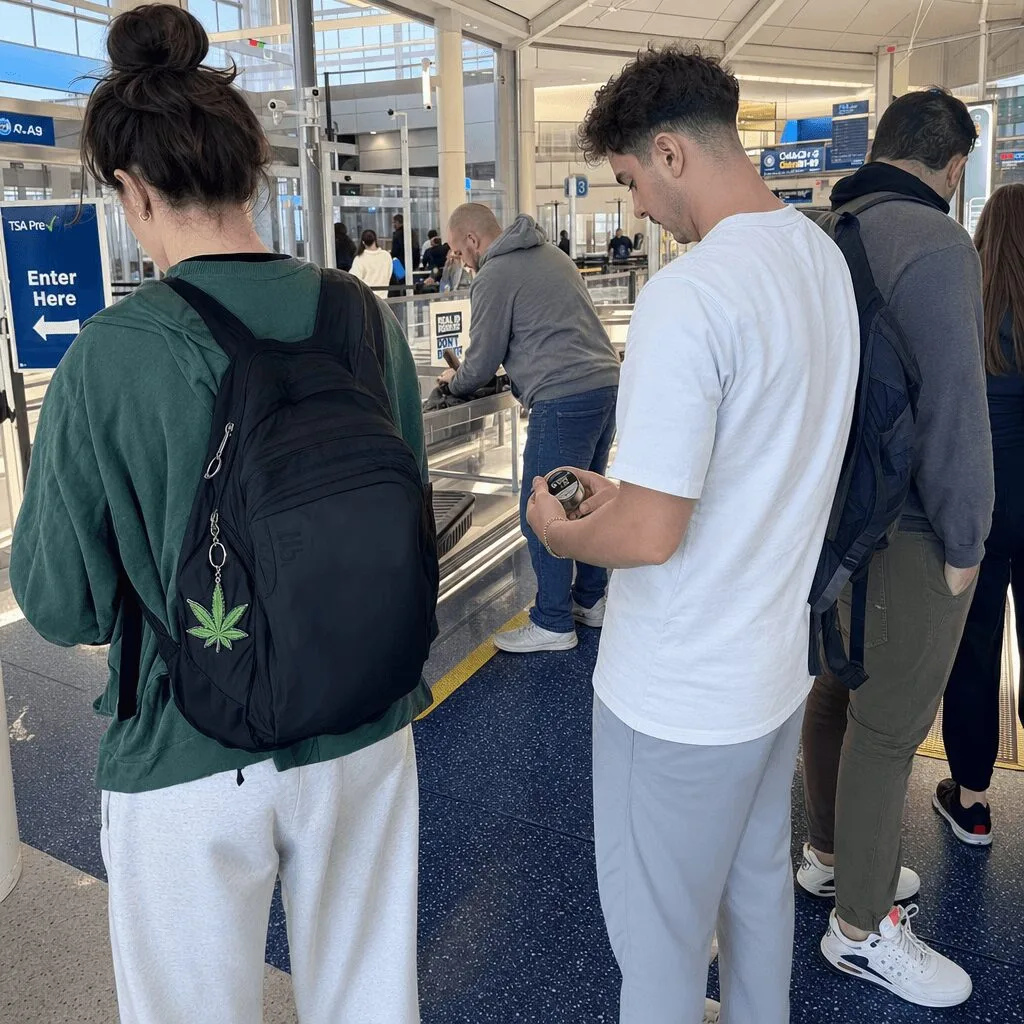
TSA marijuana travel policy: What You Need to Know Now
Flying in 1779367443? The TSA marijuana travel policy is in the spotlight, stirring questions and anxiety for both first-time and seasoned travelers. With the cannabis industry booming and state laws shifting rapidly, what happens if you’re caught with weed at security? This guide unpacks the latest rules, market influences, and what it really means for travelers nationwide. We dig in so you can chill out at the checkpoint.
The Roots of the TSA Marijuana Travel Policy: Regulations, Laws, and Society
The TSA marijuana travel policy is a product of complex federal regulations and a fast-evolving cannabis landscape. Federally, cannabis—even medical marijuana—remains a Schedule I controlled substance. Yet, over half of US states, from California to New York, have legalized or decriminalized cannabis for recreational or medicinal use. The US Transportation Security Administration, a federal agency, must enforce federal law in airport settings. But this collides with state-level legal reforms, creating massive gray zones and confusion for travelers, similar to what happened recently with shutdowns in regulated cannabis markets that highlight enforcement inconsistencies.
Social attitudes toward cannabis are changing quickly, according to a 1779367479 Pew Research poll, the vast majority of Americans now support at least medical cannabis legalization. The travel industry is scrambling to keep up, with some airports (see Denver International) even issuing their own local guidelines. This clash of rules, enforcement, and expectation frames a moment of major policy friction that every cannabis-friendly traveler should understand, especially as legal differences can lead to enforcement actions, like those seen in incidents such as dispensary raids across the country.
Key Developments and the Confusing Realities at the Checkpoint
So what has changed, and what hasn’t? In 1779367479, the TSA updated their online guidance to clarify their posture regarding cannabis. According to the current official TSA website, TSA security officers do not actively search for marijuana or other illegal drugs, but “if any illegal substance is discovered during security screening, TSA will refer the matter to a law enforcement officer.” This includes even legal state products at a federal facility like an airport.
The real sticking point comes from differences in product types (CBD, hemp, THC) and labeling. The 2018 Farm Bill legalized hemp-derived CBD under 0.3% THC, resulting in a dizzying array of legal (and some very iffy) products showing up in carry-ons. But if an edible, vape, or flower product contains more than trace THC, it’s still federally banned, a concern reminiscent of the legal complications over THC vape products in Florida.
In practice, according to reporting by Vice, most TSA agents are focused on aviation safety, not busting travelers for small amounts of weed. Many cases end with a “toss it in the amnesty bin” approach or a quiet referral to local authorities, who may turn a blind eye in places like Los Angeles, but not so much in Texas or Florida. Confusion reigns, and social media is filled with stories of anxious travelers facing wildly different outcomes, depending on luck and location. The lack of uniform enforcement continues to frustrate travelers and advocates alike, echoing calls for reform similar to recent security reform efforts in the cannabis retail sector.
Industry Insights: What the Latest Policy Means for Cannabis Travelers and the Bigger Picture
For regular flyers and industry insiders, the TSA marijuana travel policy is a walking contradiction. Industry experts routinely point to the need for federal and state law alignment. According to Morgan Fox, Political Director at NORML, “The ongoing conflict between state and federal law creates uncertainty for responsible cannabis consumers, particularly those who rely on medical marijuana.” Cannabis-friendly travel brands, dispensaries, and industry groups continue to push for clearer guidelines, arguing that safe, responsible cannabis use should not jeopardize a traveler’s freedom or peace of mind. For example, current efforts to improve patient rights—such as initiatives to expand medical marijuana access in hospitals—highlight how patchwork regulations impede not only travel but also patient care.
The ongoing evolution of cannabis law is also shaping the broader industry. The lack of clarity at airports has influenced packaging, labeling, and the very types of products carried by savvy travelers, with an uptick in demand for odorless, travel-ready cannabis solutions. This dynamic underscores how regulatory confusion isn’t just an issue for the TSA, but a challenge, and opportunity, for the entire cannabis ecosystem—including those seeking business funding and addressing compliance needs, as discussed in developments such as cannabis business funding in Illinois.
Looking Ahead: The Future of TSA Marijuana Travel Policy in 1779367443 and Beyond
While the TSA marijuana travel policy is still a mixed bag, momentum appears to be moving toward greater acceptance and clarity. With cannabis reform spreading across the US and pressure mounting for federal legalization, more airports and agencies are expected to modernize their guidance. Travelers can stay optimistic: industry voices like the National Cannabis Industry Association predict continued progress, calling for “sensible, traveler-friendly rules that balance safety, legality, and consumer freedom.”
For now, travelers should stay informed, keep packaging clear, and know the laws of both departure and destination. One thing’s certain—the high times for confused travelers won’t last forever. The tides are changing, and the future of cannabis-friendly travel is looking brighter by the checkpoint.
Originally reported by: vice.com



1 Comment
Pingback: Oklahoma medical marijuana employment policies: Latest updates