





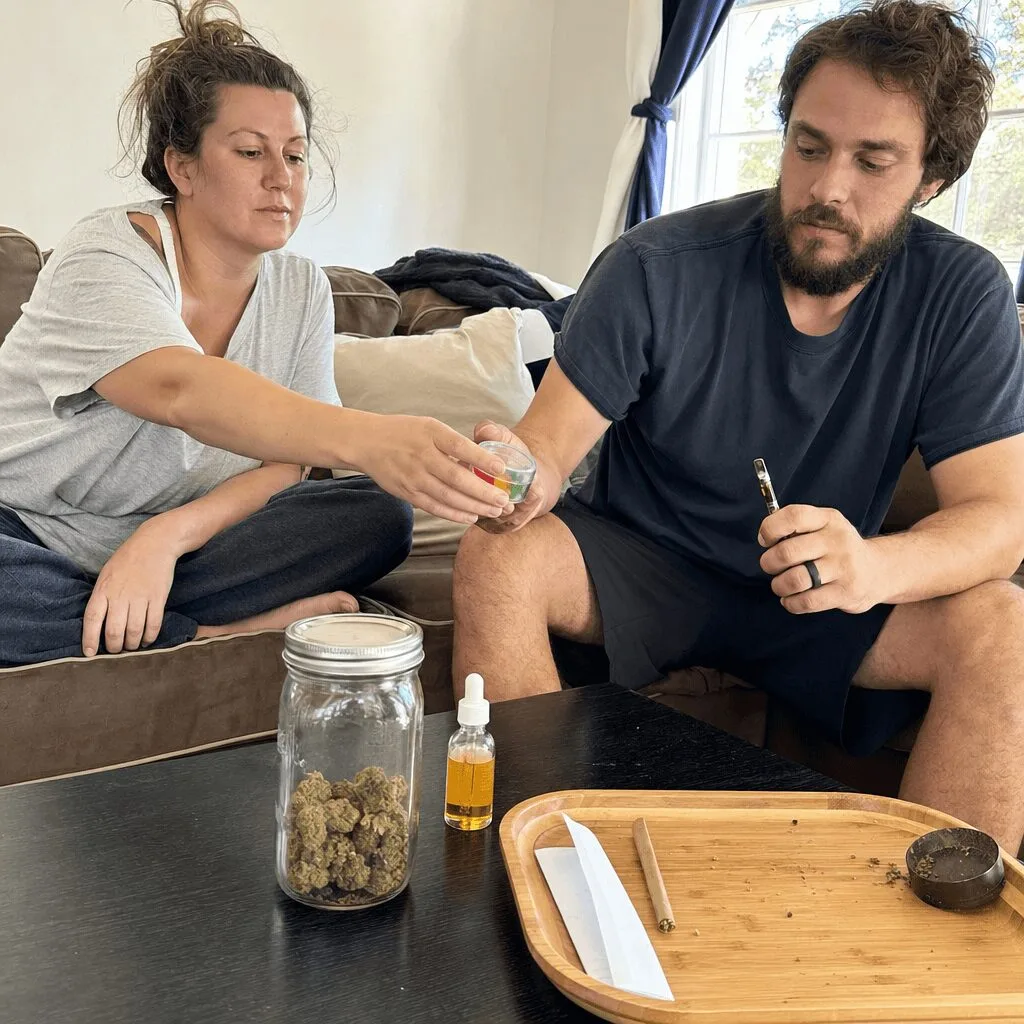
Discover the Unique Effects of Different THC Forms
If you’ve ever wandered a dispensary shelf or scrolled through product menus, you know that different THC forms have exploded onto the scene. From classic bud to high-tech vapes and mouth-watering edibles, consumers today are spoiled for choice. This conversation is especially relevant in 2024, as more people swap old-school perceptions for modern science and nuanced regulation. Exploring the key features, challenges, and trends surrounding different THC forms isn’t just timely—it’s critical for anyone seeking a personalized, safe, and informed cannabis journey.
The Legal & Social Roots of Different THC Forms
Cannabis legalization, both medical and recreational, has cracked open the innovation vault on different THC forms. After early trailblazers like California and Colorado green-lit cannabis use, each new state defined its regulatory boundaries, influencing how products reach consumers (see NORML’s Legalization Maps). Meanwhile, the 2018 Farm Bill catalyzed hemp-derived THC alternatives like Delta-8, further diversifying the scene. Consumer demand for tailored effects—fast-acting vapes, discreet edibles, or social smoking—keeps the industry in constant flux. For a look at how these product types compare in effect and usage, read this in-depth comparison of THC forms. Experts at MJBizDaily report surging interest in products that cater to individual needs, with strict mandates ensuring quality and transparency in labeling across markets. Importantly, regulation shifts drive not only new products but also scientific inquiry into how each form impacts onset, experience, and safety.
Major Developments: What Sets Different THC Forms Apart?
According to a recent Mississippi Free Press feature, the main types of THC forms now dominating the U.S. market include flower, concentrates (like wax, shatter, and oils), cartridges for vaping, infused edibles, THC tinctures/oils, and emerging variants such as Delta-8 and Delta-10. Companies like Cresco Labs and Curaleaf shape these offerings, tailoring products for medical or recreational use. For example, edibles are now precisely dosed thanks to strict state rules—making accidental overconsumption far less common than the early days. For more on edibles and their health implications, especially for children and teens, see this analysis on THC in candy health risks. Vape cartridges, by contrast, offer rapid onset but require diligent production oversight because of past safety scares linked to illicit additives. The article notes that in late 2023, CDC reports confirmed dangerous additives like Vitamin E acetate were absent from licensed cannabis vapes following swift regulatory responses. Meanwhile, tinctures and oils remain a staple for medical users seeking discreet and accurate dosing. The growing Delta-8 sector has also recently faced federal pushback, with FDA warnings issued regarding unregulated sales. Each variation comes with its own buzz and baggage, as recent events demonstrate how evolving legal and social perspectives affect real-world cannabis use, including questions of legality, safety, and stigma.
Expert Insights: Real Talk on Different THC Forms
Industry analysts and veteran consumers agree: the evolution of different THC forms is a double-edged sword. Dr. Ethan Russo, neurologist and cannabis researcher, told Leafly, “Matching the right THC product to a patient or user’s needs requires not only education, but clear product labeling and regulation to prevent misuse and confusion.” This means that while choice is empowering, it also calls for serious consumer education. The sheer variety—from slow-burn edibles to fast-hitting vapes and classic joints—lets people personalize their high for work, play, or therapy. For those interested in how the mind-body connection shapes wellness choices in cannabis, see this mind-body wellness discussion. But this freedom comes with responsibility, as consumers and vendors must share knowledge, mind label accuracy, and heed state/federal guidelines. In places where legal THC products are available, expert oversight ensures better product safety compared to the unregulated market. Industry research from New Frontier Data indicates more users are seeking products tailored to specific effects, pushing brands to clarify differences in potency, onset, and duration between formats.
A Brighter, More Personalized Cannabis Future
The growth of different THC forms mirrors a larger cultural shift toward openness and choice in cannabis use. As regulations mature and social acceptance widens, quality standards and education around different THC forms will keep improving. According to experts at Cannabis Business Times, mainstream consumers and curious newcomers alike are now better equipped than ever to choose products that fit their lifestyles and needs. The coming years promise not only new delivery technologies and flavors but also greater scientific understanding of how THC interacts with our bodies and minds. Whether you’re dosing up for serious relief or just unwinding, embracing the full menu of different THC forms means more power (and more peace of mind) for every cannabis fan.
Originally reported by: mississippifreepress.org



1 Comment
Pingback: Cannabis Control Commission members: Healey appoints new faces