





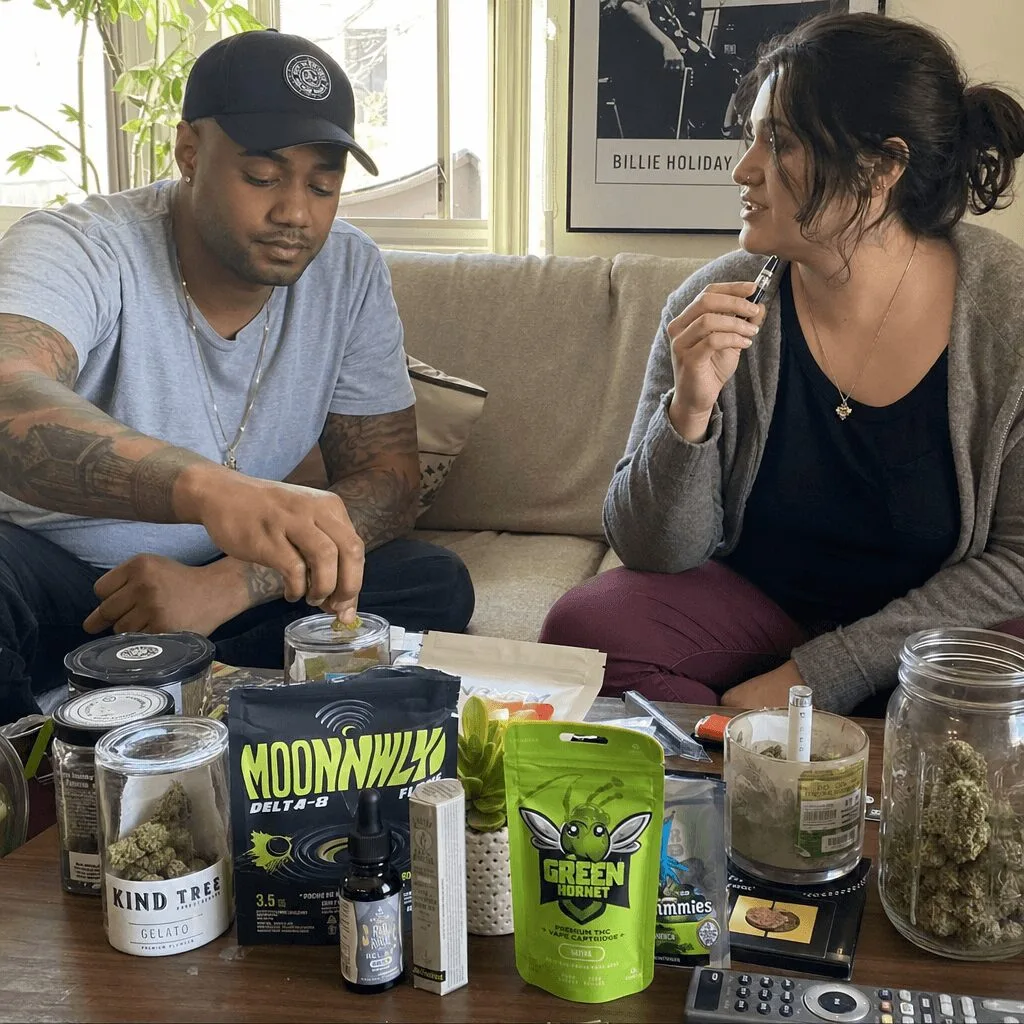
If you’re curious about the differences in how THC hits—whether in flower, edibles, vapes, or tinctures—you’re not alone. The cannabis world is evolving fast, with new products and consumption preferences shaping the market. Right now, a THC forms comparison cannabis discussion is crucial for consumers and industry insiders alike. As regulations shift, innovations roll out, and stigma fades, it’s never been more important to know what sets each THC form apart. We’ll dive into their unique effects, how they’re regulated, and why the conversation matters in today’s cannabis culture.
Regulatory Landscape: Setting the Scene for THC Forms Comparison Cannabis
The legal status of cannabis, and as a result its many THC forms, varies dramatically across the country and the globe. In states like California and Illinois, comprehensive regulations have led to a marketplace boasting everything from THC-laced gummies to nano-emulsified tinctures (Leafly reports on California marijuana laws). Meanwhile, federal prohibition continues to create patchwork restrictions, especially impacting edibles and extracts. As a result, product labeling, dosage limits, and accessibility differ depending on where you are. According to Forbes industry analyses, consumer demand for regulated, transparent THC products is driving clearer standards. Still, social perceptions remain mixed, and news of incidents involving edibles and youth safety highlights ongoing concerns—such as recent lessons for parents and schools about THC in candy health risks. The current environment sets the stage for detailed THC forms comparison cannabis, with every form under unique legal and public scrutiny.
Key Developments and Issues: What’s Shaping THC Forms Comparison Cannabis
Recently, a wave of innovation has hit the cannabis sector, igniting critical conversations about the impact, safety, and appeal of different THC formats. For example, leading companies like Green Thumb Industries and Curaleaf have expanded their edible and tincture lines, touting fast onset and precise dosing as key advantages. State regulators, such as those in Illinois, have responded with stricter potency labeling and child-resistant packaging requirements since mid-2023. According to the Cannabis Business Daily, U.S. cannabis sales reached record highs in 2023, largely fueled by consumer interest in discreet options like vapes and edibles. However, legal drama surrounds synthetic THC variants and gray-market vape carts, and major cannabis raids continue to stun communities, as recently illustrated by events similar to the Central Valley marijuana grow bust—further intensifying the THC forms comparison cannabis debate. High-profile recalls and legal actions have underlined the importance of purchasing from licensed, reputable sources—a point echoed by industry advocates and public health officials alike. Overall, safety, flavor, dosing control, and onset speed remain central issues in the ever-evolving comparison of THC forms.
Expert Analysis & Pro-Cannabis Insights on THC Forms Comparison Cannabis
Each THC form delivers a distinct experience, shaped by how our bodies absorb cannabinoids. For quick relief, vapes and flower are popular, while for longer-lasting effects, edibles and tinctures shine. Experts stress the need to educate consumers on onset times and responsible dosing. As Dr. Peter Grinspoon, a Harvard-trained physician and well-known cannabis specialist, explains: “There are significant differences in onset, duration, and intensity between THC forms, knowing these can help consumers make safer, more enjoyable choices.” Driven by wellness trends and the growing demand for discretion, the market now offers everything from microdosed mints to sublingual strips. This diversity not only flattens stigma but also democratizes access for new users and patients. Moreover, discussions about how mental and physical health intersect are changing the narrative around cannabis wellness, as explored in the latest mind-body connection research. Every successful THC forms comparison cannabis highlights the progress toward inclusion, safety, and sophisticated product design. Of course, regulatory compliance and continued research remain critical as new forms hit the shelves. Industry leaders and watchdogs regularly review ingredients, sourcing, and testing protocols to ensure quality standards across the board.
Where We’re Headed: Looking Forward in the THC Forms Comparison Cannabis Conversation
The range of THC products will only expand as the cannabis industry grows and matures. With every passing year, more sophisticated research and regulations make for safer, more accessible choices. The mainstream embrace of diverse formats—edibles, vapes, tinctures, topicals—signals lasting change. According to Statista cannabis industry data, social acceptance and consumer education drive demand for tailored effects and trustworthy information. As new products and old classics jostle for shelf space, consumers are more empowered to explore what works best for them. In the end, the ongoing THC forms comparison cannabis isn’t just about picking products—it’s about supporting smart policy, personal wellness, and a fast-evolving, inclusive industry culture.
Originally reported by: mississippifreepress.org



1 Comment
Pingback: Discover the Unique Effects of Different THC Forms