

Boise marijuana traffic stop: Massive seizure leads to arrests
Things are definitely heating up in the Gem State, sparking debate far beyond our neck of the woods. The recent Boise marijuana traffic stop didn’t just end with a couple busted folks—it’s now fueling bigger talk about cannabis laws, cross-border markets, and how Idaho handles industry trends while the rest of the West moves toward legalization. With Idaho sitting as a prohibition stronghold, this bust shines a light on the tense friction between law enforcement, public safety efforts, and an evolving nationwide cannabis culture. In this article, we’ll break down why this stop matters, what the incident means for users and policymakers, and what industry experts are saying about cannabis progress—even here where weed remains officially off-limits.
Background: Idaho’s Unyielding Cannabis Laws and Regional Tensions
Let’s set the scene: Idaho is bordered by states with full adult-use or robust medical cannabis programs, like Nevada, Oregon, Montana, and Washington. Meanwhile, Idaho holds the line as a zero-tolerance state, refusing to legalize even limited medical use. According to Marijuana Policy Project, Idaho’s criminal code classifies any possession as a serious offense, reflecting deep political and social resistance to reform. Lawmakers cite public safety and traditional values, but the ground reality is more complex. The rise of cannabis consumption across the country has shifted perceptions on use, as highlighted in America’s shifting acceptance of cannabis use over alcohol. Neighboring state legalization fuels cross-border product flow and, occasionally, high-profile busts like the Boise marijuana traffic stop. Law enforcement, courts, and local policymakers all feel the heat, balancing state law with a dramatic rise in cannabis-related traffic stops and seizures.
Key Developments: What Went Down in Boise This Week
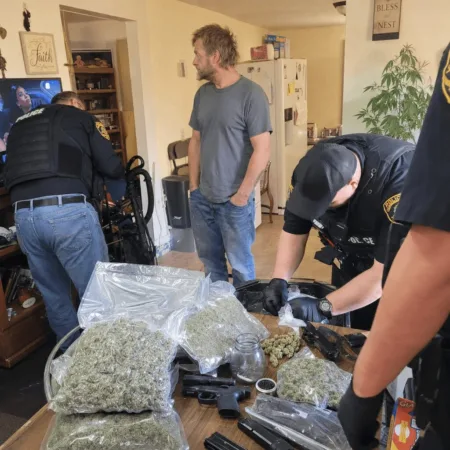
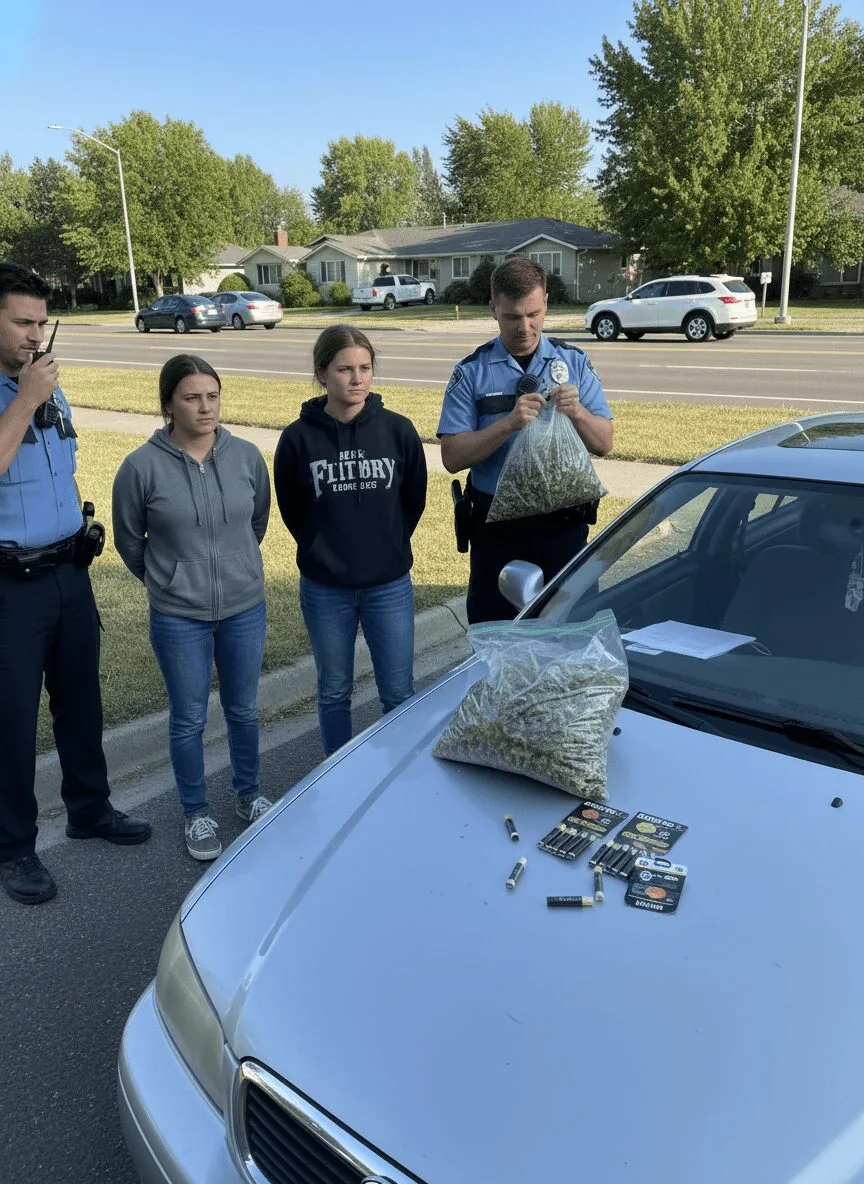
Here’s the play-by-play: On a bright mid-week day, Boise police pulled over a sedan for a routine traffic infraction on a major city road. According to Idaho News, three individuals, allegedly driving from a neighboring state, were detained after officers noticed suspicious behavior and an odor of marijuana coming from the vehicle. The officers conducted a probable-cause search, uncovering large, vacuum-sealed bags of cannabis, plus a stash of THC cartridges and edibles. The seized products were laid out for evidence photos, totaling well over the felony threshold under Idaho law (which, according to Idaho Legal Aid, is just three ounces for felony charges). In the context of increasing discoveries in marijuana traffic stops, a similar case was recently reported in Reading, where authorities made a significant marijuana seizure. All three individuals from Boise now face felony trafficking and possession charges with court hearings later this year. No company was named as the source of the cannabis, but packaging matched dispensary-style retail, a sign of legal upgrades across the border, but illegal here at home.
Expert Analysis: What This Bust Means for the Broader Marketplace
Let’s be real: this Boise marijuana traffic stop isn’t just another Friday afternoon headline. It’s a microcosm of every state holding out against legalization while being surrounded by legal weed. Industry insiders see enforcement actions like this as symptoms of an outdated policy framework. According to recent commentary from Leafly: “People will always look to supply-demand dynamics, even when it means legal in one place and felonious in another,” explains Bruce Barcott, senior editor at Leafly. These busts raise bigger questions: Does prohibition keep Idahoans safer or just drive commerce underground? On top of that, border crackdowns tie up public resources, making it harder for law enforcement to focus on serious threats. Increased interdictions also create a lopsided market, as regional cannabis businesses lose possible customers to inter-state black markets. The debate over reclassification and medical acceptance, similar to discussions around DEA Schedule III cannabis barriers within the industry, highlights why even conservative lawmakers in nearby states are starting to rethink prohibition’s math, as reported by Cannabis Business Times.
Where Do We Go From Here? A Forward-Thinking Perspective
Here’s the blunt truth: Incidents like the Boise marijuana traffic stop force tough local conversations, but nationally the tide keeps turning toward reform. Polling from Pew Research shows well over 60% of Americans support legal access to adult-use cannabis. As neighboring states prove legalization can co-exist with public health and safety, Idaho faces growing calls to update its stance. For now, the industry and consumers watch and wait, advocating sensible reform that matches community values and fiscal realities. Despite the current risks, the cannabis movement is moving forward—one traffic stop, one court case, one legislative session at a time. Booming public support, expanding regional markets, and bold policymaking are setting the stage for even Idaho to reconsider what’s possible. Until then, incidents like this will shape conversations, policy debates, and, inevitably, the future of cannabis in Idaho.
Originally reported by: idahonews.com