



Wisconsin hemp business ban: What the new rules mean for you
This year, the Wisconsin hemp business ban has become a hot topic, shaking up both local communities and passionate cannabis consumers. Recent legislation has thrown stores, entrepreneurs, and hemp lovers into a whirlwind of uncertainty. With businesses scrambling to adapt and residents worried about product access, understanding these shifts is more important than ever. This article explores what’s behind the ban, who it impacts, and how the Wisconsin hemp community is responding right now.
The Roots of the Wisconsin Hemp Business Ban: Legal and Social Context
Federal and state hemp law has always been a bit of a wild ride. Back in 2018, the 2018 Farm Bill cracked open the door for hemp in the U.S., legalizing production as long as THC content stayed below 0.3%, which was a major regulatory change that opened new business opportunities for farmers and entrepreneurs. This ignited a legal hemp market, inspiring Wisconsin farmers and entrepreneurs to jump in. But rapid market growth brought fresh scrutiny. Regulators cited unclear boundaries between hemp products and intoxicating THC derivatives, which prompted local lawmakers to rethink their stance. At the same time, rising popularity of Delta-8 and hemp-derived cannabinoids blurred legal gray areas, causing confusion for retailers and law enforcement alike. As NORML and other authorities have reported, states like Wisconsin are still struggling to balance opportunity with oversight. Socially, Wisconsinites have grown comfortable with CBD and low-THC options, but recent national debates over unregulated hemp-derived products put a target on the industry’s back, much as local dispensary bans have affected patient access in other regions facing sudden cannabis restrictions. Policymakers argued that stricter rules could protect public safety, while businesses worried about economic fallout and loss of personal freedoms.
Key Developments: Inside the Wisconsin Hemp Business Ban
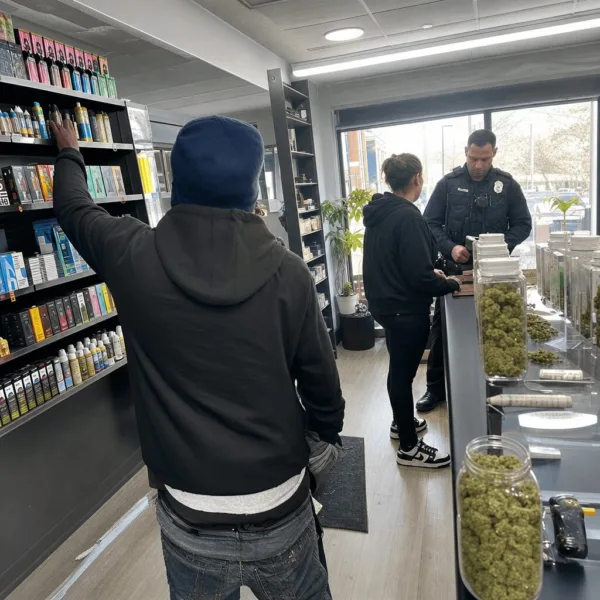
Everything boiled over in May 2026, when new federal guidance under the US Farm Bill prompted Wisconsin to issue emergency restrictions on hemp-derived THC products. According to Civic Media, state regulators sent notices to dozens of local hemp businesses, telling them to pull specific items, especially anything Delta-8, Delta-10, and even full-spectrum CBD with trace THC. Retailers from Madison to Green Bay were caught off-guard, with many scrambling to interpret what items were banned and what remained legal. Companies such as Wisconsin Hemp Scientific and NorthStar Hemp publicly announced product removals on May 9, 2026. Store managers reported confusion and revenue losses, which is reminiscent of the challenges seen when cannabis businesses face sudden regulatory changes, like those who benefited from marijuana tax relief adjustments elsewhere. Small business owners, already facing tight margins, struggled to adapt. Meanwhile, consumers flooded social media and community boards, worried about losing access to products they relied on for wellness or recreation. These quick, sweeping changes left everyone, from police to city councils, rushing to make sense of the new rules around the Wisconsin hemp business ban.
Expert Analysis & Industry Insights: A Pro-Cannabis Perspective
So, what does this all mean for the future of Wisconsin hemp? Industry insiders agree: the Wisconsin hemp business ban is part of a much bigger clash over how America regulates plant-based wellness. As Hemp Industry Daily explains, “The maze of patchwork policies is confusing for both sellers and buyers. But what’s clear is the market demand isn’t going anywhere.” Leading cannabis attorney Lauren Rudick put it bluntly, saying, “Consumers deserve safe, reliable access to hemp products. Overregulation only sends sales across state lines or into the gray market.” (Cannabis Business Times). Recent data from Brightfield Group shows Wisconsin’s hemp and CBD market grew nearly 30% last year despite ongoing legislative threats. Retailers have adapted through better product labeling and batch testing, while community advocates continue lobbying for sensible reform. Just as older adults have begun embracing edibles for wellness and pain relief in other parts of the country as seen in emerging consumer trends, many experts argue that clear, fair laws—rather than outright bans—would actually promote public safety and keep entrepreneurial spirit alive. State leaders, if they’re really listening, would recognize hemp is now deeply woven into Wisconsin’s economic and social fabric.
The Road Ahead: What the Wisconsin Hemp Business Ban Means for the Future
Despite all these setbacks, there’s good reason for optimism. History shows cannabis—especially hemp—has always bounced back from regulatory curveballs. Industry groups and consumer advocates are organizing, petitioning lawmakers for practical reforms. According to Marijuana Moment, federal and state legislators nationwide are re-examining hemp policies to reflect real-world market realities. More Wisconsinites than ever are vocal about their support for hemp businesses, highlighting their benefits to wellness, job growth, and rural communities. As public attitudes shift and broader legalization gains momentum, it’s likely we’ll see smarter, consumer-focused policies sooner rather than later. Bottom line: The Wisconsin hemp business ban is a bump in the road, not the end of the journey. Watch this space—because if cannabis culture has taught us anything, it’s that the only constant is change.
Originally reported by: civicmedia.us


1 Comment
Pingback: Medical Marijuana Clinical Care: Transforming Patient Support