



Major marijuana seizure Dayton: what really happened?
The landscape around marijuana legality keeps shifting, and stories like the recent marijuana seizure Dayton event make it more urgent to understand what’s at stake. With Ohio’s market maturing, each enforcement action echoes through the local cannabis scene, affecting advocates, entrepreneurs, and residents alike. In this article, we break down exactly what happened during the major marijuana seizure Dayton, analyze the bigger legal and cultural context, and explore what this means for advocates, enforcement, and the burgeoning industry. Buckle up—let’s get blunt about the news that’s making waves right now.
The Evolving Legal Backdrop of Marijuana Seizure Dayton
With the State of Ohio making progress toward broader legalization for medical and, soon, recreational cannabis, enforcement patterns are in flux. Ohio officially greenlit medical marijuana in 2016, welcoming a regulated market and setting up dispensaries. Yet, federal law still casts its shadow, as cannabis remains classified as a Schedule I substance under the Controlled Substances Act. Local law enforcement in Dayton often finds itself at the intersection, balancing state legality with federal restrictions. Even as city councils and advocates push for more progressive reforms, such as expungement of past convictions and home grow rights, supply and policing tension continues to fuel public debate. According to the National Organization for the Reform of Marijuana Laws (NORML), 2023 saw a record number of legal states, but piecemeal policies leave room for confusion and enforcement disparities. For parents and families in areas affected by enforcement shifts, incidents related to cannabis safety have emphasized the importance of public awareness following recent cases where children have come in contact with THC products. All eyes were on Dayton’s latest high-profile bust, prompting questions about how, when, and why law enforcement acts amid evolving laws.
Breaking Down the Recent Key Events in the Marijuana Seizure Dayton
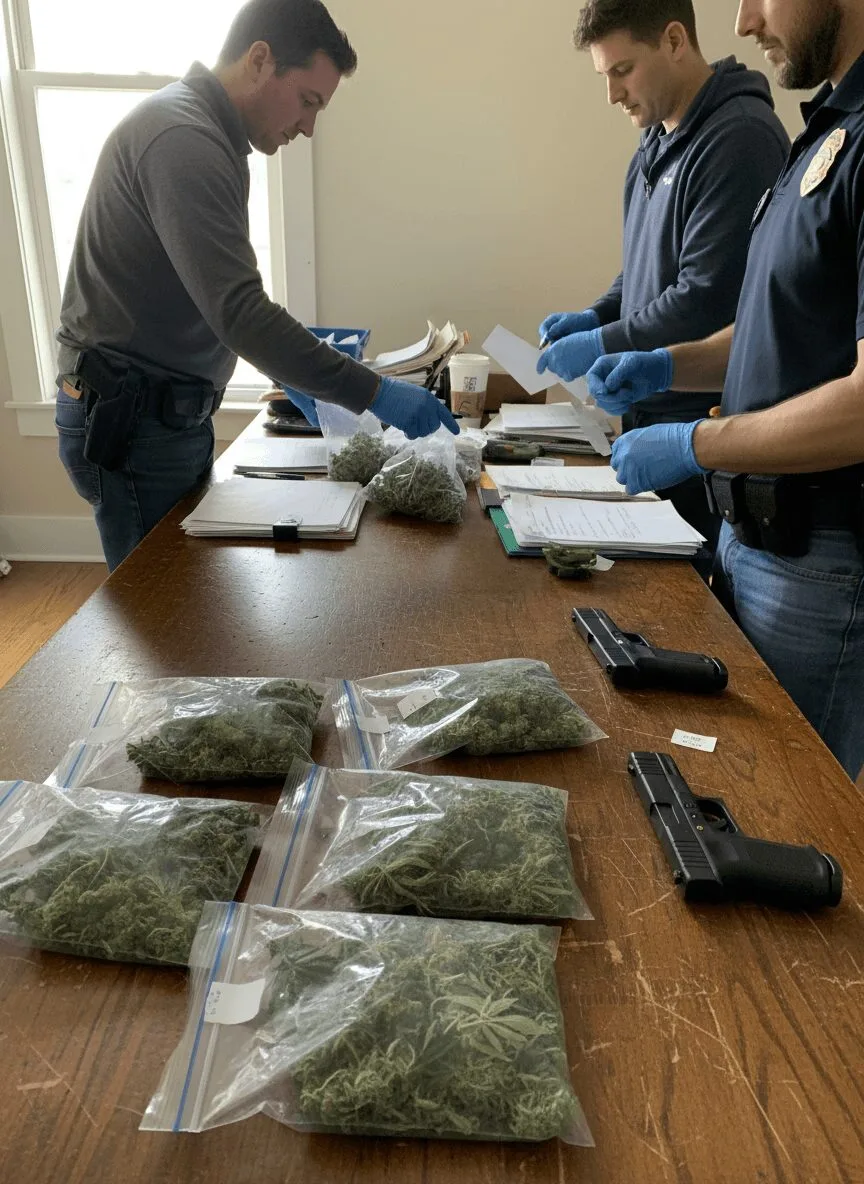
The marijuana seizure Dayton this week has grabbed attention not just for its size, but also for the unusual circumstances. According to WHIO News, on June 6, Dayton Police executed a high-risk search warrant at a residence on Smithville Rd. Officers discovered and seized over 11 pounds of marijuana, neatly packed and seemingly destined for distribution. Along with the stash, police confiscated two handguns and a significant amount of cash. The operation stemmed from an ongoing investigation into alleged drug trafficking activities. Arrests were made on-site, with suspects now facing a list of charges, including possession with intent to distribute, illegal weapons possession, and possible child endangerment due to the presence of minors during the raid. Authorities highlighted the dangers linked to trafficking operations, citing community safety risks. These recent enforcement actions in Dayton echo much broader industry disruptions seen elsewhere, such as the impact of larger legal cases that send shockwaves through local and state cannabis markets, as seen in the recent Missouri cannabis antitrust cartel case. Reports also noted that neighbors were rattled by the show of force, reflecting ongoing anxieties around neighborhood policing of cannabis in Dayton. Major regional news outlets, such as Cincinnati.com and Dayton Daily News, quickly picked up the story, fueling broader questions about Dayton’s role in Ohio’s changing cannabis picture.
Expert Cannabis Industry Analysis & Balanced Perspectives
The marijuana seizure Dayton serves as a microcosm of the big-picture cannabis challenges facing communities nationwide. Here’s the thing, law enforcement raids like this often highlight risks while rarely addressing core causes: inconsistent or stalled legalization, slow licensing rollouts, or persistent demand for black market products. As Kassandra Frederique, Executive Director of the Drug Policy Alliance, puts it: “When regulators drag their feet and communities lack legal access, the illicit market will fill the need, enforcement alone won’t stop it.” Industry analysts, including those at MJBizDaily, have found that opening legitimate access and well-regulated programs are key for reducing illicit activity. The surge in high-profile cases can affect not just policies, but also patient access and public sentiment about the benefits of cannabis in serious circumstances, an angle often explored in stories about cannabis use for cancer care and recovery prompting new discussions on medical applications and research advances. Ultimately, social equity advocates argue that criminalizing cannabis only perpetuates harms, while missing out on potential tax revenue and public health progress. Each enforcement action ripples out, affecting both compliant industry operators and legacy participants contending with a constantly shifting legal framework. Many experts agree that sustainable reform should include expanded legal access, thoughtful regulation, education, and initiatives that move from punitive measures toward more compassionate community solutions.
Future Outlook: Toward a Progressive, Fair Cannabis Future After the Marijuana Seizure Dayton
As Dayton grapples with the aftermath of this major marijuana seizure, the broader trend nationally points toward normalization and growth. Industry research from New Frontier Data predicts that adult-use legalization in Ohio could fuel billions in economic activity and generate thousands of jobs. Community conversations following the Dayton raid should focus on effective reforms—not just enforcement. Advocates push for equity-centric policies that reduce harm, support those impacted by outdated laws, and offer safe, legal access for all. While the headlines about the marijuana seizure Dayton may spark debate, they also highlight the urgent need for clear, consistent frameworks. The cannabis industry is here to stay—evolving, legitimizing, and, in the end, serving the people of Dayton and beyond. The road is rocky, but the future looks bright for fair, responsible reform.
Originally reported by: whio.com


3 Comments
Pingback: Kentucky medical cannabis lottery: Surprising new findings
Pingback: Off-duty cannabis police firing: Court ruling shocks N.J.
Pingback: New York Cannabis Licenses: Latest Updates & Approvals