



Ohio hemp THC ban: Why the judge blocked it for now
If you’ve spent any time around Ohio’s buzzing cannabis scene lately, you know the conversation is heating up over the Ohio hemp THC ban. From local small-batch beverage makers to wellness shops, everyone’s got skin in the game. The sudden legal block on the ban is making news for a reason—it doesn’t just impact what you can sip on your porch. It sends shockwaves through the whole Midwest cannabis market, puts livelihoods at stake, and reveals the tug-of-war between state regulators and creative entrepreneurs. Let’s break down what’s happening, why it has the industry talking, and where Ohio hemp THC ban debates might take us next.
The Regulatory Background Fueling the Ohio hemp THC ban
To really get what’s happening with the Ohio hemp THC ban, you’ve got to understand the landscape unleashed when the 2018 Farm Bill federally legalized hemp, defined as cannabis with less than 0.3% Delta-9-THC. This opened up a Pandora’s box for legal hemp-derived cannabinoids. Suddenly, shelves filled up with products like Delta-8 and infused sparkling drinks. States hustled to regulate, fearing kids and untested compounds might slip through the cracks. The New York Times reported how the evolving patchwork of state laws left businesses and consumers scrambling. Ohio, traditionally cautious about THC, tried banning popular hemp-derived beverages altogether. In other states, sudden recalls of infused items have upended both consumer trust and retail stability, much like the recent THC CBD tincture recall impacting cannabis consumers. Enter the current standoff, a classic state-vs-industry drama, with consumers, farmers, and retailers in the crossfire.
Inside the Legal Showdown: Key Developments of the Ohio hemp THC ban
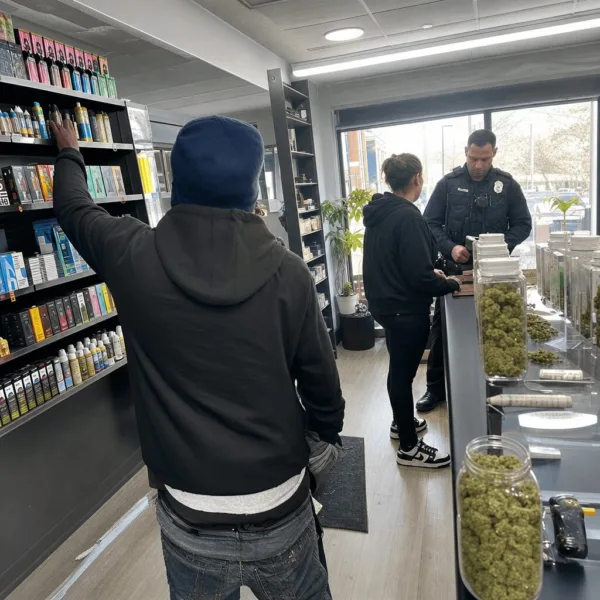
On April 1, 2026, a local Ohio judge delivered a surprise twist, blocking enforcement of the state’s new ban on hemp-derived THC beverages, at least for now. According to Cleveland.com, officials originally aimed to clamp down on hemp-infused drinks, targeting everything from Delta-8 seltzers to CBD sodas sold at small shops and restaurants. State attorneys argued these products skirted adult-use cannabis regulations and created ‘Loophole Land’ for unlicensed sales. Interestingly, in Texas, courts have been forced to address similar patchwork enforcement, a scenario described in a recent smokable hemp ban ruling that shocked the industry. The judge countered, though, stating ‘THC is THC,’ emphasizing that the source—hemp or marijuana—is legally a gray area Ohio law hadn’t defined thoroughly. As a result, the injunction halts prosecution and fines for businesses, meaning hemp THC beverages will stay on shelves while lawyers prep for a bigger court showdown. Beverage brands, distributors, and shop owners from Cleveland to Cincinnati are breathing a cautious sigh of relief, but the future hangs in limbo.
Expert Analysis: Ohio hemp THC ban in the National Cannabis Conversation
The Ohio hemp THC ban isn’t just about what’s in your fridge. It represents a pivotal moment, echoing national debates over how we treat cannabinoids from different sources. The judge’s temporary block showcases judicial recognition of scientific reality, that chemically, THC is THC, whether it’s hemp or marijuana. This has rippling implications for regulatory policy, raising the question—are we protecting consumers, businesses, or an outdated status quo? As Leafly points out, the rise of hemp-derived cannabinoids like Delta-8 has blindsided state legislators across the country, sparking lawsuits and questions about what ‘legal’ cannabis really means. Legal trends are often shaped by unexpected events, such as THC-related scandals in local institutions, prompting both reform and new restrictions. Longtime industry advocate and Ohio Cannabis Chamber president Joe Bruner said, “If regulators don’t clarify distinctions between hemp and marijuana, we’ll see more confusion and innovation hitting market loopholes. Bans like this often fail to reflect market demand and scientific consensus.” His words cut to the heart of the issue, as modern cannabis policy must move beyond prohibition-era thinking and recognize the legit needs of consumers and entrepreneurs.
The Future: Will the Ohio hemp THC ban change cannabis regulation?
As this legal saga unfolds, one thing is clear: the Ohio hemp THC ban has fired up fresh debate about fair regulation and market opportunity. The brave pause by a state judge could set new standards for balancing safety with innovation—potentially inspiring similar legal action nationwide. Industry watchers, farmers, and product makers now look to the courts and lawmakers for clarity. Social acceptance of responsible adult use keeps growing, and as MJBizDaily notes, the federal government and states alike are under pressure to harmonize their approaches. For now, the best news? Ohio’s cannabis community remains resilient, passionate, and determined to protect access while evolving with the times. That’s a win for business, public health, and forward-thinking cannabis culture. Stay tuned—this is just the beginning of a new chapter in the Ohio hemp THC ban story.
Originally reported by: cleveland.com
2 Comments
Pingback: Cannabis Testing Challenges: What Virginia Retailers Face
Pingback: Vaping Health Risks 2026: What You Need to Know Now