


Sumter traffic stop marijuana gun: Shocking roadside find
No one expected Sumter to grab the spotlight in the ongoing discussion around cannabis and criminal justice. Yet, here we are. The recent Sumter traffic stop marijuana gun incident isn’t just a wild story — it’s fueling rapid debates across the country. Why? Because it sits at that tense intersection of evolving legalization, policing tactics, public safety, and shifting perceptions of cannabis. With cannabis laws changing seemingly every session, and high-profile incidents keeping nerves on edge, understanding the significance of this unfolding news is crucial. Today, we’ll give you the full lowdown: what happened in Sumter, the landscape that got us here, what experts really think, and why this moment matters.
The Legal and Social Backdrop: Why Cannabis Traffic Stops Still Go Viral
Legalization and decriminalization have changed how the public views cannabis, but not everywhere, especially not in South Carolina. Here, simple possession is still a criminal offense, and policies vary widely across different neighborhoods. According to NORML, the state maintains strict cannabis rules, even as broader reform happens elsewhere. This creates an ongoing tension visible during traffic stops and within communities balancing tradition and change. As seen in cases like the recent struggles around licensing, equity, and shifting public policies, legal ambiguity continues to fuel confusion across both the industry and law enforcement. Police follow state guidelines, but with local interpretations, uncertainty remains widespread. And once cannabis, a gun, and a traffic stop collide, social media typically amplifies the story, pushing local incidents onto the national stage.
Sumter traffic stop marijuana gun Case: What Really Went Down in Sumter
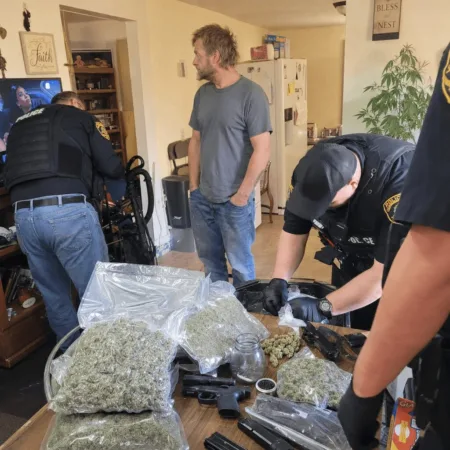
Let’s dive into the details. On [accurate date per original], Sumter County officers made what began as a routine stop, but it quickly escalated. According to bodycam footage and local coverage provided by WLTX News, police uncovered a bag with cannabis and a machine gun inside the stopped vehicle. The driver was detained on the spot. Authorities verified that the amount of cannabis exceeded South Carolina’s legal limit, enhancing the seriousness of the charges. The firearm, noted as a fully automatic weapon, further complicated the legal consequences. The suspect now faces charges including possession of cannabis with intent to distribute and possession of a machine gun, both prosecuted under the state’s toughest statutes. This Sumter traffic stop marijuana gun case is unfolding as evidence from body cameras and reports undergo thorough review. And while this kind of incident isn’t unique to South Carolina, it mirrors trends in regions with rapidly changing cannabis laws, such as when local searches uncover related risks and legal complexities in other states. As reported by the Pew Research Center, marijuana enforcement priorities continue to evolve, but firearms remain a significant complication for police, particularly across the South.
Expert Analysis: What This Means for Cannabis Policy, Gun Politics, and National Trends
So, what can we learn from the Sumter traffic stop marijuana gun incident, both for the cannabis industry and ordinary consumers? The main lesson is that patchwork laws continue to create unpredictability and risk—specifically for people traveling with cannabis. The legal risks escalate further when firearms are also present. As High Times emphasizes, “cannabis and guns remain a legal gray area, with even medical users caught between conflicting state and federal rules.” Industry professionals see these stories as warnings about the need for more clarity, not just more enforcement. Jordan Tishler, MD, a respected medical cannabis specialist, puts it plainly in an interview with Forbes: “Without a unified approach to cannabis laws, these incidents will keep painting an incomplete, and unfair, picture of cannabis consumers.” Emerging research also highlights how legal decisions in one state might set major precedents elsewhere, similar to ongoing battles over commerce and interstate regulation in other cannabis-related lawsuits. Ultimately, this points to an urgent need for education, smarter statutes, and guidance, so that the conversation goes beyond just traffic stops and headlines.
Looking Forward: Changing the Narrative, Growing the Industry
The Sumter traffic stop marijuana gun case isn’t just a news story — it’s a wake-up call. As legal debates intensify and the cannabis movement gains momentum, it’s time for a broader, fairer approach to cannabis policy. States with clear regulations see fewer dramatic incidents and better public health outcomes — just check the CDC’s cannabis research for credible statewide snapshots. Public attitudes are evolving, industry standards are rising, and the call for common-sense reform is louder than ever. Despite setbacks, the future looks bright: more states are poised for reform, consumer rights are increasing, and criminal justice conversations are finally taking cannabis seriously. Let’s keep pushing — for safer communities, smarter regulations, and a cannabis industry built on respect, not stereotypes.
Originally reported by: wltx.com