


Sacramento traffic stop drugs: Deputies seize guns & marijuana
Everyone’s talking about the Sacramento traffic stop drugs story. It’s not just a local headline; it speaks to ongoing challenges in California’s cannabis market. As law enforcement steps up roadside enforcement, the stakes for both operators and advocates have never been higher. This moment throws a spotlight on regulations, the persistence of unlicensed trade, and public perceptions of cannabis in 2024. Here’s what happened, why it matters, and what it could mean for the future of legal cannabis in Sacramento and beyond.
Legal Landscape: Cannabis and Law Enforcement in California
California’s legalization of adult-use cannabis in 2016 reshaped the marketplace, but as Leafly explains, the state still struggles to balance robust legal markets with persistent black-market activity. Despite licensing frameworks and evolving compliance standards, illegal sales haven’t vanished. Law enforcement agencies like the Sacramento County Sheriff’s Office continue to encounter sizable illicit operations during routine stops and targeted investigations. Meanwhile, regulatory bodies such as the California Department of Cannabis Control refine enforcement with tools like track-and-trace and stricter penalties. Socially, public opinions remain divided. Recent Pew Research data shows growing favor for legalization, but wariness about unregulated product safety lingers. If you want to better understand what cops can and can’t do during cannabis stops and your rights as a driver, you might find this resource helpful. These dynamics make the Sacramento traffic stop drugs story especially relevant as the cannabis industry navigates its next phase.
What Went Down: Details from the Sacramento Traffic Stop Drugs Seizure
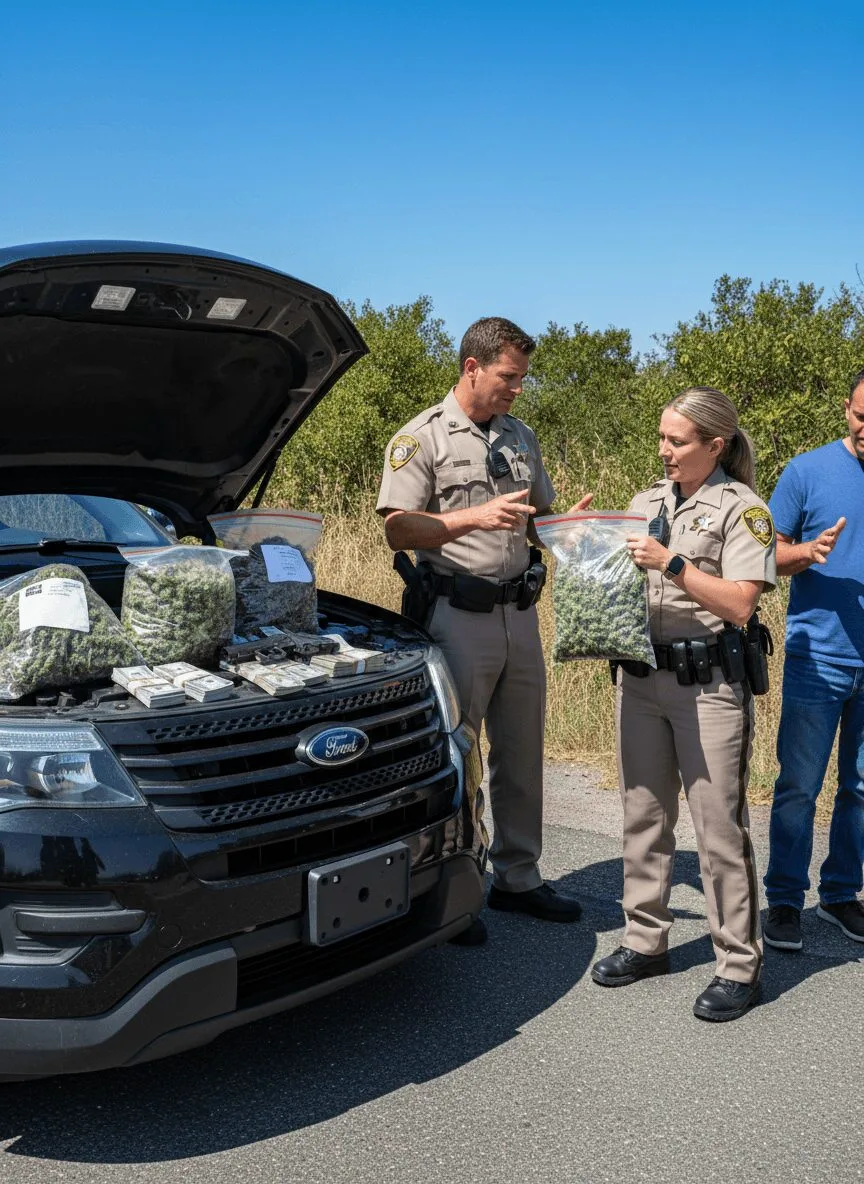
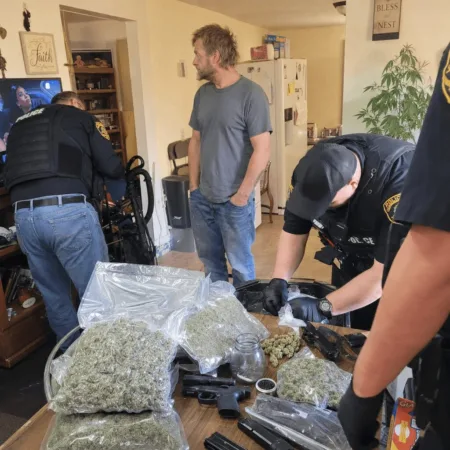
On a recent weekday, Sacramento County deputies executed a Sacramento traffic stop drugs operation that’s now making headlines. According to a detailed report by FOX40 News, the incident occurred during daylight hours on a well-traveled Sacramento roadside. During the stop, deputies noticed suspicious activity and proceeded to search the vehicle. They recovered two loaded black handguns, multiple evidence bags stuffed with green, leafy marijuana buds (some in commercial-style packaging), and stacks of seized cash. The vehicle occupants included at least one civilian in casual clothes, who was observed engaging with deputies. Sheriffs acted under probable cause, and none of the deputies or bystanders posed for cameras, this was a snapshot of real, unfiltered enforcement in progress. The marijuana and firearms were confiscated. The suspects now face potential criminal charges for illegal possession, intent to distribute, and firearm violations under state cannabis statutes and California’s robust firearms law. No injuries were reported. If you’re interested in major enforcement actions and how large marijuana seizures can impact legal debates, the recent DPS marijuana seizure in Texas is a related read. The Sacramento traffic stop drugs event underscores the intersection between illicit and legal market frictions, as well as ongoing risks for all players in the supply chain.
Industry Insights: What This Traffic Stop Signals for Cannabis
Events like the Sacramento traffic stop drugs seizure highlight the complicated reality of regulated cannabis. The market faces tough competition from unlicensed sellers who sidestep compliance costs.
According to an in-depth industry review by Marijuana Venture, California continues to lose tax revenue to the illicit sector, often because legal options can’t match pricing or ease of access. Licensed brands, meanwhile, battle complex paperwork, security requirements, and shifting state rules.
The National Cannabis Industry Association’s spokesperson, Morgan Fox, recently stated, “If California wants to truly curb the illicit market, lawmakers and regulators have to focus on policies that make legal avenues stronger and more competitive for both consumers and entrepreneurs.” (The Cannabist).
For a look at how other communities respond to shifts in drug enforcement and arrest patterns, check out this analysis of surprising arrest trends. Ultimately, episodes like this traffic stop show both how far legalization efforts have come, and just how much work remains. Most illegal transportation and sales operations are driven by regulatory gaps and economic realities, not by ideology. This isn’t about sensational headlines, it’s about an evolving system where all players, including law enforcement, are adapting on the fly.
Pro-Cannabis Perspective and Counterpoints
It’s easy to look at a headline like Sacramento traffic stop drugs and jump to old-school, stigmatizing conclusions. But most advocates—and even some law enforcement insiders—recognize today’s environment is different. The overwhelming majority of cannabis arrests now involve situations where statutes haven’t caught up with public opinion or market realities. According to NORML’s analysis, cannabis arrests statewide have dropped dramatically since legalization, and most offenders are non-violent.
For a deeper understanding of cannabis’s impact on mental wellness and the destigmatization movement, consider reading about medical cannabis and mental health. Experts urge more proportional, smart enforcement, with resources focused on real harm reduction, targeting unsafe products and weapons, not small-scale cannabis. Reforms such as social equity licensing, lower taxes, and streamlined compliance help reduce illicit trade. Balancing public safety with freedom and fairness is the next logical step. The Sacramento traffic stop drugs episode, viewed this way, may actually highlight the pressing need for policy evolution, not a failure of the legal system, but a growing pain as California’s experiment matures.
Looking Forward: Cannabis Industry Resilience and Social Change
Despite headlines like Sacramento traffic stop drugs, California’s cannabis industry continues to show resilience. Legal sales hit all-time highs last year, and regulatory agencies are actively updating policies to support safety and fair competition. More communities are embracing responsible access, and ongoing public education campaigns are shifting old narratives about cannabis. Industry watchdogs, like Leafly and MJBizDaily, continue to report falling stigma and rising market maturity. The road is bumpy, sure—but with every incident, policymakers, entrepreneurs, and advocates are learning. The future looks bright for a safer, more inclusive, and better-regulated California cannabis market—if we keep our eyes open and work together.
Originally reported by: fox40.com
1 Comment
Pingback: Florida e-bike DUI arrest: Shocking Key West Crash Story