





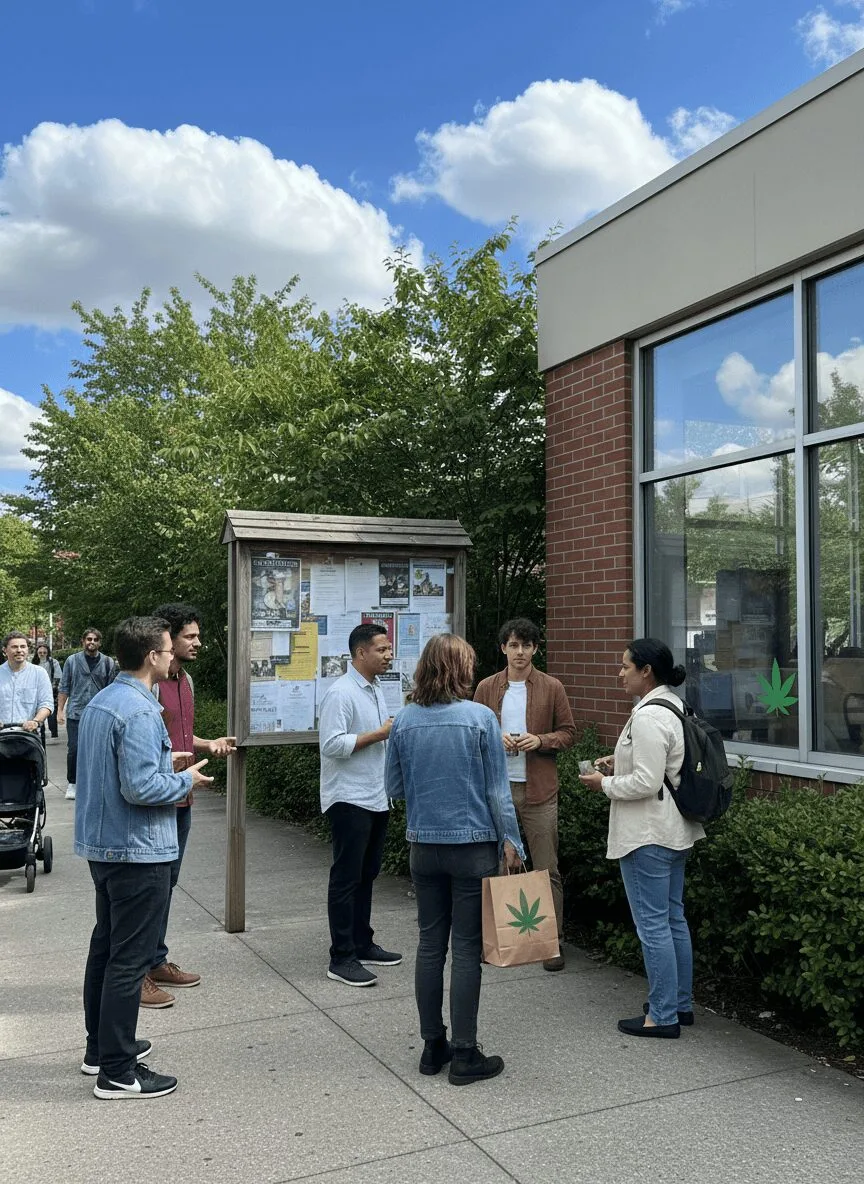
Cannabis Tax Revenue Distribution: Where Is the Money Going?
With recreational cannabis sales booming across New York, the question on everyone’s mind is simple: where is the cannabis tax revenue distribution heading? Recent discussions, ongoing reforms, and mounting public pressure highlight both the potential and the pitfalls of state-run cannabis programs. Communities were promised funds, particularly those most harmed by the war on drugs. Now, as local leaders and residents demand transparency, understanding the path of this revenue is more relevant—and urgent—than ever. This breakdown delves into not just the numbers, but the real-world impact on neighborhoods that deserve it most.
Regulatory and Social Background: Cannabis Tax Revenue Distribution in Spotlight
The cannabis industry has long grappled with social justice, economic equity, and the challenge of community relations, particularly in areas with strong First Nation identities. New York’s Cannabis Control Board emphasized reparative justice as a guiding principle when legalizing adult-use sales. The goal is to redirect revenues to the communities most impacted by disproportionate enforcement and incarceration. With legalization, lawmakers crafted robust tax frameworks, prioritizing tax revenue redistribution for education, health, addiction services, and community reinvestment, as evidenced by similar programs in states like Illinois (Illinois Cannabis Control Commission). Recent grassroots movements—such as protests that have blocked traffic in Halifax as part of broader calls for cannabis justice—illustrate ongoing tensions and efforts to ensure revenue benefits flow to the right communities (see more on First Nation cannabis protests here). Yet, as more states greenlight retail, actual implementation varies, with equity and timely disbursement facing everything from bureaucratic delays to shifting political priorities, according to Marijuana Policy Project. This evolving landscape sets a complex stage for truly impactful cannabis tax revenue distribution.
Key Developments: Delays and Realities of Cannabis Tax Revenue Distribution
Despite a bold start, New York’s cannabis tax revenue distribution has hit notable snags. When the state legalized in 2021, officials assured communities most harmed by the war on drugs that millions in tax revenues would be funneled their way. However, as of early 2026, according to recent coverage by Spectrum News NY1, only a fraction has made it to these areas.
State filings reveal persistent hang-ups in the Office of Cannabis Management (OCM) grant application processes. Funds earmarked for the Cannabis Social Equity Fund remain largely untouched, as legislative bottlenecks and administrative backlogs slow down approval. The Cannabis Social Equity Investment Fund, championed as a landmark reparative tool, has so far issued fewer grants than planned. Grassroots organizations and small operators express increasing frustration, noting that multistate operators are thriving while local communities feel left behind. Communities in other states are closely tracking how county-level cannabis revenue is being allocated, which often impacts local schools and services (see how fair funding impacts local communities). These facts aren’t isolated to New York, as delays and uneven distributions plague other markets such as California, according to Law360’s recent legal analysis. Clearly, aligning policy with practice remains a challenge as regulators adapt to this fast-evolving industry.
Expert Insights: Where Cannabis Tax Revenue Distribution Stands Now
Experts point out a familiar trend: progressive statutory language often outpaces bureaucratic execution. Dr. Janessa Bailey, policy director at Leafly, weighed in: “While tax revenue earmarking is crucial for repairing harm, transparent and accountable processes are what really unlock change, for everyone, not just those harmed in the past.” The tension between intention and implementation echoes across the industry. A NORML policy brief argues that states must pair strong equity rhetoric with ongoing oversight, inclusive public feedback, and accessible grant pathways. As regulatory frameworks evolve, states considering medical cannabis access—such as recent developments in Texas—should observe these distribution lessons carefully (Texas’s path to medical cannabis access). Industry leaders warn other states rolling out similar programs to anticipate logistical hurdles, highlighting how continuous data collection and local empowerment will define true cannabis tax revenue distribution success. If regulators act on these insights, the promise of real, measurable impact remains alive and possible despite skeptical headlines.
Future Outlook: Hopeful Paths for Cannabis Tax Revenue Distribution
Despite well-documented setbacks, the long-term trajectory for cannabis tax revenue distribution remains bullish. Legislative tweaks, ongoing education efforts, and watchdog journalism are fueling more public accountability. Social equity movements, amplified by groups such as NYC Cannabis NYC, continue to push for a fairer process that actually delivers. As market revenues grow and stigmas drop, expect new safeguards against bureaucratic inertia and more streamlined fund release mechanisms. Ultimately, the cannabis industry’s rise is about more than money—it’s about building trust, repairing harm, and generating local opportunities that stick. With strong grassroots advocacy and savvy policy upgrades, future news about cannabis tax revenue distribution could finally celebrate impact, not just intention.
Originally reported by: spectrumlocalnews.com



1 Comment
Pingback: Shocking Alabama cannabis commission resignation stirs debate