


Shocking THC driver pedestrian incident: What really happened?
The recent THC driver pedestrian incident in Blackford County is turning heads and raising questions across the U.S. With cannabis reform sweeping the nation and shifting attitudes on marijuana use behind the wheel, this event lands right at the intersection of social progress and public safety. Industry analysts and everyday drivers alike are closely watching for how this incident might shape conversations around cannabis, driving, and regulation. Let’s break down what happened, what it means, and why it matters for anyone who cares about responsible cannabis culture.
Understanding the THC Driver Pedestrian Incident: Legal & Social Backdrop
As legalization progresses, cannabis consumption is up across age groups, according to NORML, and the rules about driving under the influence are under the microscope. In states with both medical and recreational access, like Illinois and Michigan, lawmakers are wrestling with how THC impacts driving ability and how best to set fair legal thresholds. Yet, many current tests, especially blood-based ones, can detect THC for days after use, even when the user is no longer impaired. The ongoing debate, highlighted in a CDC analysis, is whether the science on intoxication lines up with real-world policy. Culturally, cannabis use is becoming mainstream and with it, questions about personal responsibility, safety, and stigma have come to a head. The THC driver pedestrian incident puts these complex issues into sharp focus and tests both the limits and the evolution of new cannabis culture, which is also evident as medical dispensaries grow, such as in recent expansions of cultivation and access.
Breaking Down the Key Details: What Happened in the THC Driver Pedestrian Incident?
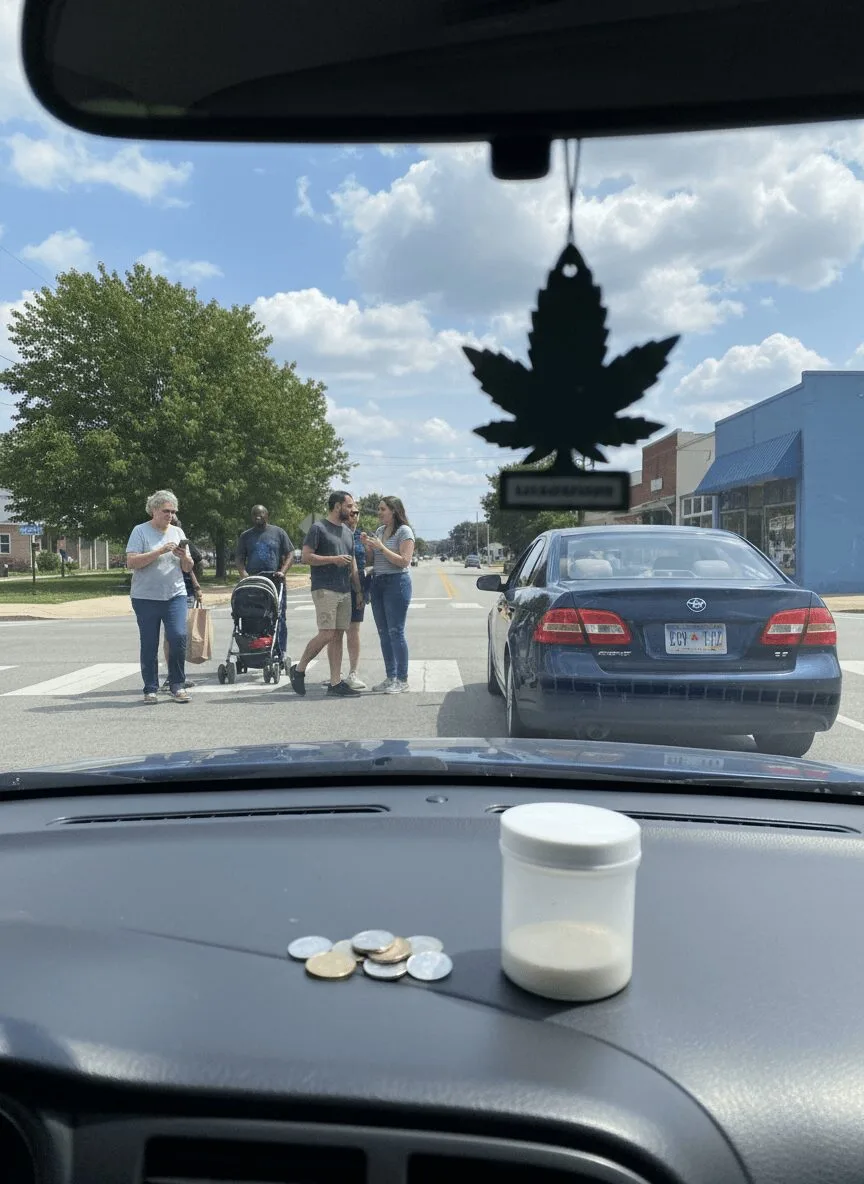
According to FOX59 News, the THC driver pedestrian incident took place in Blackford County, Indiana, when a local motorist allegedly struck a pedestrian in a marked crosswalk. Police obtained a blood sample that indicated the presence of THC metabolites. Legal filings made public on May 30, 2024, state that officers recovered a closed, legal cannabis container in the vehicle, along with a distinctive marijuana-themed air freshener. While the driver acknowledged using cannabis the previous day, there is no evidence yet confirming acute impairment at the time of the incident. The Indiana State Police and county prosecutors are now investigating whether charges will include DUI or if diminished impairment standards for cannabis may complicate prosecution. Community reactions are mixed. Some demand stricter enforcement for drivers with any trace of THC, while others, including advocacy groups, highlight the difference between metabolite detection and real impairment, as explained by the National Highway Traffic Safety Administration (NHTSA). In related news, awareness campaigns around roadside safety and checkpoints have increased, such as advice offered in what every driver should know about checkpoint procedures this year.
Expert Analysis & Industry Insights: Cannabis, Driving, and Due Process
The THC driver pedestrian incident illustrates the serious need for science-based policy, not just knee-jerk enforcement. As Leafly’s investigative series has shown, THC stays in your blood longer than its effects do, meaning a “positive” test doesn’t always correlate with intoxication. Dr. Marilyn Huestis, a leading toxicologist quoted in a NIH review, notes, “It is scientifically inaccurate to equate blood THC levels with current impairment.” This matters because cannabis, unlike alcohol, doesn’t have a simple, one-size-fits-all impairment window. Many advocates point out that other legal substances, such as prescription benzodiazepines and sleep medications, don’t automatically prompt DUI charges when metabolites are found. Leaders in the cannabis sector urge reform that focuses on actual impairment on the road, not outdated testing. As consumer education from organizations like Americans for Safe Access grows, today’s incidents can shape tomorrow’s smarter regulations. A recent policy shakeup at the federal level also signals reform is under serious consideration.
Future Outlook: Reform, Responsibility, and Positive Momentum from the THC Driver Pedestrian Incident
Let’s be real: one incident doesn’t define an entire community, but it can accelerate meaningful change. The THC driver pedestrian incident has reignited conversations among policymakers, industry leaders, and everyday consumers about what fair, data-driven cannabis regulation should look like. As legal standards mature—fueled by coverage in outlets like Marijuana Moment—the industry is carving out new norms centered on safety, responsibility, and transparency. The long-term impact of this case might be a regulatory framework that truly distinguishes between intoxication and legal, responsible cannabis use—ensuring public safety without rolling back hard-won freedoms. That’s the kind of progress we can all get behind—smarter laws, safer roads, and a thriving, stigma-free cannabis culture. Stay tuned; the future looks greener than ever.
Originally reported by: fox59.com

1 Comment
Pingback: NHS psilocybin implementation: Discover the Cutting-Edge Model