



Cannabis Emotional Boundaries: How Weed Changes Your Limits
Understanding cannabis emotional boundaries has never been more relevant. As mainstream acceptance grows, more people are openly discussing how cannabis impacts emotional health, intimacy, and personal limits. With emerging research and candid stories surfacing in places like High Times, consumers and advocates alike are navigating new social norms. This article unpacks why cannabis emotional boundaries are in the spotlight, what the science and culture say, and why the conversation matters for users and the industry.
The Evolving Landscape of Cannabis Emotional Boundaries
The cannabis industry is undergoing a dramatic evolution in the realm of emotional and social dynamics. As legalization rolls across states and countries, cannabis emotional boundaries have become central to harm reduction, relationship dynamics, and personal well-being. Many users are reporting shifting emotional landscapes, often tied to evolving product offerings and diverse consumption methods, as noted by Leafly Health News. For instance, in local markets such as Texas, new developments are having a noticeable impact on community perspectives and the broader economy, as seen in recent reports about how changes in the Texas marijuana economy could redefine prosperity. This broadened accessibility has increased mainstream discussions about the nuanced impact of cannabis on communication, vulnerability, and emotional self-regulation. Regulatory bodies, such as the CDC, outline guidelines on responsible consumption, directly acknowledging that emotional boundaries can be shifted or tested during use. Social acceptance is rising, yet stigmas remain, so conversations about cannabis emotional boundaries are increasingly nuanced and necessary, especially as more diverse user groups join the conversation.
Key Moments Shaping the Cannabis Emotional Boundaries Dialogue
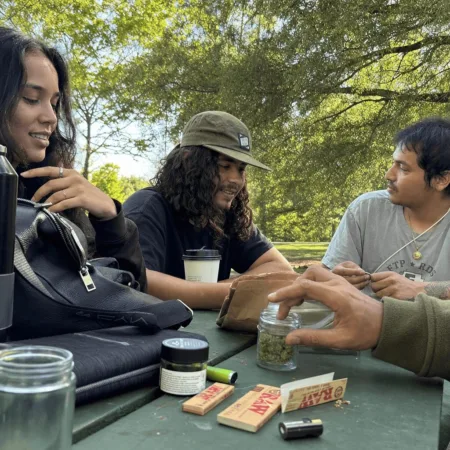
One pivotal moment in this discourse came from the revealing essay published by High Times, where users reflected candidly about how cannabis sometimes blurs their emotional limits. Drawing on years of experience and a diverse set of voices, the article dives deep into stories of moments where cannabis has amplified vulnerability or unexpectedly crossed personal comfort lines. In these narratives, situations arise where emotional boundaries shift, some for the better (sparking connection and open communication) and others with mixed results (anxiety, oversharing, or emotional fatigue). Legalization drives these stories into the open; in states like Colorado and California, dispensary staff now routinely offer guidance on emotional effects, as documented by Leafly Industry News. These issues echo recent events such as the opening of new cannabis shops in urban areas like Newark, which are shifting industry dynamics. Companies are developing strains and products tailored for emotional wellness, such as low-THC blends intended to promote calm without overwhelming social inhibition. These developments mark a new era where cannabis emotional boundaries are as important as dosage or cultivar choice. As more people engage in responsible discussion around these experiences, the market is responding with increased research, education, and access to support resources.
Expert Perspectives: The Real Impact of Cannabis on Emotional Boundaries
Industry analysts and clinical experts are weighing in on the cannabis emotional boundaries conversation with both caution and optimism. According to Psychology Today, regular users often report increased empathy and openness, sometimes at the expense of maintaining protective boundaries in group settings. Dr. Amanda Reiman, a respected cannabis researcher, notes, “Cannabis can facilitate vulnerability, but it’s important to check in with yourself and your community. It’s about conscious consumption and understanding your own needs.” (as quoted by Leafly Health.) In other cases, ongoing studies, including new findings on the hidden childhood impacts of cannabis use, reveal how emotional boundaries may be shaped earlier in life, such as research discussed in the study on cannabis use and paranoia in individuals with chaotic childhoods. These nuanced insights help frame cannabis not as a broad-spectrum solution but as a tool that recalibrates emotional boundaries—sometimes widening them, sometimes pushing them uncomfortably far. As a pro-cannabis advocate, I’ve seen first-hand how awareness, intentional dosing, and honest conversations help bring out the positive, finding that perfect balance between openness and self-care. Modern cannabis users aren’t just focused on their high, they’re re-evaluating relationships and seeking social spaces that honor personal boundaries while enjoying the plant’s benefits.
The Road Ahead: Cannabis Emotional Boundaries and a New Social Era
The exploration of cannabis emotional boundaries marks a cultural turning point. As industry leaders and researchers continue to tackle questions around mental health, emotional openness, and connection, the future looks bright for those who prioritize responsible, mindful practices. Growth in the sector is matched by better educational resources and support for diverse users—whether they’re seeking deeper connections or protecting their comfort zones. According to data by Brookings, broader legalization brings an unprecedented opportunity for honest, stigma-free exploration of cannabis’s social effects. With continued advocacy, research, and an emphasis on authenticity, the cannabis community is poised to redefine what it means to connect, respect, and set emotional boundaries—one session at a time.
Originally reported by: hightimes.com
1 Comment
Pingback: New York cannabis reinvestment grants: Unlock Funding Now