

Recreational cannabis legalization impact: Surprising market shifts
The recreational cannabis legalization impact is rocking urban markets with an energy few saw coming. From casual conversations in city parks to announcements shaking up the financial world, cannabis is rewriting the rules of the game. Why does this matter now? Major legislative changes and recent studies show the cannabis market’s evolution is much deeper than just new dispensaries. In this article, we’ll break down the nuanced shifts, the newest legal maneuvers, and what industry insiders are buzzing about after key findings and regulatory spotlights. Whether you’re an everyday consumer, curious investor, or just love good green gossip, this deep dive is for you.
Regulatory and Social Background: Navigating New Realities
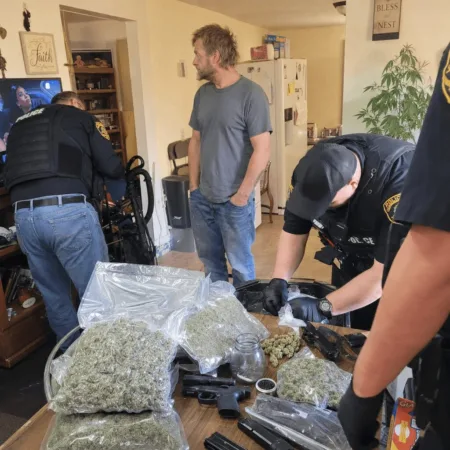
The recreational cannabis legalization impact didn’t start yesterday, it’s the result of years of shifting laws, high expectations, and constant adaptation by everyone from city councils to Fortune 500s. With over 23 U.S. states now green-lighting recreational cannabis use, according to NORML, the market is both competitive and complex. Rules differ by municipality, from possession limits to how taxes are allocated. Socially, public acceptance is at an all-time high, with more than 60% of Americans now supporting legal recreational access, as found by Pew Research. On the other hand, community conversations about issues such as youth exposure remain active in many neighborhoods, especially following recent incidents where child endangerment related to marijuana and alcohol has raised public concern. The marketplace is further shaped by overlapping federal uncertainty, regulatory hurdles, and a still-thriving legacy market. Major cities now find themselves at the crossroads, trying to balance expanded freedoms with persistent public safety concerns.
Core Developments and Market Shifts: The Real Story
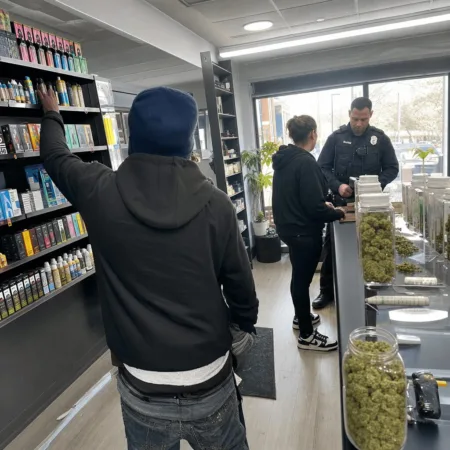
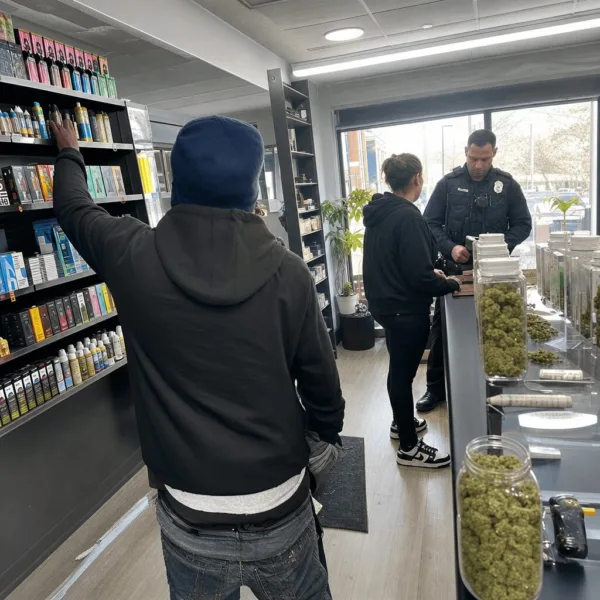
Recent data out of Colorado, California, and now Illinois is bringing fresh insights into the recreational cannabis legalization impact for 2024. According to EurekAlert, urban and suburban areas are experiencing surprising twists in consumer demand and product innovation. For example, Illinois, which legalized recreational use in 2020, reported monthly sales of over $140 million by March 2024. Meanwhile, traditional dispensaries are facing competition from delivery services and pop-up events—a regulatory gray zone getting increasing attention by state authorities. The ongoing transformation of retail locations, such as the repurposed sites previously housing dispensaries now considering alternative business uses reflects the complex regulatory shifts in these emerging markets. Notably, Leafly recently highlighted how small businesses are feeling pressure from multi-state operators who are setting the pace for technology, branding, and vertical integration. Add to that the emergence of new consumption lounges, public safety debates, and constantly updated city zoning laws, and it’s clear that the recreational cannabis legalization impact is anything but simple. The latest study cited by EurekAlert underscores these dynamics, showing that legacy product preferences, pricing wars, and accessibility are reshaping the urban cannabis landscape in unexpected ways.
Expert Analysis & Insights: What’s Beneath the Haze?
So, what’s really going on? Industry leaders agree, the recreational cannabis legalization impact isn’t just about sales, it’s also about access, inclusivity, and innovation. According to Marijuana Moment, experts predict even bigger shifts as states revisit taxation and licensing models to favor diverse local operators. Rachel Knox, MD, MBA (an influential voice in cannabis policy), recently said, We’re watching a unique social experiment unfold, legalization has the power to heal communities and drive economic growth when equitably implemented
(Forbes). Neighborhoods once excluded are now seeing cannabis jobs, reinvestment, and even public health campaigns. However, urban crime and controversy can sometimes intersect with the cannabis space, as seen in incidents where cannabis intersects with high-profile criminal cases, sparking broader cultural debates. Still, persistent barriers include federal banking restrictions and inconsistent city enforcement. Many urban consumers seek quality and ethical sourcing, prompting small businesses to double down on education and transparency. In short, the recreational cannabis legalization impact ripples through health, social equity, business innovation, and even cultural identity. More cities are adopting models rooted in harm reduction and restorative justice, following evidence from respected sources like Drug Policy Alliance.
Looking Ahead: Growth, Acceptance, and The Evolving Landscape
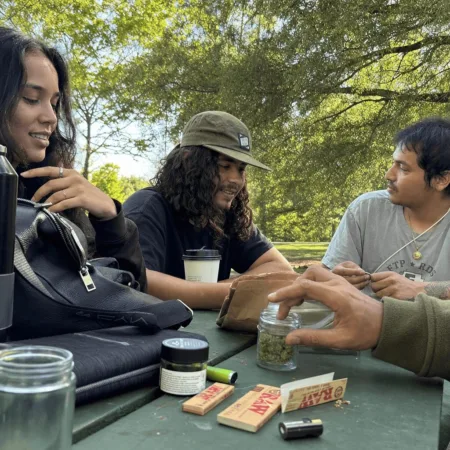
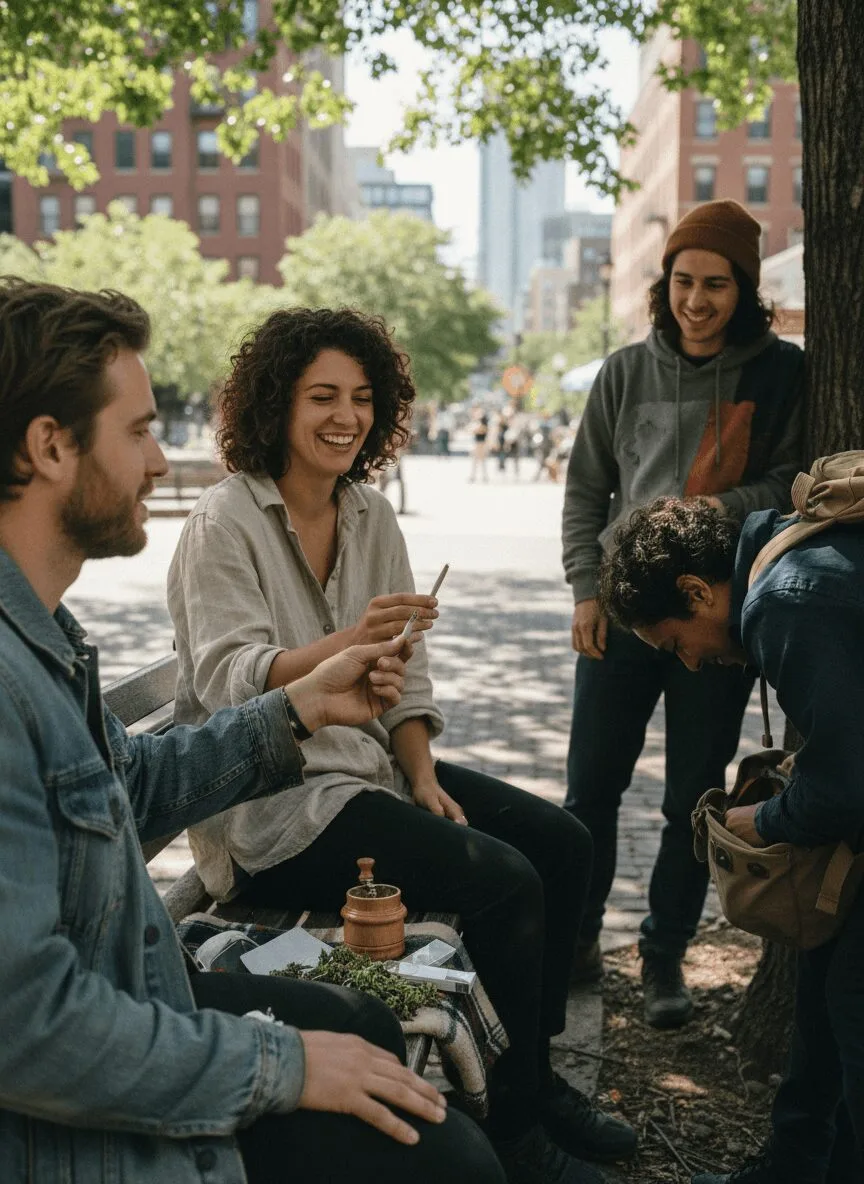
The future of the cannabis industry is bright, complex, and full of promise—especially as the recreational cannabis legalization impact continues to play out. With new policies emerging and mature markets sharing hard-won lessons, expect more innovation, easier access, and increasing normalization. According to Benzinga Cannabis, industry growth rates are set to outpace original projections well into the late 2020s. Social stigma is shrinking as consumers of all stripes embrace cannabis for recreation, wellness, and connection. Meanwhile, ambitious entrepreneurs, educators, and medical experts are shaping the scene with integrity and vision. If past trends are any sign, the biggest surprises lie ahead—with social, economic, and cultural impacts rippling far beyond today’s city parks. In short: stay tuned as the recreational cannabis legalization impact continues, and don’t be surprised if your favorite city bench becomes ground zero for the next great cannabis conversation.
Originally reported by: eurekalert.org