




Presque Isle marijuana moratorium: What it means for locals
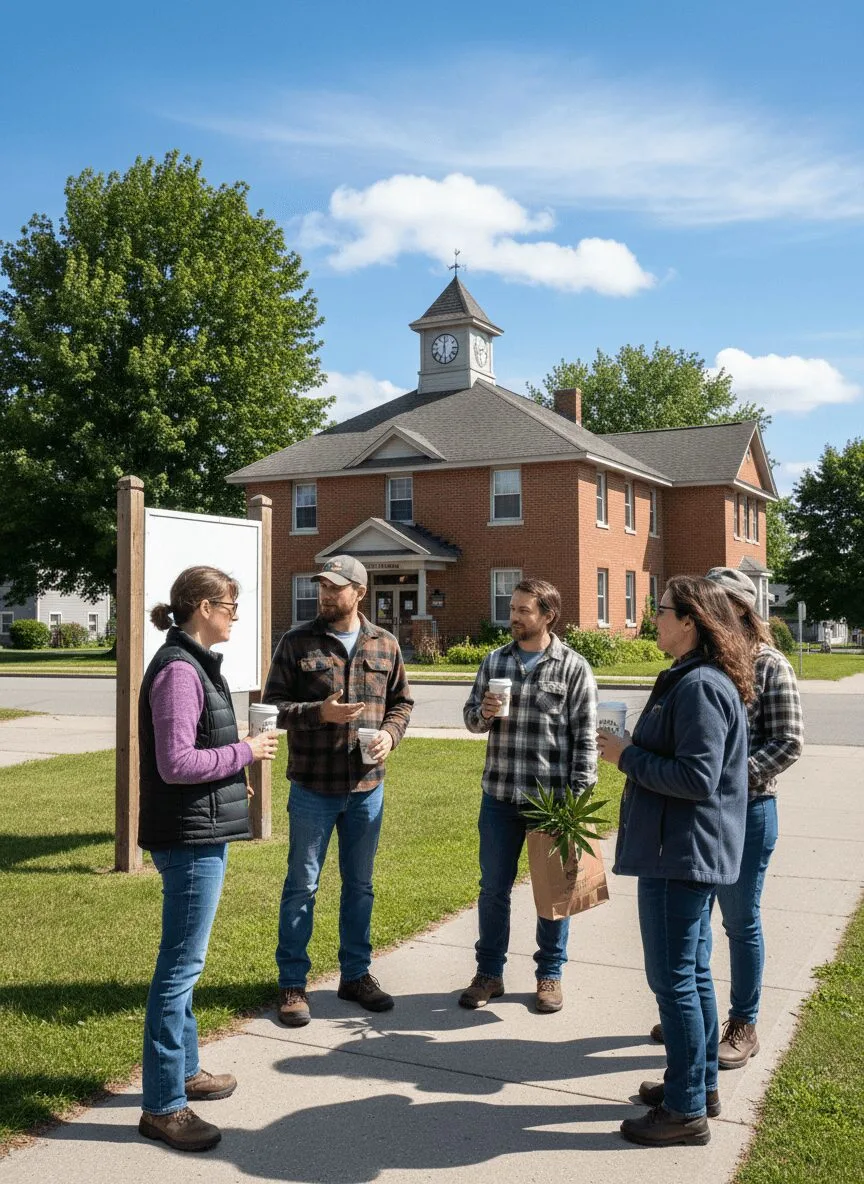
The Presque Isle marijuana moratorium is making headlines and sparking plenty of sidewalk conversations across town. In a state where cannabis is steadily shedding its stigma, local debates like this have real, on-the-ground effects—especially for businesses, consumers, and anyone with a stake in the evolving weed scene. With Presque Isle now considering a hold on new marijuana business licenses, there’s a lot more at play than just policy wrangling. Let’s break down what’s happening and why every local—canna-curious or not—should be paying attention.
Background: Why Presque Isle is Hitting Pause on Cannabis Businesses
Maine’s cannabis market has seen rapid growth since voters gave the green light to adult-use legalization in 2016, with communities across the state embracing the tax revenue, job creation, and thriving entrepreneurial spirit that comes with legal weed. Still, local governments reserve the right to limit, license, or outright restrict marijuana operations within their borders, even as statewide sales continue to climb, topping $158 million in 2023, according to Maine’s Office of Cannabis Policy. For Presque Isle, a classic ‘Main Street’ city in northern Maine’s Aroostook County, the recent surge in business applications seems to have triggered some civic whiplash. Many towns across the U.S. are balancing economic benefits against concerns about zoning, youth access, and community lifestyle changes, which is a debate also intensifying in other states such as Pennsylvania. Local moratoria like Presque Isle’s potential move are rarely about prohibiting cannabis outright, they’re often temporary holds that let town leaders reconsider regulations, public input, and compliance with evolving state rules. This mirrors a broader national trend, supported by experts at the National Conference of State Legislatures, of local governments navigating new cannabusiness terrain.
Key Developments: The Presque Isle Marijuana Moratorium in Action
On February 4, 2026, Presque Isle’s city council put forward a proposal to enact a temporary moratorium on new marijuana businesses. Specifically, this hold would block new retail, cultivation, or processing license applications while the council reviews current regulations. The moratorium comes after a wave of business proposals and as local officials grapple with issues like zoning, enforcement, and public health, challenges detailed by the Bangor Daily News.
The motion would leave existing cannabis businesses untouched, meaning local dispensaries and cultivators already licensed get to continue operating. Newcomers, however, including entrepreneurs just gearing up to chase the ‘green rush’, will be sidelined until the council reaches new decisions on ordinance updates, public hearings, or long-term rules. This mirrors actions in other states, with recent high-stakes debates over cannabis regulation in Ohio. According to council minutes and interviews published by the Bangor Daily News, the move reflects heightened interest from both pro-cannabis entrepreneurs and cautious neighbors worried about oversaturation and compliance headaches.
This isn’t the first time Maine towns have tapped the brakes, similar moves hit towns like Sanford and Augusta as highlighted in Central Maine News. But with Presque Isle’s status as a regional hub, the impact here could echo further, affecting jobs, local revenue, and market competition.
Expert Analysis: What This Means for Presque Isle and Cannabis Culture
Let’s get real, temporary moratoria might sound like bureaucratic speedbumps, but they’re also proof the cannabis industry is officially big-business territory. Regulatory scrutiny comes with the gig. As local industry consultant Jamie Stone told the Marijuana Moment, “When towns put moratoriums in place, it forces honest conversations about what responsible legal cannabis should look like. It’s not about fear. It’s about getting it right so everyone wins.”
For Presque Isle, this moratorium is more than a pause button, it reflects the growing pains and opportunities so many communities face, much like Oklahoma where medical marijuana program changes have major impacts on patients and dispensaries. Just look at Massachusetts or Illinois, where retail boomed, and some towns later played catch-up on zoning, public health guardrails, or tax allocation (Cannabis Industry Journal). Smart locals know these holds can be a chance to influence better rules, like stronger equity licensing, fairer enforcement, and clearer guidelines to keep the industry safe and sustainable.
From a cannabis advocate’s view, these debates are the stuff of healthy democracy. Sure, it means hustlers chasing new licenses have to wait a bit, but it also gives legit operators time to build deeper community trust. Put simply, local engagement is the gateway to a hometown cannabis future that truly works for everyone.
Looking Ahead: Presque Isle and Maine’s Greener Future
Even as the Presque Isle marijuana moratorium puts a pause on new ventures, the tide rolling in for cannabis is still far from receding. Whether it’s jobs, tax revenue, or reducing illicit market risks, legal cannabis has already transformed local economies all across Maine. As highlighted by the Maine Office of Cannabis Policy, when municipalities work with—rather than against—this green wave, everyone wins.
Presque Isle now stands at the crossroads: Take advantage of this pause to craft thoughtful, fair, and future-proof rules. If done well, this moratorium could mean safer, more responsible growth—attracting quality operators, keeping neighborhoods happy, and ensuring the community’s voice stays at the heart of local policy. The next chapter of Maine’s cannabis story is just starting, and Presque Isle’s debates today will shape tomorrow’s opportunities. One thing’s for sure: The cannabis conversation is here to stay, and if history’s any clue, small towns like Presque Isle are poised to do things their way—one ordinance (and one lively debate) at a time.
Originally reported by: bangordailynews.com