




Delta-9 sales ban minors: Lawmakers push for swift protection
Alright, here’s what’s lighting up the conversation—lawmakers across the country are stepping up in response to the Delta-9 sales ban minors initiative. With the market for hemp-derived THC products exploding, communities are now calling out for more robust protections for young people, and state legislators appear eager to deliver. The conversation isn’t just about regulation; it’s about navigating the evolving patchwork of cannabis laws, ensuring fairness for businesses, and, most importantly, keeping minors safe without derailing responsible adult use. This is one headline you’ll want to keep your eyes on, because what happens with the Delta-9 sales ban minors could set the tone for nationwide policy and shape the future of the industry itself.
The Changing Landscape: Legal, Social, and Regulatory Forces
Whether you’re a cannabis insider or just THC-curious, it’s obvious the market and laws around products like Delta-9 THC are shifting fast. Why? Because Congress set off a chain reaction with the 2018 Farm Bill, legalizing hemp yet unintentionally opening doors to all sorts of intoxicating hemp derivatives, including Delta-9. As reported by authoritative outlets such as Marijuana Moment, this loophole has given rise to hundreds of new edibles, vapes, and infused sodas that are hemp-derived but mimic the effects, and sometimes the risks, of regulated cannabis. With few age limits baked in, states like South Dakota have seen a worrying uptick in accessibility, specifically for teens. Local advocacy coalitions, school officials, and public health experts are raising their voices for intervention. At the same time, cannabis businesses face a delicate balancing act: stay compliant, keep profits up, and avoid a PR nightmare. Recent changes in Virginia’s adult-use cannabis law highlight how various states are reconsidering regulation to address new public health concerns—check out details on how Virginia updated its adult-use cannabis regulations in 2024. The push for a Delta-9 sales ban minors regulation could not only close troubling loopholes but also set essential standards for youth protections across the hemp and cannabis sectors. It’s no wonder this battle is front and center in statehouses, from Pierre to Atlanta and beyond.
What’s Going Down: Key Developments and New Legislation
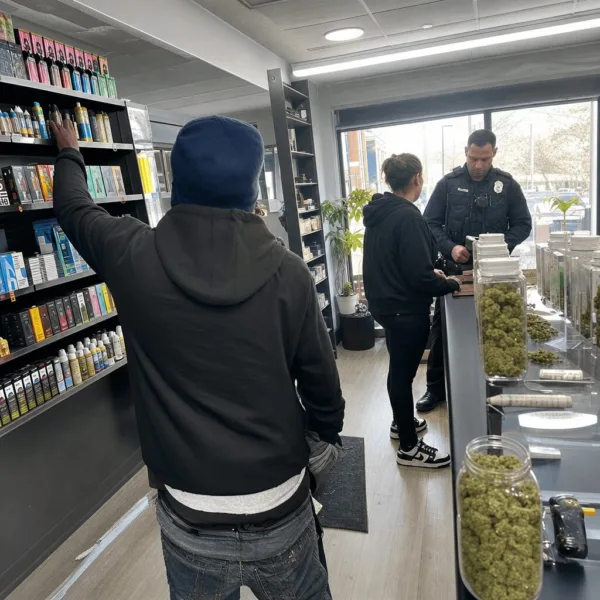
The spark for the current debate? A new bill introduced to the South Dakota Legislature on January 20, 2026, aiming to ban all retail sales of Delta-9 products to anyone under 21. According to South Dakota Searchlight, the bipartisan legislation leaped through its first committee hearing with little resistance, indicating momentum and likely easy passage. Here’s the nitty-gritty: The law targets not just traditional dispensaries, but also convenience stores and gas stations where hemp-derived Delta-9 gummies, beverages, and vapes have been easy scores for minors. For retailers and businesses tracking the shift toward greater responsibility, intelligent cannabis security measures show how modern compliance can improve age checks and prevent sales to minors. The bill specifically spells out fines for shop owners caught selling Delta-9 to those underage, adding real teeth to enforcement. Notably, several lawmakers cited a flurry of recent incidents in which minors were able to buy these products, sometimes without age checks at all. Leading the charge are a coalition of lawmakers backed by local health officers and supported by the South Dakota Retailers Association. With this rapid response, South Dakota could become a model for other states wrestling with hemp product regulation. All eyes are now on the governor’s desk as the bill pushes forward, a clear sign that the wheels of change are spinning fast for the Delta-9 sales ban minors cause.
Analysis from the Field: What It Means for Cannabis Culture and Industry
Let’s keep it real: This isn’t just a tug-of-war between regulators and retailers. The Delta-9 sales ban minors debate highlights a core truth, mainstream cannabis is growing up, and with maturity comes responsibility. Industry experts report that effective age-gating not only protects minors but strengthens consumer trust. According to Leafly, public scrutiny has never been higher. As Dr. Ethan Russo, renowned cannabis researcher, put it, “Setting clear legal guidelines for cannabinoid products is critical for public health and the credibility of the entire sector.” In practice, that means the smartest dispensaries and manufacturers are already voluntarily adopting strict ID checks and transparent labeling. Their logic? Fewer messes today means fewer crackdowns tomorrow. When it comes to maintaining lasting growth and credibility, Colorado’s success with a medical-grade cannabis pharmacy has set a bar for robust regulatory standards—learn more about Colorado’s approach to medical cannabis pharmacies. Regulatory agencies, like the Colorado Marijuana Enforcement Division, have praised proactive retailers for helping set the standard. So, sure, some see tighter laws as a buzz-kill. But proactive, reasonable rules on Delta-9 sales ban minors can actually keep innovation thriving while making weed culture more mainstream, translation: good for everyone.
Future Outlook: Growth, Innovation, and Safer Communities Ahead
So, what’s next on this smokey journey? If the current trend holds, expect more states to introduce—and pass—bills echoing South Dakota’s robust approach to Delta-9 sales ban minors. Experts predict smoother, more consistent rules coast to coast, with greater consumer safety and long-term legitimacy for hemp and cannabis companies. Public sentiment, too, is shifting: Surveys from the Pew Research Center consistently show broad majorities supporting sensible regulation over prohibition. As youth protections become standard, the stigma around legal cannabis could fade even further, unlocking new markets and innovations—think better-infused products, more science-based education, and maybe one day, no more surprises at the corner store. The Delta-9 sales ban minors story is a big chapter in an ongoing saga of progress, signaling just how far the culture and business of cannabis have come—and how much farther they’re set to grow.
Originally reported by: southdakotasearchlight.com


1 Comment
Pingback: New Jersey psilocybin pilot: What Murphy's new law means