



Nevada marijuana policy: The Critical Mistake Everyone’s Missing
If you’ve been keeping an eye on the evolving cannabis landscape in the Silver State, the conversation around Nevada marijuana policy is heating up again. From market expansion and new regulations to the lingering divide between federal and state law, current developments are more than just smoke and mirrors. The state’s recent policy shake-ups have far-reaching consequences—affecting consumers, dispensaries, medical patients, and communities statewide. Let’s break down the facts, dig into the controversy, and see what really matters for the future of Nevada marijuana policy.
The History and Landscape of Nevada Marijuana Policy
Nevada marijuana policy hasn’t always been this wild, far from it. Cannabis became legal for medical use back in 2000 and for recreational use in 2017 after voters passed Ballot Question 2. This put Nevada on the shortlist of states leading the charge for progressive cannabis reform. Since then, the Nevada Cannabis Compliance Board (CCB) has set the regulatory tempo, balancing public health, industry growth, and enforcement concerns (official CCB site). Strict state testing guidelines, evolving local zoning laws, and licensing lotteries have each shaped the market. Still, questions keep cropping up: How might cannabis tax policies impact dispensary experiences and retail prices for Nevada consumers? Who’s really benefiting from the boom? As the national tide turns, with states like New York and Illinois also expanding their legalization efforts (New York Academy of Sciences), Nevada faces fresh pressure to get cannabis regulation right and keep its industry competitive.
Key Developments & Issues: The Heart of the Nevada Marijuana Policy Debate
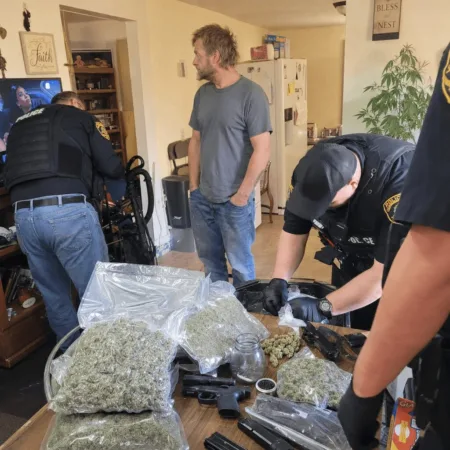
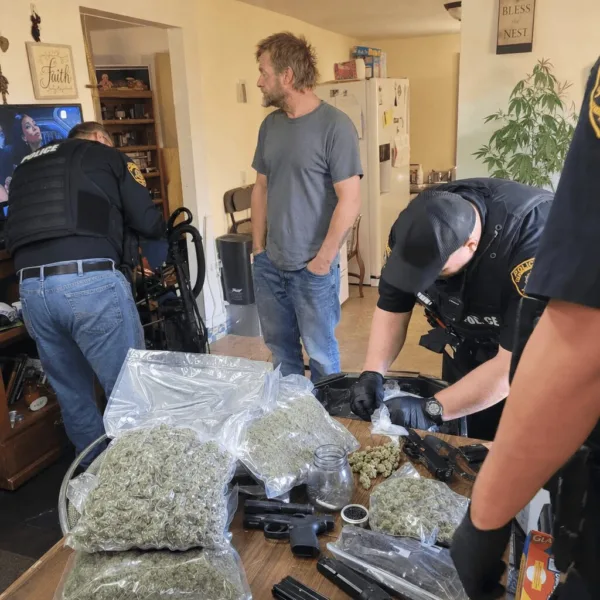
The most recent debate on Nevada marijuana policy revolves around a critical oversight in local governance and state-level decision-making, highlighted in a January 10, 2026 analysis by industry advocate Jim Hartman (Nevada Appeal). Hartman argues that policymakers and the Cannabis Compliance Board are missing key details that could undermine both public safety and industry progress. According to his commentary, Nevada’s latest round of regulatory actions may end up punishing responsible operators while letting illicit actors slip through the cracks. The CCB’s new proposals, designed to update enforcement and reporting standards, aim for improved transparency but risk making compliance more complicated for small, independent businesses. In December 2025, the board proposed enhanced metrics for seed-to-sale tracking and stricter penalties for license violations. Dispensaries and advocacy groups, including the Nevada Dispensary Association, have expressed concerns about the potential for overregulation. Some municipalities remain hesitant about expanding cannabis lounges, worrying over public nuisance and law enforcement burdens (Las Vegas Review-Journal). Concerns over law enforcement and community tensions echo nationwide, as seen in other jurisdictions grappling with marijuana-related arrests and reform. Meanwhile, consumers are left wondering if increased bureaucracy will mean higher prices and less access. In short, the policy tug-of-war isn’t just about law, it’s about real impacts on everyday Nevadans who rely on a safe, legal cannabis market.
Expert Analysis, Industry Insights, and A Pro-Cannabis Counterpoint
So what’s the big deal with Nevada marijuana policy? Ask any seasoned budtender or operator and they’ll tell you: regulatory tweaks can make or break the market. Overly punitive measures threaten to push legitimate businesses out, opening the door to the exact black-market activity the state wants to avoid. As Leafly notes, “A patchwork of unclear or excessive regulation not only creates confusion, it stifles innovation and ultimately hurts the consumer.” Renowned cannabis researcher Dr. Amanda Reiman summed it up best: “Prohibition didn’t work, and overregulating won’t either. Sound Nevada marijuana policy should empower consumers and responsible industry players, not bog them down in red tape.” In addition, educational efforts such as industry-specific certificate programs demonstrate how professional development aligns with regulatory changes in cannabis markets. Recent research from NORML and the Drug Policy Alliance underscores that effective cannabis policy is best built on evidence and transparency. By involving community experts, patients, and licensed operators in the policymaking process, Nevada can set a new bar for balanced, health-driven regulation. The real mistake is forgetting who legalization was supposed to benefit in the first place.
Future Outlook: Moving Toward a Smarter, Greener Nevada Marijuana Policy
There’s no going back—the cannabis genie is out of the bottle. Nevada marijuana policy debates will keep evolving as the market matures and public support grows. With recreational sales continually climbing and medical usage holding steady, the Silver State is primed to lead in responsible, innovative cannabis governance. Industry experts expect that broader social acceptance, improved technology for tracking and compliance, and better education for both lawmakers and the public can close gaps and drive out bad actors (Forbes). Ultimately, the future looks bright—if Nevada’s leaders keep their eyes on inclusivity, fairness, and real consumer safety. The stakes are high, but so are the rewards for getting Nevada marijuana policy right—blazing a positive path not just for the state, but for the whole country’s shifting cannabis mindset.
Originally reported by: nevadaappeal.com