

Grafton man marijuana charges: what really happened?
The “Grafton man marijuana charges” headline is burning up the feeds—and let’s be real, it’s about more than one dude facing charges. This story hits right where legalization, shifting attitudes, and uneven enforcement collide. In 2024, every marijuana charge reflects ongoing debates about criminal justice, state regulation, and the fight for cannabis normalization. So, what actually happened, and what does it reveal about where things stand for cannabis users in Grafton and Massachusetts? Stick around, because we’re diving deep on why these charges matter and how they fit the bigger picture.
Understanding Grafton’s Cannabis Laws: The Real Backdrop
Before we break down the “Grafton man marijuana charges” drama, let’s put the situation in context. Massachusetts legalized recreational cannabis in 2016, rapidly becoming a regional leader in cannabis reform (source: Cannabis Control Commission). Adults 21+ can lawfully possess up to 1 ounce in public, up to 10 ounces at home, and cultivate six plants per adult. But, while cannabis is legal, carrying more than legal amounts, selling without a license, or possessing in unsecured ways can still get you charged. For context, other states face their own evolving cannabis laws, sometimes creating confusing landscapes for residents and law enforcement, as seen in recent big changes to Alabama’s medical marijuana program. Law enforcement practices can vary widely between towns, and even next door to Boston, some suburbs play by stricter, old-school interpretations. The social climate is evolving, as Massachusetts polls show overwhelming support for adult-use marijuana (Boston.com, 2024), but stigma and selective enforcement limitations linger, especially in smaller communities. So, even when the law seems clear, the reality gets hazy based on local interpretation and circumstances.
Key Developments: What Really Happened in the Grafton Man Marijuana Charges Case?
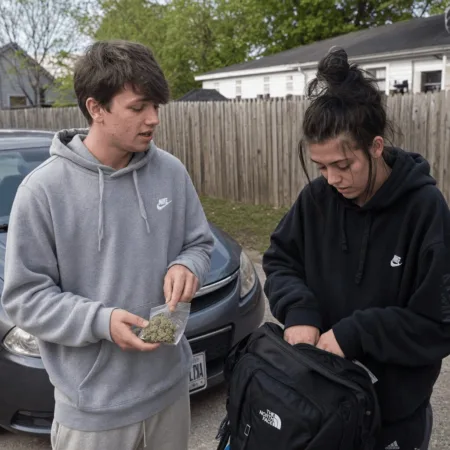
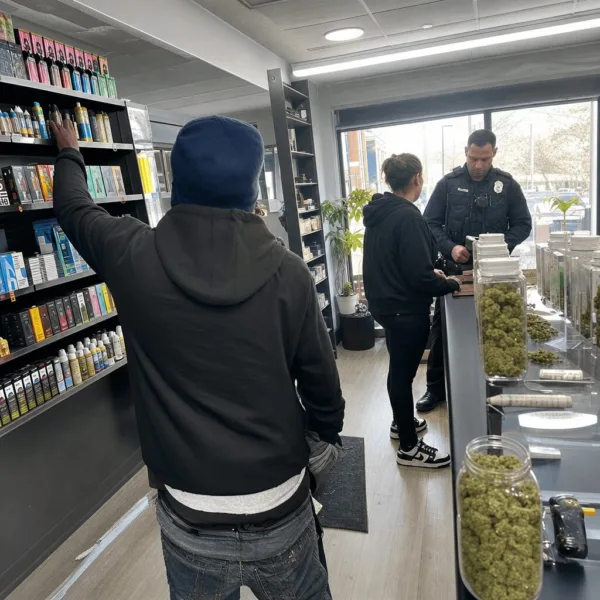
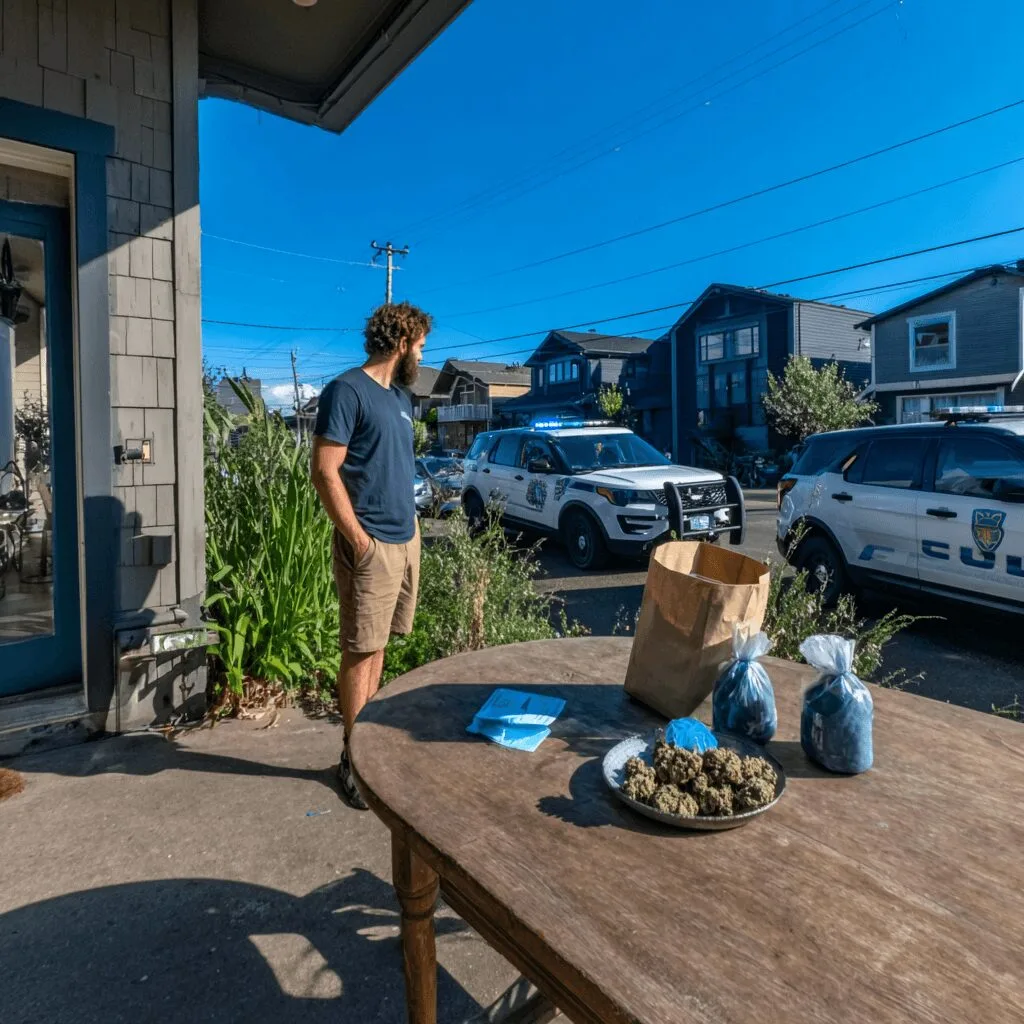
Let’s roll through what went down. According to multiple news sources including Boston 25 News, a 27-year-old Grafton resident ended up in legal hot water after authorities responded to a tip. Police arrived at a quiet suburban property and, after investigation, reportedly found cannabis in quantities that exceeded the state’s legal limit for possession, as well as paraphernalia suggesting intent to distribute. This type of heightened law enforcement scrutiny around the Grafton man marijuana charges case echoes larger discussions across the U.S. about the line between lawful use and criminal overreach, similar to ongoing debates highlighted in Ohio’s recent marijuana law pushback brought by grassroots activists. The incident occurred during a routine weekday afternoon, and while specific dates are still emerging in the court filings, the bust went down in early June 2024. Police on scene included both Grafton PD and a regional anti-narcotics task force. The charges filed involved possession with intent to distribute—a far more severe charge than simple possession. According to charging documents and statements by Grafton police officials, additional scrutiny was driven by the presence of baggies, rolling papers, and what law enforcement characterized as “distribution-related” packaging. As is standard in Massachusetts, the defendant’s legal process will include an arraignment and, potentially, a pre-trial diversion program, depending on prior record and case details.
Expert Analysis: What the Grafton Man Marijuana Charges Reveal
As someone who’s been in the Massachusetts cannabis world since flower was slang, not product labeling, let me break it down: The “Grafton man marijuana charges” story highlights the friction between modern weed culture and the fading, but not faded, era of weed prohibition. The amounts cited in these cases often straddle the fuzzy line between personal use and “intent to distribute,” a distinction critics say is open to subjective interpretation by local law enforcement. Industry leaders, like NORML’s Paul Armentano, have long pointed out that “Enforcement of marijuana laws often falls unevenly, reflecting outdated attitudes more than actual harm” (NORML, 2023). Some communities and police departments still apply maximum force to gray-area incidents; it’s a potent reminder that full legalization isn’t just about changing state law, but about evolving law enforcement, social attitudes, and judicial practices. Incidents like this underline why ongoing efforts toward smarter criminal justice reform are so vital, similar to the way controversial arrests elsewhere, such as the recent Marquette drug arrest, spark wider discussions about cannabis policy nationwide.
Looking Forward: What’s Next After the Grafton Man Marijuana Charges?
The Grafton man marijuana charges case is just the latest chapter in a story that’s still being written across Massachusetts. As industry watchers and advocates will tell you—see Leafly’s analysis—this is a phase of growing pains as cannabis culture and policy gain mainstream acceptance. We’re seeing state regulators, law enforcement, and community groups slowly embrace smarter, more balanced approaches to enforcement and social justice. The good news? Each case like this energizes conversations that lead to progress. Even as setbacks pop up, the trend toward decriminalization, sensible regulation, and social equity is—like a stubborn indica—hard to slow down. The cannabis community stands ready for the future: one where headlines like “Grafton man marijuana charges” are relics, not recurring news.
Originally reported by: facebook.com