


Police Marijuana Destruction Procedure: Inside The Real Process
With legalization, decriminalization, and the green rush fueling debate, the police marijuana destruction procedure is now under the microscope like never before. Recent headlines and public scrutiny highlight how law enforcement handles seized cannabis—from collection to final disposal. As more states, like Illinois and California, update their marijuana policies, attention to destruction methods has never been sharper. We’ll unpack the facts, real-world challenges, and what this means for cannabis advocates, industry pros, and everyday consumers alike.
The Regulatory Maze: Cannabis, Law, and Destruction Protocols
The police marijuana destruction procedure exists in a complicated intersection of outmoded drug-war policies and rapidly evolving cannabis legislation. Most U.S. states now have some form of legalized medical or recreational cannabis, but many still mandate police to seize and destroy illegally grown or trafficked marijuana. According to the National Conference of State Legislatures, regulations for cannabis disposal vary widely. Procedures must balance public safety, accountability, and environmental guidelines. Destruction often means burning or shredding large quantities, but how and when depend on state or even county-specific laws. Law enforcement agencies must document every step, and public trust hinges on these protocols being visible, consistent, and securely managed. In states with fresh reforms, police sometimes struggle to adapt protocols, creating tension between enforcement and evolving public attitudes, as seen in recent debates about changing rules such as significant updates for cannabis microbusinesses in Missouri.
Recent Headlines: Transparency and Trust in Focus
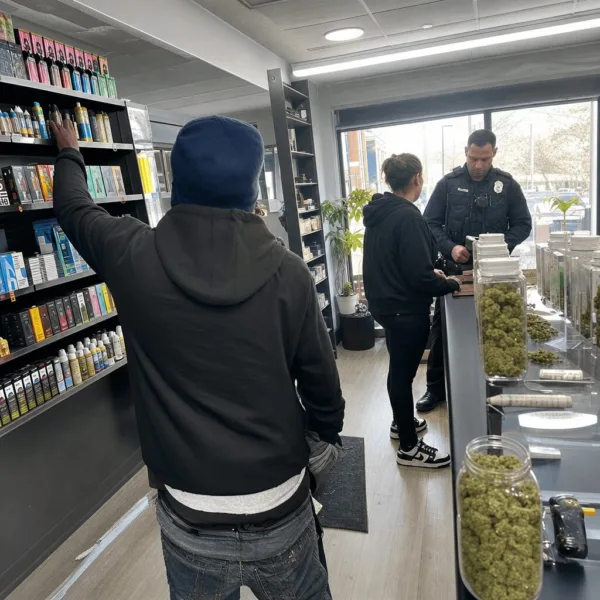
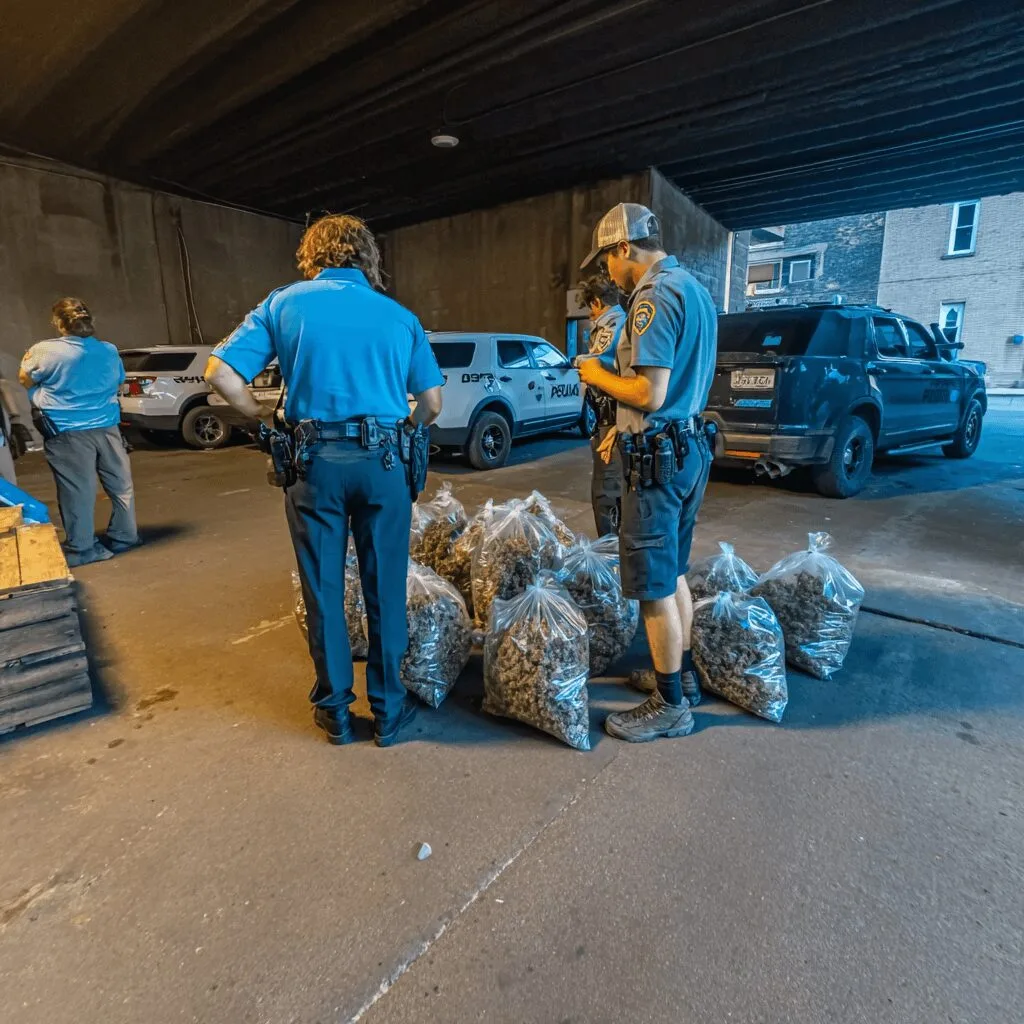
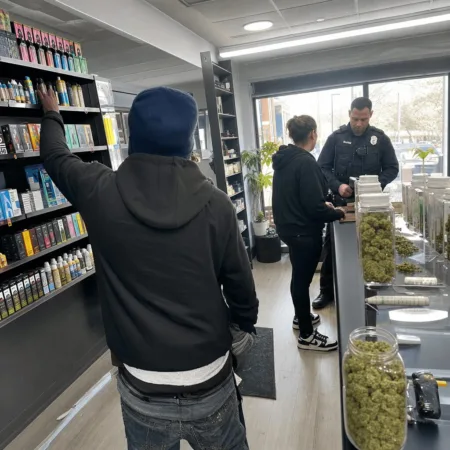
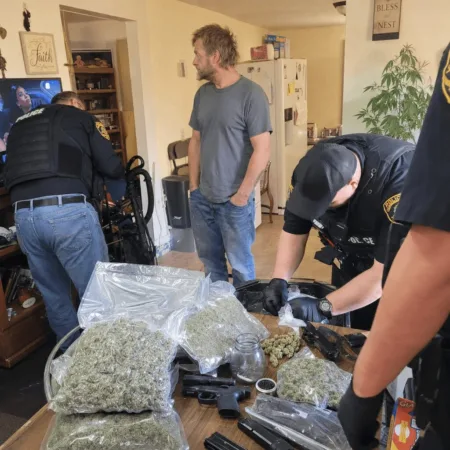
The most recent spotlight on the police marijuana destruction procedure stemmed from Trinidad and Tobago, where officials sought better procedures after reports of typical backlogs and transparency issues. As reported by Trinidad Express (source), law enforcement described frequent scenarios where seized cannabis—sometimes hundreds of pounds—is moved, stored, and waited on for official destruction orders. The process typically happens on police premises, with officers required to handle cannabis in full view, tallying weight for evidence logs. Delays aren’t just bureaucratic, questions about potential diversion, chain-of-custody lapses, or environmental hazards create friction with both the public and the courts. Trinidad police acknowledged operational hiccups, emphasizing that procedures are routinely audited but, like elsewhere, face calls for modernization and more rigorous oversight. Comparably, issues of transparency have also surfaced in places facing industry controversies, such as the ongoing debate about cannabis business advertising in Chico, reflecting broader demands for clear regulatory practices.
Expert Take: Lessons from Global Reform and Industry Insights
Industry observers and cannabis watchdogs agree: a well-documented police marijuana destruction procedure is essential for trust. According to Leafly‘s cannabis law analyst Bruce Barcott, “Unregulated or poorly supervised destruction processes breed suspicion. Transparent, community-involved destruction—like third-party oversight or livestreamed events—can help rebuild lost trust.” Another critical angle is the environmental factor: experts such as the Americans for Safe Access organization have urged departments to develop greener protocols, pointing out that open burning can release toxic chemicals. Echoing industry-wide calls for accountability, NORML’s regional director recently noted, “Destruction is necessary under current statutes, but procedures must evolve alongside legalization to prevent errors or even abuse.” This underscores why updates to the police marijuana destruction procedure often spark heated, and necessary, debate across the cannabis sector. For those interested in how states are responding to legalization and reform pressures, recent commentary on the cannabis rescheduling debate highlights the ongoing complexities and evolving standards within the industry.
Looking Ahead: Reform, Responsibility, and a Greener Future
The ongoing evolution of the police marijuana destruction procedure signals a broader shift in how society handles cannabis—from law enforcement to local governments and consumers themselves. As reform sweeps across North America and beyond, transparency and modernization are key themes shaping these protocols. According to the Drug Policy Alliance, collaboration between law enforcement, environmental experts, and the cannabis community will define best practices going forward. With greater oversight, better training, and constant review, police agencies can address both legal obligations and community trust. For cannabis advocates, this process symbolizes forward progress—paving the way for policies built on science, equity, and social acceptance. Expect ongoing improvements as industry voices and reformers push for credible, fair, and sustainable solutions.
Originally reported by: trinidadexpress.com
1 Comment
Pingback: Kansas drug trafficking arrest: Shocking couple bust revealed