

Cannabis Business Sign Controversy: See Why Chico Is Divided
The cannabis business sign controversy is firing up passionate debates in Chico this week. As cannabis retail expands in California, public signage and visibility have become flashpoints. Local parents, advocates, and officials are clashing over what cannabis-friendly branding means for public spaces and youth. This ongoing dispute around the Oregrown storefront’s sign in a central recreation area reveals the shifting landscape of cannabis culture, law, and neighborhood norms. Here’s the inside scoop on what’s happening, why it matters, and how it reflects bigger trends across the industry.
Understanding the Background: Regulation, Branding, and Social Shifts
Since California greenlit legal adult-use cannabis in 2016 (California Department of Cannabis Control), communities have been navigating new regulatory and cultural challenges. Local governments, armed with control over land use, have drafted their own signage rules, balancing business rights with child welfare concerns. Most California cities ban neon pot leaves and slogan-heavy billboards near schools or parks (see The New York Times coverage on cannabis signage regulation). Simultaneously, cannabis brands, anxious to signal legitimacy, are dialing up visibility by adopting cleaner, less stereotypical imagery. This friction creates fertile ground for disputes like the current cannabis business sign controversy as evolving attitudes collide with local anxieties in public spaces.
Key Facts: Breaking Down Chico’s Cannabis Business Sign Controversy
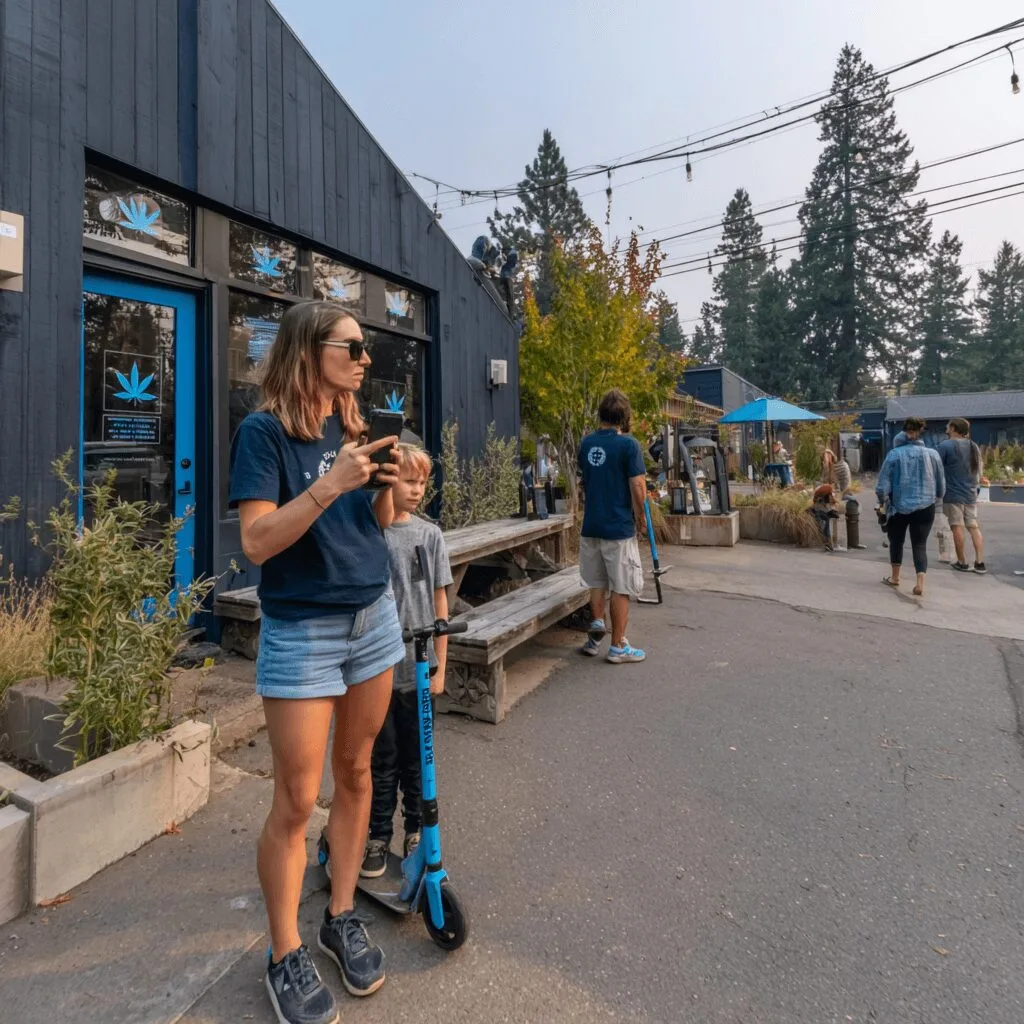
The latest cannabis business sign controversy in Chico revolves around the Oregrown storefront, which features subtle cannabis leaf motifs in its downtown location. Last week, a local parent raised concerns to the Chico Area Recreation and Park District (CARD) after noticing the shop’s sign was visible from a nearby playground (Action News Now report). The parent, backed by a small but vocal group, argued that even discreet cannabis branding near children’s spaces could normalize usage or promote curiosity. CARD acknowledged the concern, revealing that they’ve received several comments about cannabis signage in the past year, but noted that Oregrown’s current sign appears compliant with city ordinances. City officials cited Chico’s municipal code (which is consistent with California’s state regulations) stating that cannabis retail signage should not be “obtrusive,” and must avoid explicit displays aimed at minors. According to January 2024 meeting minutes, the issue was placed on the agenda for further review but no immediate changes were ordered. As regulatory conversations unfold, the evolving cannabis retail landscape in places like Arkansas shows how quickly legal frameworks can shift and impact communities (see recent changes in other states).
Meanwhile, Oregrown maintains that its branding is both minimal and fully permitted. Representatives emphasize their longstanding focus on responsible community engagement and adherence to all local rules. Passersby in the park and shop customers offered mixed reactions, highlighting a familiar cultural and generational split similar to shifts seen in Michigan’s changing cannabis and craft beer scene (explore cultural impacts in other regions).
Expert Insight: Industry Trends and Societal Impacts
Chico’s cannabis business sign controversy is really a microcosm of statewide, and even national, tensions. As retail brands seek visibility and legitimacy, their approach to marketing collides with evolving notions of family-friendly spaces. Industry reports, such as those from MJBizDaily, show that signage disputes spike wherever new shops open near parks, schools, or business corridors. “The balance between marketing freedom and community sensitivities is one of the defining challenges for cannabis retail in post-prohibition America,” notes Dr. Amanda Reiman, a prominent cannabis policy expert with the Drug Policy Alliance. She adds, “Thoughtful, compliant signage does more to destigmatize than to promote misuse, education and normalization should be our focus.” In Chico, advocates stress that subtle cannabis branding reflects the industry’s maturing approach, distancing itself from outdated stereotypes. Yet, some worry even minimal symbols can reinforce youth curiosity. According to a RAND Corporation study, parental engagement and education—not signage—are far more predictive of youth cannabis perceptions and choices. For insight on broader medical impacts and narratives from advocates, readers can look at healing stories and expert perspectives detailed in recent patient-focused analyses.
Looking Ahead: Bridging Differences in the Cannabis Business Sign Controversy
Chico’s ongoing cannabis business sign controversy is part of a bigger journey as America adapts to legal cannabis. The signs themselves are just the surface of deeper social and generational learning curves. As more communities face these debates, regulators are likely to refine guidelines, balancing business rights with genuine youth protection. Industry observers, like those at Leafly News, predict that public education and nuanced policy will win over blanket bans and scare tactics. For Chico, this could mean future signage policies shaped by authentic dialogue, proven prevention methods, and respect for cannabis’ expanding place in mainstream society. The market—and our attitudes—are growing up together, and that’s a good thing. With proactive participation from all sides, the cannabis business sign controversy could actually become a catalyst for positive change and greater community trust.
Originally reported by: actionnewsnow.com