


Social Isolation Cannabis Disorder: Understand the Real Impact
The conversation around social isolation cannabis disorder is hitting new highs. With both cannabis culture and mental health on center stage, this discussion is more relevant than ever. Recent news highlights how cannabis use can intersect with feelings of loneliness, especially in a post-pandemic world where social circles have shrunk and personal connections seem harder to rekindle. Consumers, regulators, and advocates are all paying closer attention to how isolation and cannabis use overlap. This article dives into where real-life experience meets research, untangling fact from myth and exploring what social isolation cannabis disorder truly means today.
Understanding the Background: Laws, Social Shifts, and Cannabis Consumption
It’s no secret: the cannabis market is booming, and acceptance is spreading like wildfire. According to Pew Research, nearly 90% of Americans support legalizing cannabis in some form. As regulations relax in states from California to New York, more adults are exploring the plant’s benefits, and risks. But with legalization comes responsibility, both for companies and consumers. Modern cannabis is potent and varied, with THC levels sometimes topping 25%. Meanwhile, the COVID-19 pandemic changed how many people relate to their social circles, leaving a mark on mental health. Social isolation cannabis disorder becomes especially relevant when discussing how these shifts impact users, particularly as new stories emerge—such as how serious car accidents involving marijuana and alcohol raise fresh questions about substance use and public safety, as highlighted here. At the same time, stigma around cannabis is shrinking, making it easier to talk about negatives along with positives. Industry experts and medical journals, including PubMed, now regularly address the mental and emotional dimensions of cannabis use. Understanding these changes is essential if we want honest, supportive conversations and policies.
Recent Developments: Cannabis, Loneliness, and Mental Health Under the Microscope
So, what’s actually happening with social isolation cannabis disorder? According to a recent peer-reviewed study in PubMed, patterns of cannabis use are changing right alongside our social lives. The research, published in June 2024, tracked young adults in both legalized and non-legalized regions. It found a measurable uptick in individuals using cannabis as a coping mechanism for loneliness, especially among 18-24 year-olds. The study highlights key moments, such as post-pandemic social distancing measures, when usage spiked. Researchers specifically noted that extended periods without face-to-face contact made some people more likely to turn to cannabis, not just for recreation but for relief from isolation and anxiety, which reflects the hidden struggle many face with ongoing dependence—further explored in recent reports.
This isn’t happening in a vacuum. State medical boards, including those in Illinois and California, have reported an increase in individuals citing “social isolation cannabis disorder” during clinical self-assessments. Industry leaders acknowledge that today’s higher-potency strains may have unique impacts on mood, sleep, and social engagement. Emerging clinical data, referenced in ScienceDirect, shows nuanced, diverse outcomes: Some users report enhanced relaxation and sociability, while others experience deepened withdrawal and reduced motivation to connect. In short, the connection between cannabis use and isolation is being studied in more depth, as changing substance use patterns also bring shifts in addiction trends, treatment, and recovery—as seen in evolving trends.
Expert Analysis and Real-World Insights: What the Data Means
The big question: does cannabis itself cause isolation, or does it become a lifeline for those already feeling disconnected? The answer isn’t cut-and-dried. According to Dr. Peter Grinspoon, a physician at Massachusetts General Hospital and a contributor to Harvard Health Publishing, “Cannabis doesn’t create isolation, but for some users, it can amplify what’s already there. It taps into both relief and risk, depending on the person, the setting, and the motivation.”
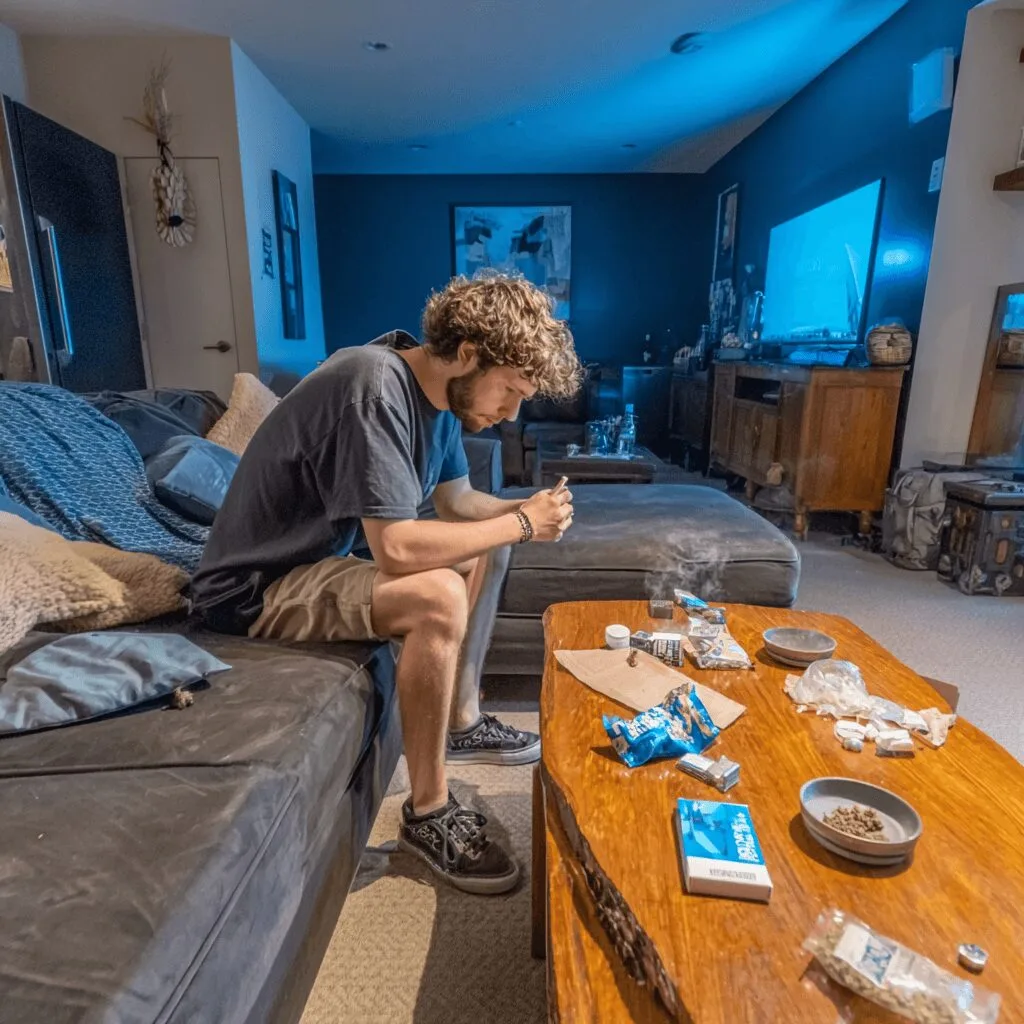
Many cannabis advocates point out that the plant has historically brought people together: from reggae concerts to chill living rooms, lighting up has been social. But for vulnerable or newly isolated people, frequent solo use may reinforce an unhealthy loop. The clinical team at Leafly notes that while some users notice improved mood and social comfort, others see diminished drive to reach out. The social context matters—who you’re around, your baseline mental health, and why you’re using cannabis all play a role in whether social isolation cannabis disorder becomes a risk, and these dynamics are especially visible as law enforcement actions and regulatory debates unfold, such as when crackdowns on illegal cannabis retailers make headlines in different communities. External stressors, like inflation and global news feeds, make solo use even more tempting. That’s why experts recommend open, stigma-free conversations.
There’s humor in how cannabis culture can bring introverts together, virtually or in person. But as advocates, we know responsible use means being honest about these emotional nuances, while staying alert to both the positive and negative implications of shifting cannabis markets. Striking the right balance is a challenge that both the medical and cannabis communities are tackling head-on.
The Road Ahead: Hope, Inclusion, and Smarter Cannabis Conversations
The future of social isolation cannabis disorder rests on smarter education—not fear, not hype. Industry pros and health experts agree: Open, facts-first discussions are already shaping better mental health policies and more holistic harm reduction. With cannabis moving ever deeper into the mainstream, its reputation is evolving from stoner stereotype to nuanced reality. Progressive states like Colorado and California are pioneering community outreach, social lounges, and mental health partnerships to keep use healthy and social, not isolating. Forbes recently reported on new collaborative spaces that reduce stigma and foster genuine connection among users. As society learns from the pandemic’s isolation and cannabis’s complex role, there’s every reason to believe individuals will continue finding both freedom and support in this evolving landscape.
No one needs to face isolation—or social isolation cannabis disorder—alone. By harnessing the best research and the most welcoming cannabis community vibes, the road ahead looks bright, social, and full of positive possibilities.
Originally reported by: pubmed.ncbi.nlm.nih.gov
2 Comments
Pingback: Cannabis Bipolar Disorder Effects: What You Need to Know Now
Pingback: Thanksgiving Cannabis Traditions: The New Cousin Walk Ritual