


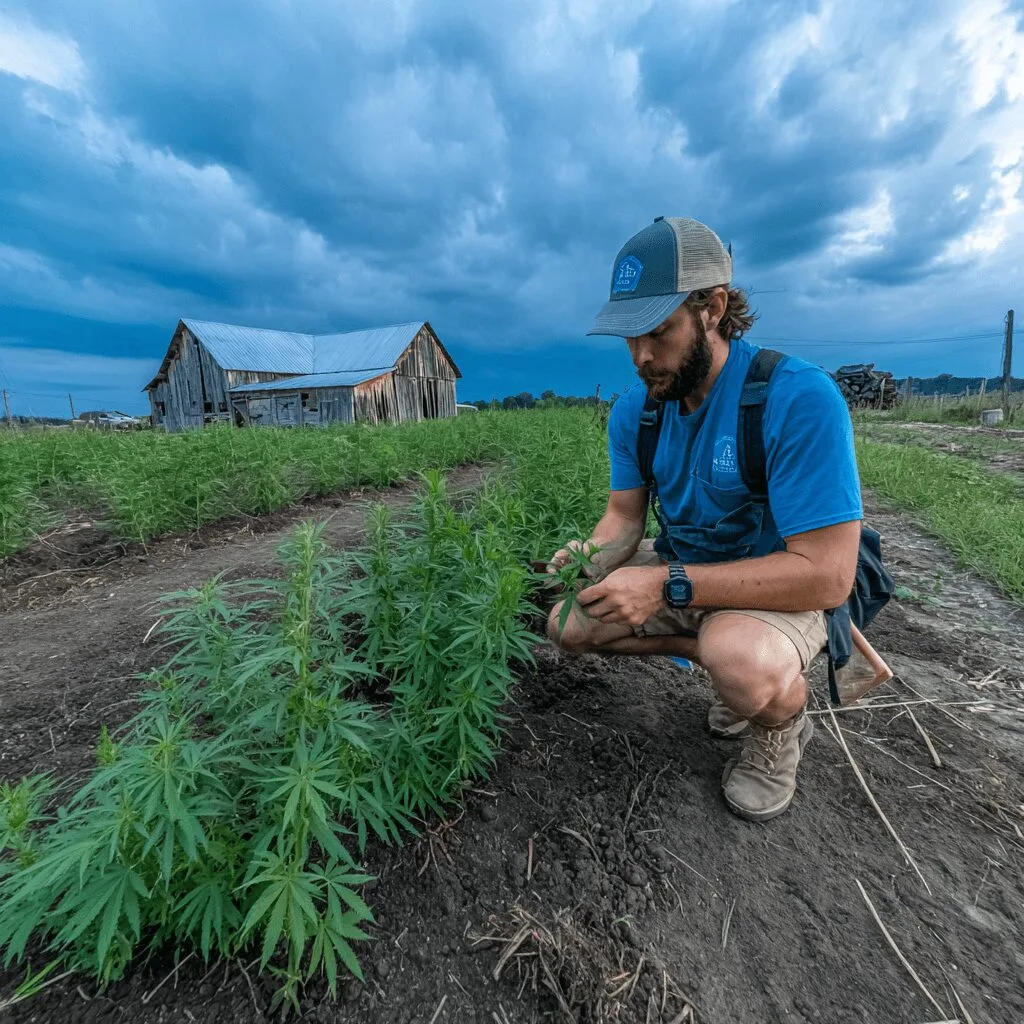
Kentucky hemp THC ban: What it means for local businesses
If you’re tuned into Kentucky’s cannabis scene, you know the Kentucky hemp THC ban is making waves. With new proposals on the table, small businesses and legacy farmers are facing big questions. Could this change squeeze local hemp entrepreneurs out of the market? Here’s what you need to know about the Kentucky hemp THC ban, the community reaction, and what could lie ahead.
Kentucky’s Hemp Roots and Shifting Legal Terrain
Kentucky has a long legacy of hemp cultivation, dating back over a century. The 2018 Farm Bill federally legalized hemp containing less than 0.3% Delta-9 THC, sparking rapid growth for Kentucky hemp producers (USDA). However, the legal status of hemp-derived THC products like Delta-8, Delta-10, and others has become a gray area. The Bluegrass State initially embraced these products as a lifeline for struggling tobacco and new hemp farmers. But as national debate over intoxicating cannabinoids intensified, Kentucky lawmakers have started to eye the market much more cautiously—a phenomenon other states are dealing with as well, as federal hemp THC policies stir national discussion. Socially, there’s tension between traditional cannabis advocates who want wider access and lawmakers wary about unregulated, intoxicating hemp goods, especially regarding youth safety and proper product labeling (LEX18 News). Market-wise, Kentucky’s hemp industry creates jobs, fuels small businesses, and stacks up millions of dollars for the local economy. The current regulatory push comes as several other states tighten or ban similar products to align with federal policy pending future clarification from the FDA (FDA).
Key Developments & Recent Moves on the Kentucky Hemp THC Ban
The Kentucky hemp THC ban heated up in February 2024, when state lawmakers advanced Senate Bill 266. The bill aims to ban the sale, production, and possession of hemp products containing any kind of THC—specifically targeting psychoactive cannabinoids like Delta-8, Delta-10, and even some CBD derivatives with trace Delta-9 content (WDRB News). Along state borders, similar legislative actions in neighboring regions have created contentious zones, fueling debate over marijuana shop bans in border towns and wider legal limbo across the Midwest.
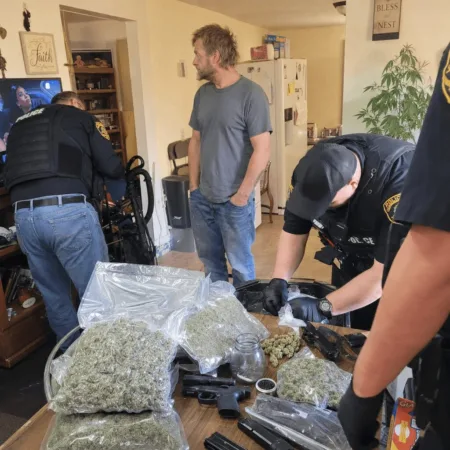
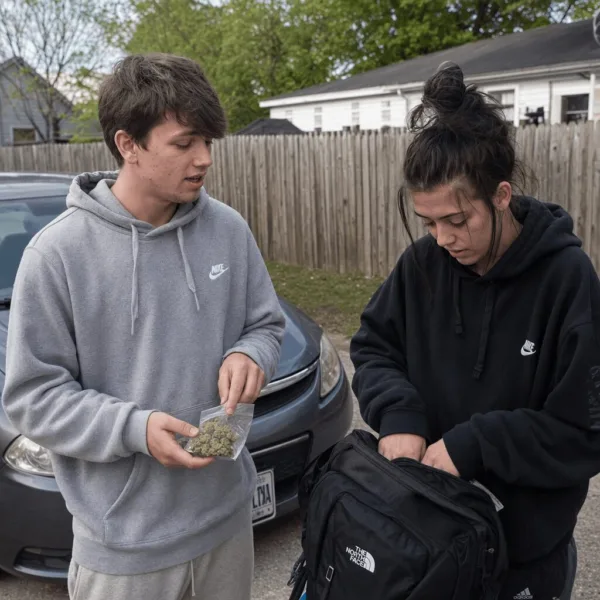
This proposal isn’t just a theoretical play. Companies such as Kentucky Heritage Hemp and Commonwealth Extracts are speaking out, stressing the negative impact on small business. According to the Kentucky Hemp Association, hundreds of jobs and millions in tax revenue are on the line. Lawmakers who support the Kentucky hemp THC ban claim it’s necessary for public health, following reported spikes in youth access and confusion over labeling. The ban would make it illegal for retailers and even consumers to possess these products, with significant penalties attached. Notably, the Kentucky Department of Agriculture, previously soft on enforcement, has shifted tone, siding with lawmakers to tighten the reins on anything resembling “marijuana-like” effects from hemp (Lexington Herald Leader).
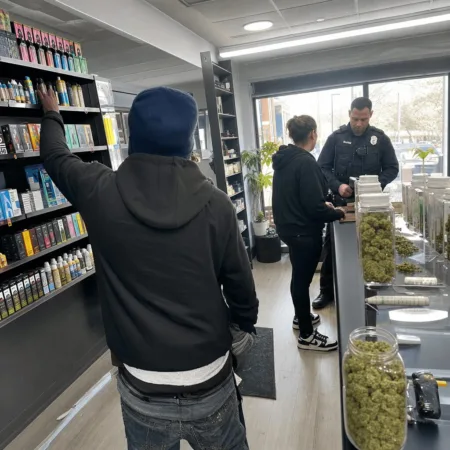
Pushback from the hemp community was immediate. Business owners packed committee hearings at the state capitol, passionately testifying about job losses and the looming threat to industry investment. The Kentucky Senate advanced the bill in late February 2024, sending it to the House for further debate. Meanwhile, hemp shops in Louisville, Lexington, and across rural counties are left in limbo. The legal landscape could change in weeks, leaving both supply chains and livelihoods hanging in the balance.
Expert Analysis & Industry Viewpoints
This Kentucky hemp THC ban hits a weird crossroads for cannabis policy, and the timing couldn’t be more critical. With the broader U.S. hemp industry fighting for legitimacy and regulation, Kentucky’s ban, if passed, could trigger ripple effects nationwide. As Hemp Grower Magazine reports, many states are wrestling with the difference between naturally-occurring cannabinoids versus lab-made versions. Ongoing challenges with enforcement and oversight of youth cannabis use in the U.S. underscore the urgency, including the rise in student vaping THC possession cases.
Mattie Fairchild, co-founder of Kentucky Heritage Hemp, put it bluntly: “If these bills pass, Kentucky isn’t just losing product lines. We’re losing family farms, second jobs, and parts of our rural identity.” (WDRB News).
Analysts agree that while there’s some legitimate concern about unregulated psychoactive cannabinoids, harsh crackdowns ignore the unique position Kentucky holds in the national supply chain. Industry leaders from Hemp Benchmarks confirm that most safety and quality problems come from lack of standardization, not the compounds themselves. Meanwhile, federally-approved programs in states like Colorado show that with strict labeling and third-party testing, these products can remain safe and market-friendly (Colorado Department of Revenue).
Balanced oversight, not blanket bans, could keep Kentucky on top while easing lawmakers’ safety worries. That’s a win-win in any cannabis advocate’s book.
Looking Ahead: Can Kentucky’s Hemp Spirit Prevail?
No one doubts Kentucky’s resilience. Amid the Kentucky hemp THC ban debate, local farmers and business owners are pushing for smarter regulation—not elimination. Legal experts cited by NORML note that cannabis laws are evolving fast, with growing public acceptance nationwide. Even if this ban passes, pressure from constituents, industry groups, and medical advocates will keep the conversation moving. For true believers in hemp’s future, this is a setback, not the end. With ongoing negotiations and potential for common-sense rules, many hope Kentucky can balance safety, entrepreneurship, and its agricultural legacy. As the national cannabis market matures, Kentucky stands poised—if lawmakers listen—to evolve with it. Growers and entrepreneurs statewide will keep innovating, advocating, and serving their communities, determined to weather this regulatory storm and keep Kentucky at the heart of America’s cannabis revival.
Originally reported by: wdrb.com