



Cannabis THC Label Accuracy: What You Need To Know Now
The world of legal cannabis is booming, but with that exciting growth comes greater responsibility to consumers. The accuracy of cannabis THC labels is under the microscope right now, and we’re seeing everyone from stoners to strict regulators asking tough questions. Why is it such a hot topic? Because what’s on the label should match what’s in your stash—plain and simple. A recent study has called out manufacturers for inconsistent labeling. This matters for consumer trust, personal safety, and industry credibility. In this breakdown, we’ll dive into why cannabis THC label accuracy is suddenly making headlines, how it impacts everyone from casual users to medical patients, and what the facts really mean for the future of legal weed.
The Road Here: Legalization, Standards, and Cannabis THC Label Accuracy
The push for cannabis THC label accuracy has its roots in the rapid evolution of state and national cannabis regulations across North America. As legalization efforts have expanded, so have consumer expectations and watchdog scrutiny. From Colorado to California, cannabis is now subject to state-level packaging and potency labeling requirements. According to Marijuana Policy Project, most states enforce some degree of THC potency testing and require labeling to promote transparency. However, industry standards still lag behind pharmaceuticals or the food sector, leading to inevitable inconsistencies. These gaps are compounded by a fragmented marketplace where labs, manufacturers, and retailers don’t always speak the same scientific language. That’s especially significant for communities adjusting to new laws, like in Ohio, where new cannabis legislation is bringing reform and fresh business opportunities. For the growing ranks of medical patients and wellness consumers, accurate THC content isn’t just a selling point, it’s a matter of safety and efficacy. Socially, an informed public demands clarity: if a label says 25% THC, people want, and frankly deserve, 25% THC. It’s about trust, dosage, legality, and, ultimately, consumer empowerment.
Breaking News: Studies, Scandals, and the Real Numbers Behind Cannabis THC Label Accuracy
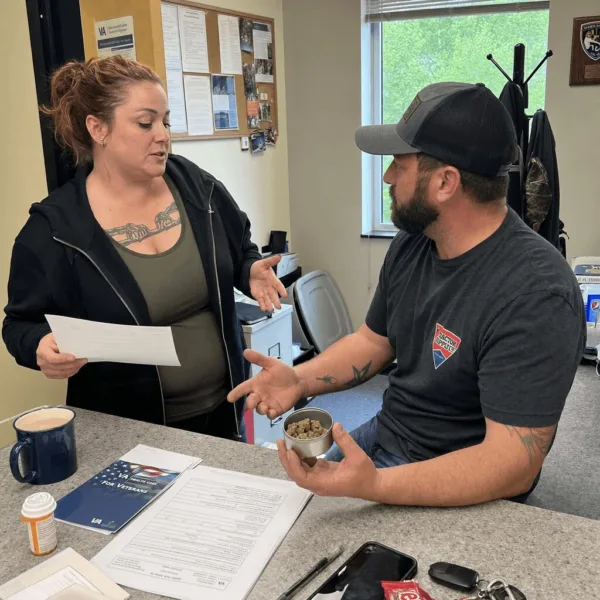
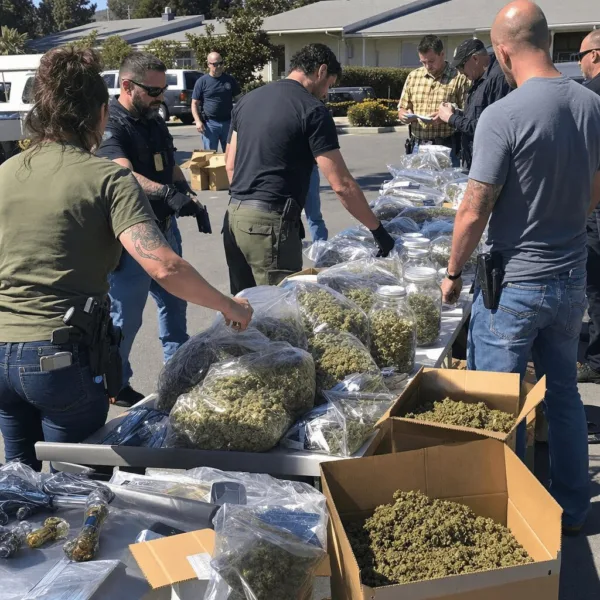
Things got especially real after recent investigative work put cannabis THC label accuracy on blast. According to a widely-cited 2024 BroBible analysis, many legal-market products feature striking discrepancies between labeled THC amounts and lab-tested results. Researchers purchased flower from licensed dispensaries and sent samples to independent labs under rigorous scientific standards. The findings showed that over 50% of products tested had reported THC contents that were inflated compared to what was actually in the container. Some discrepancies were as high as 25% above the true value. Major brands and retailers, including those in high-regulation states like California and Illinois, were implicated. The study points to murky lab standards, varying testing methodologies, and, in a few cases, suspected pressure on labs to deliver buoyant THC results for competitive marketing. Regulators in Illinois noted to The Chicago Tribune that they are stepping up enforcement and increasing random retesting. In other states, the rapid expansion of retail markets is creating unique challenges, with Canada’s evolving cannabis retail scene providing fresh insights and surprising shifts that highlight transparency as a cross-border concern. Consumers and advocates are demanding systemic fixes to restore faith in cannabis THC label accuracy at every shelf.
Expert Analysis: Why THC Label Accuracy Matters and How Cannabis Can Get It Right
It’s easy to see why the issue of cannabis THC label accuracy is so heated. When THC numbers get fudged, it’s more than a technicality—it can mess with your vibe, your wallet, and even your legal standing. According to Leafly’s comprehensive reporting, inaccurate THC labeling undermines consumer trust and risks medical patients’ safety. Longtime industry leaders like Steve DeAngelo have said, “Transparency in potency labeling is the bedrock of legal cannabis legitimacy.” Inaccurate labels could also leave businesses open to legal action or regulatory penalties, increasing risks across the supply chain. As new growers continue to look for ways to ensure responsible and compliant cultivation, many are turning to innovative odor control strategies for cannabis that every grower needs as part of maintaining reputational trust and community relations. But here’s the deal: the cannabis sector isn’t afraid of self-improvement. Many advocates and labs are calling for stricter oversight, uniform testing procedures, and better third-party validation. Those who want to see legal weed thrive know that cannabis THC label accuracy isn’t just another box to check, it’s the heart of credible, responsible cannabis culture. Progress is happening, especially where regulators and trusted labs work hand-in-hand to standardize processes and encourage robust self-policing throughout the industry.
The Road Ahead: Rebuilding Trust and Elevating Cannabis THC Label Accuracy
The path to universal cannabis THC label accuracy isn’t easy. But as legalization continues to sweep the nation—and more countries dive into regulated markets—accuracy is quickly shifting from a nice-to-have to a must-have. As noted in a recent Marijuana Moment feature, the industry is already moving toward more consistent testing protocols and consumer-friendly transparency. Trust in brands and retail shops depends on reliable labels. Regulatory reforms, better science, and community pressure will drive things in the right direction. If there’s one thing stoners, soccer moms, and entrepreneurs alike can agree on, it’s that weed should be what it says on the tin. That shared vision will ensure lasting, sustainable growth for everyone who loves—and lives—this movement. Here’s to a future where every cannabis purchase means honest labeling, proven science, and a safe, elevated experience for all.
Originally reported by: brobible.com


1 Comment
Pingback: THC psilocybin lookalike candy warning: What parents need now