


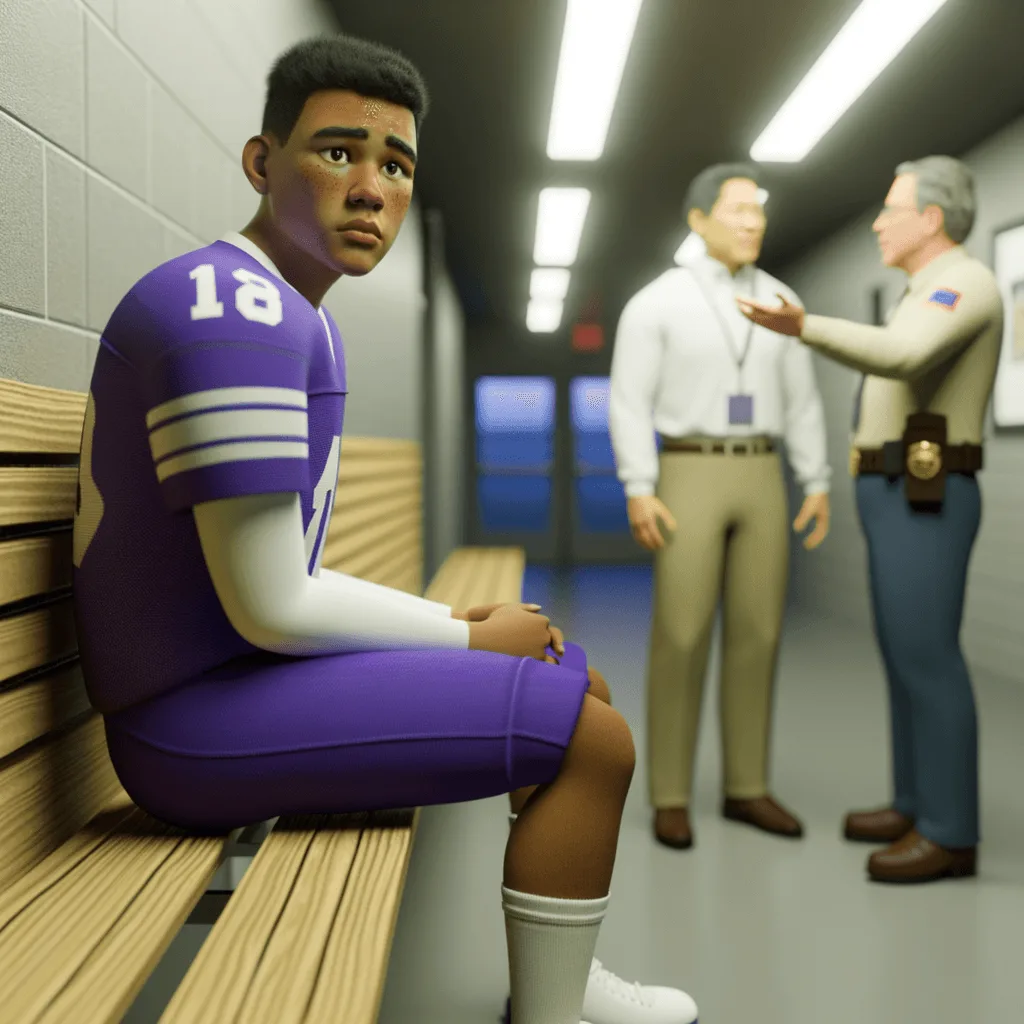
K-State Football Marijuana Arrest: Shocking Team Ejection
The recent k-state football marijuana arrest has turned heads both on and off the field, spotlighting issues that reach far beyond a single team’s roster. As public opinion around cannabis rapidly evolves and athletes are increasingly thrust into the spotlight for off-field choices, this case highlights the tension between old-school sports rules and modern cannabis culture. With the player’s swift ejection, K-State fans, cannabis advocates, and legal experts are all chiming in, asking what’s fair when it comes to pot, policy, and young athletes’ futures. Here’s what you need to know about this headline-grabbing k-state football marijuana arrest, why it matters now, and how it fits into the bigger cannabis conversation.
The Legal and Social Landscape of Cannabis in College Sports
To really get this k-state football marijuana arrest, let’s vibe for a second with the broader cannabis scene. Kansas, the home turf for Kansas State University, is famously strict when it comes to marijuana laws. While 24 states have now legalized recreational use, marking a historic shift and sparking a thriving, regulated industry (see NORML), Kansas remains firmly in prohibition’s grip. Even minor possession can mean a misdemeanor charge, a far cry from what’s happening in places like Colorado or California. The risk of running afoul of harsh statutes is a recurring theme for college athletes, and recent developments, such as new questions about enforcement in Baxter Springs during an illegal marijuana sales investigation, highlight how these dynamics continue to spark debate throughout the state and the industry as a whole.
At the same time, the NCAA continues to treat marijuana use as a major infraction, setting tough thresholds and penalties that reflect outdated views, even as public support surges past 60% for legalization according to a 2023 Pew Research survey. This clash, between stodgy institutional rules and evolving societal norms, creates a high-stakes balancing act for college athletes, their schools, and the broader community watching these developments unfold.
K-State Football Marijuana Arrest: What Happened and Why It Matters
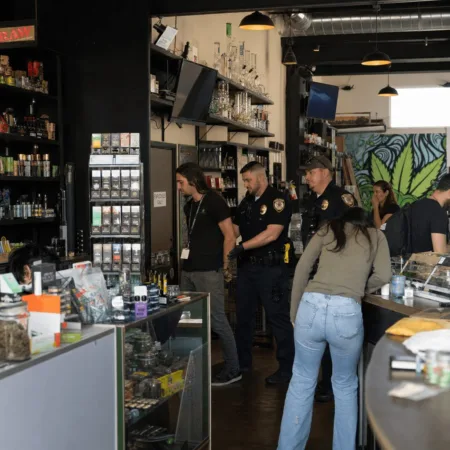
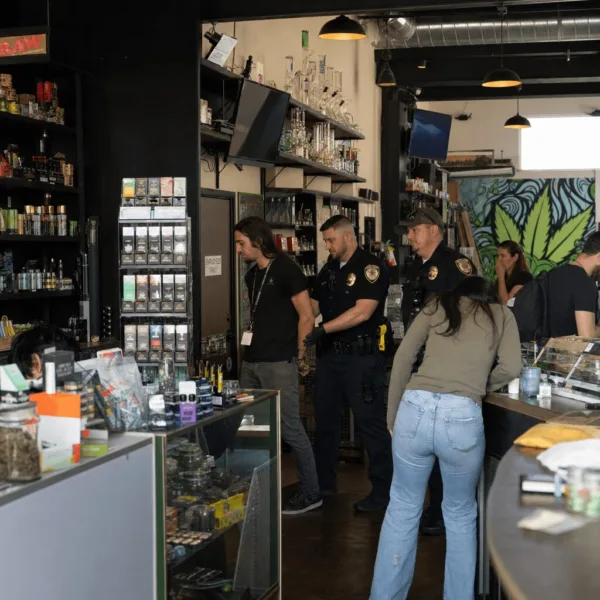
According to KSNT News, a K-State football player was arrested and promptly ejected from the Wildcats team following a marijuana-related incident. The arrest occurred late last week, setting social media and college sports circles abuzz with heated debate. School officials confirmed the player’s removal, underscoring that K-State holds zero tolerance for violations of its substance policy. The incident comes during spring training, just as players and coaches were gearing up for a new season and some serious on-field ambition. The pressures student athletes feel amid strict regulations aren’t unique to Kansas, especially as shifting state laws, like the recent changes in Texas and their impact on THC-related legislation, push lawmakers and universities to reassess their policies and enforcement measures across college sports.
The university responded quickly, stating in a press release that team culture and public trust remain primary concerns. The legal details involve a misdemeanor charge for marijuana possession, and while officials did not specify the exact quantity, Kansas law is notoriously unforgiving. The Wildcats’ head coach emphasized in follow-up statements that decisions regarding player discipline always prioritize the program’s reputation and the values set by the NCAA (NCAA Official Drug Testing Policy). This specific k-state football marijuana arrest lands at a moment when similar cannabis-related incidents are trending nationwide in college sports, sparking widespread dialogue on fairness, reform, and second chances.
Expert Insights: Rethinking Cannabis Standards in the Age of Reform
The k-state football marijuana arrest exposes a major conflict: traditional athletics policies versus the real-world momentum behind cannabis normalization. As MJBizDaily points out, the regulated cannabis industry is projected to top $33.6 billion in U.S. sales this year. That’s not just about profit, it’s about a changing attitude in law, healthcare, and personal rights. So why is a college athlete’s minor infraction still career-ending in some states? Recent shifts in consumer trends, as seen in emerging THC product sales rankings, underscore just how far cannabis acceptance has come—even as policy lags behind.
Dr. Amanda Reiman, policy lead at the Drug Policy Alliance, frames it this way: “Punishing athletes for testing positive for cannabis in prohibition states ignores both the data on its relative safety and the reality that national attitudes are shifting. It’s time for the sports world to catch up.”
Industry experts agree that policies must reflect modern realities, not outdated stigma. While NCAA regulations are slowly softening (NCAA Raising THC Thresholds), Kansas stands out for its resistance to reform, which can feel almost punitive for young athletes navigating complicated choices. The k-state football marijuana arrest could act as a lightning rod, drawing broader attention to the urgent need for sports and legal systems to evolve alongside the cannabis industry’s mainstream acceptance.
Looking Ahead: Reform, Redemption, and the New Normal
The k-state football marijuana arrest is bigger than a single headline—it’s a microcosm of a society in motion. As regulatory trends bend toward common-sense reforms and sports leagues consider how to better integrate evolving social norms, stories like this can actually drive progress. According to Leafly’s 2024 legislative roundup, several more states are on the cusp of legalization, and even the NCAA is discussing rules that will focus more on athlete well-being than outdated discipline.
For the Wildcats, this incident stings—but for the cannabis community, it represents hope. When we put knowledge, empathy, and realistic standards at the center of our policies, everybody wins. The k-state football marijuana arrest might be a low point for one player, but it’s a conversation starter for a nation ready to rethink its playbook.
Originally reported by: ksnt.com