

CBD House of Healing Raid: What Really Happened?
Right now, the CBD House of Healing raid is making major waves across Texas—and not just among the usual suspects in the cannabis crowd. The growing CBD and hemp market has moved from niche backrooms to Main Street, but law enforcement crackdowns are keeping the legal cannabis business on its toes. With CBD shops booming, changing attitudes, and evolving state laws, any raid like this grabs headlines, creates tension, and sparks deep questions about where things are headed. Let’s break down the real story, why it matters, and what this raid means for everyone from small business owners to everyday consumers.
Setting the Stage: Laws, Markets, and the Battle Over CBD in Texas
The CBD House of Healing raid comes at a time when Texas cannabis laws are still in a wild transition. CBD products, derived from industrial hemp, are federally legal under the 2018 Farm Bill. But state interpretation remains a messy patchwork. According to Texas Tribune’s regulatory overview, while low-THC CBD is legal, local enforcers are left to decide what counts as ‘hemp’ or ‘marijuana’. Shops walk a razor-thin line, balancing consumer demand with uncertain, often outdated legal norms. Socially, more Texans are embracing CBD for wellness, but legal language lags behind, turning business owners into accidental lawbreakers. Add ongoing pressure from law enforcement, often motivated by confusion or caution, and you’ve got a recipe for high-profile drama. Industry reports from MJBizDaily highlight these regulatory uncertainties as a key threat to Texas’ hemp and CBD potential. Recent developments around the statewide THC ban news illustrate just how rapidly the legal landscape can shift, keeping both businesses and consumers on edge.
The Raid Unpacked: What Happened at CBD House of Healing?
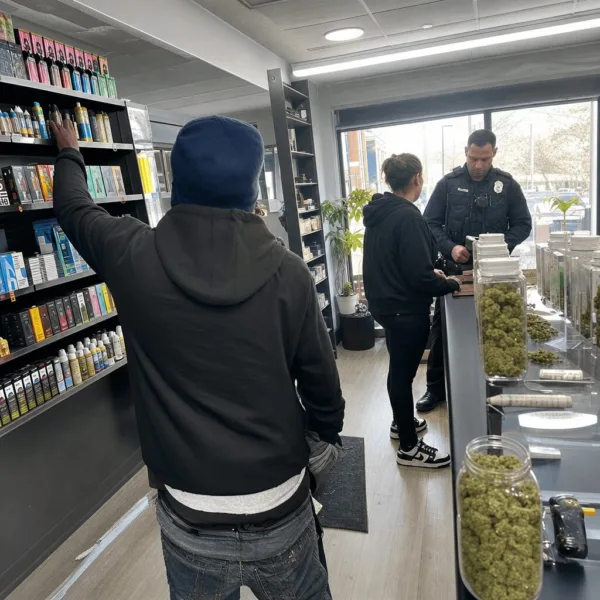
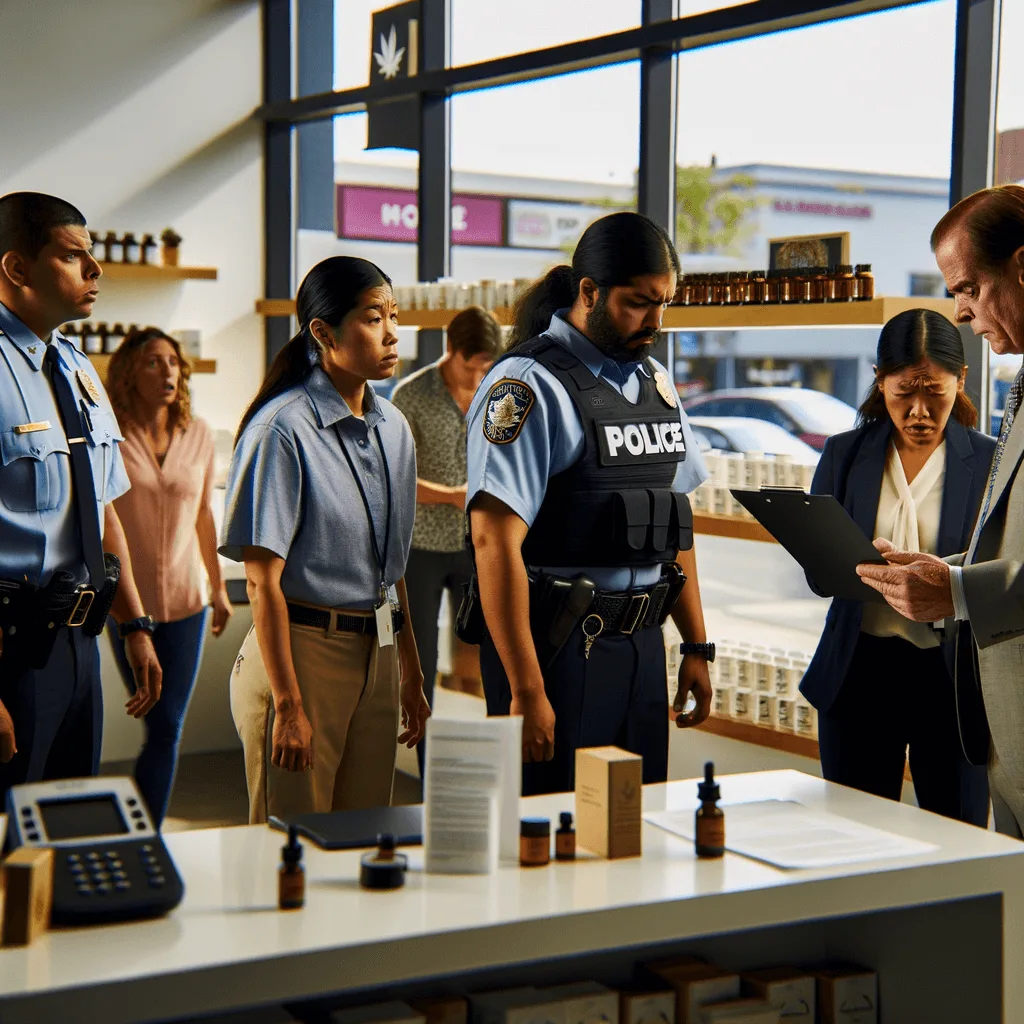
On that tense day in early June 2024, Abilene police executed a search and seizure at the CBD House of Healing, a well-established local CBD retailer and wellness boutique. Law enforcement removed products, files, and even cash, leaving employees and customers stunned. The official line from Abilene Police Department, as reported by Big Country Homepage, was that products allegedly exceeded the legal THC limit. However, CBD House of Healing’s attorney has insisted their products comply with Texas’ hemp laws, as per accredited lab testing and supplier records. This isn’t just a local squabble: Police actions like this reverberate statewide, creating uncertainty and costing small business owners thousands in legal fees, not to mention lost inventory. Industry watchdogs point out the lack of clear guidance and abrupt enforcement swings as a major stressor for all Texas CBD retailers. The ripple effect is felt well beyond Abilene, as other communities—such as those profiled in recent stories about how local ballot measures can change the future for cannabis dispensaries—are watching closely to see how tightly regulation is enforced, and what that means for consumer choice and business sustainability. Ongoing reporting by Dallas Observer continues to document the immediate steps CBD retailers are taking to safeguard their operations in the face of such unpredictable enforcement.
Insights, Analysis, and Pro-Cannabis Counterpoints
This CBD House of Healing raid is a perfect storm—a shaky law, intense state scrutiny, and a shop trying to do things right. The hard reality? Texas is complicated when it comes to hemp. We see a flood of legal hemp products, but enforcement lacks consistency, so entrepreneurs face whiplash between business opportunity and legal landmines. As NORML, a nationwide cannabis advocacy group, explains: ‘Lack of clear, science-based policy on hemp and cannabis drives unnecessary conflict and inhibits business growth.’ The House of Healing raid is a classic example, where ambiguity in state guidelines leaves room for aggressive policing, even in the face of lab-verified compliance. Legal experts and industry voices alike warn that chasing ‘bad actors’ without clear rubrics risks hurting compliant businesses, stifling innovation, and deterring responsible operators from entering or staying in the market. An editorial in Leafly captured the broader sentiment: ‘Texas retailers aren’t flouting the law, they’re swimming in uncharted waters, seeking clarity, not conflict.’ Even in other states, such as Chicago’s rapidly evolving CBD market, business owners are contending with uncertainty—demonstrating that transparent enforcement and modernized frameworks are crucial for industry growth nationwide. If anything, the wave of support from customers and local advocates proves how deeply CBD is ingrained in Texas communities. When legal frameworks are modernized and enforcement is transparent and consistent, incidents like these will become relics of an awkward past.
What Comes Next? Hope, Reform, and the Resilient Spirit of Cannabis
The CBD House of Healing raid highlights the urgent need for clear, fair, and forward-looking regulation in Texas. But if there’s one thing cannabis culture teaches us, it’s resilience. This isn’t just about one shop—it’s about a growing industry and a shifting social landscape. Consumer support for CBD is surging, with polls from Pew Research showing majority backing for cannabis reform. Policymakers can’t ignore this momentum forever. As more states embrace clarity and common sense, Texans will keep pushing for regulations that are practical, protective, and pro-business. The future? Brighter than ever. Cannabis is here to stay, and—despite setbacks like the CBD House of Healing raid—the movement is only getting stronger, smarter, and more widely accepted.
Originally reported by: bigcountryhomepage.com